
TL;DR

Get garden gear delivered free with Prime
- Fast, free delivery on millions of items
- Prime Video, Amazon Music and more included
- Member-only deals all year
Three bird species—purple martins, barn swallows, and warblers—are confirmed to eat wasps. Experts suggest how homeowners can attract these beneficial birds to control pest populations naturally.
Three bird species—purple martins, barn swallows, and warblers—are confirmed to feed on wasps, providing natural pest control for homeowners seeking eco-friendly solutions. Experts highlight how attracting these birds can reduce wasp populations without chemical interventions, making it a relevant development for backyard pest management.
Recent gardening sources and ornithologists confirm that purple martins, barn swallows, and warblers actively hunt wasps in residential areas. These birds are known for their insectivorous diets, particularly targeting wasps during the warmer months when these pests are most active.
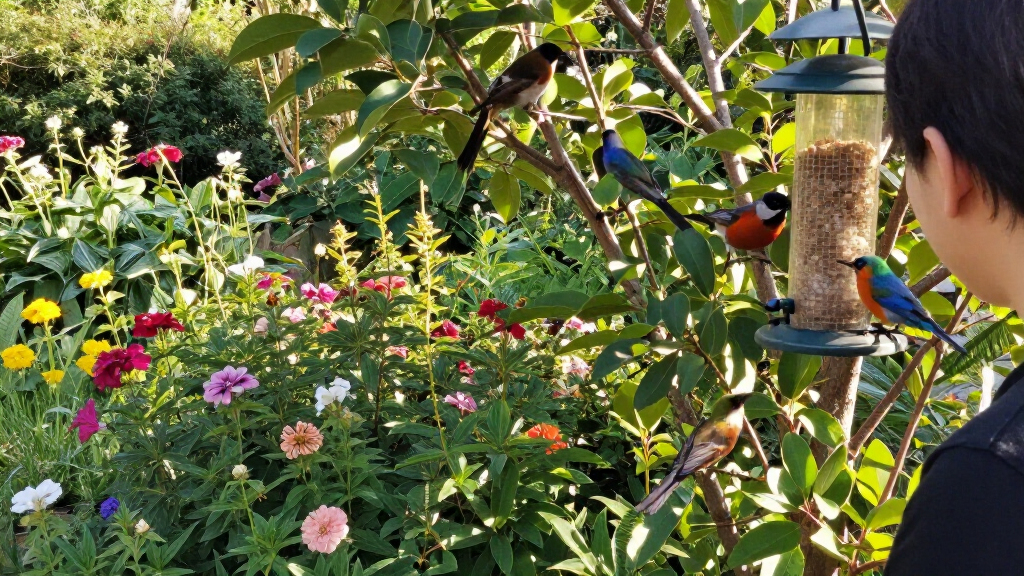
To attract purple martins, homeowners are advised to install specialized martin houses placed at appropriate heights, typically away from human activity. Barn swallows prefer nesting near open structures like barns and garages, and providing suitable nesting sites can encourage their presence. Warblers, which are smaller and more elusive, can be attracted by planting native shrubs and trees that serve as foraging grounds and nesting habitats.
Experts emphasize that encouraging these birds can contribute to a natural balance, reducing the need for chemical pest control methods. However, the effectiveness depends on local bird populations and habitat availability, which varies by region.
Benefits of Using Birds for Natural Wasp Control
Utilizing these bird species for pest management offers an environmentally friendly alternative to chemical insecticides, which can harm other beneficial insects and pollinators. Promoting bird habitats supports biodiversity and can lead to healthier, more balanced ecosystems in residential areas. Additionally, these birds add aesthetic value, enhancing the visual appeal of backyards with their flight displays and songs.
For homeowners dealing with persistent wasp problems, attracting these natural predators can provide ongoing, sustainable control. This approach aligns with broader ecological gardening practices and supports conservation efforts for native bird species.
As an affiliate, we earn on qualifying purchases.
Bird Species Known to Prey on Wasps and Their Habitats
Purple martins are highly social swallows that nest in large colonies, often in artificial gourds or specialized houses. They are among the most effective at controlling flying insects, including wasps, during the summer months. Barn swallows are adaptable, nesting on man-made structures and capturing insects mid-air, including wasps and flies. Warblers, a diverse group of small songbirds, forage in dense shrubs and trees, feeding on a variety of insects, including wasps when available.
Historically, these species have been valued for their pest control abilities, but urbanization and habitat loss have reduced their populations in some areas. Recent initiatives aim to encourage homeowners to provide nesting sites and natural foraging habitats to support these beneficial birds.
Recent studies and bird conservation groups have highlighted the role of backyard habitats in supporting insectivorous birds, especially during peak wasp season from late spring through early fall.
“Purple martins and barn swallows are among the most effective natural predators of wasps, and encouraging them can significantly reduce local wasp populations.”
— Dr. Emily Carter, Ornithologist
As an affiliate, we earn on qualifying purchases.
Effectiveness and Regional Variations in Bird Wasp Control
While these bird species are confirmed to feed on wasps, the extent of their impact on local wasp populations varies based on regional bird densities, habitat availability, and seasonal factors. It is not yet clear how effective attracting these birds will be in areas with low native populations or urban environments with limited nesting sites. Further research is needed to quantify their pest control capabilities across different regions.
As an affiliate, we earn on qualifying purchases.
Guidelines for Homeowners to Attract Wasp-Feeding Birds
Experts recommend specific steps for homeowners interested in encouraging these beneficial birds, including installing appropriate nesting structures, planting native vegetation, and minimizing pesticide use. Ongoing monitoring of bird activity and wasp numbers can help assess the effectiveness of these measures. Conservation groups and local bird associations may offer additional resources or programs to support habitat creation.
Future developments may include region-specific guidelines and increased public awareness campaigns to promote backyard habitats that support insectivorous birds, contributing to integrated pest management strategies.
beneficial insect attracting bird houses
As an affiliate, we earn on qualifying purchases.
As an affiliate, we earn on qualifying purchases.
Key Questions
Which birds are most effective at eating wasps?
Purple martins, barn swallows, and warblers are among the most effective backyard birds that prey on wasps, according to recent ornithological observations.
How can I attract these birds to my yard?
Install nesting boxes suitable for purple martins, provide open structures or perches for barn swallows, and plant native shrubs and trees to attract warblers. Reducing pesticide use also encourages insectivorous birds.
Will attracting these birds eliminate all wasps from my yard?
While these birds can significantly reduce wasp numbers, they are unlikely to eliminate all wasps entirely. They help control pest populations naturally, but complete eradication is unlikely.
Are there any risks to attracting these birds?
Generally, these birds are beneficial and pose minimal risk. However, some species may nest near human activity, so providing appropriate nesting sites and maintaining bird-friendly practices is recommended.
When is the best time to attract these birds for wasp control?
The best time is during late spring through early fall when wasps are most active and birds are actively foraging for insects.
Source: rss
Fall yard work Picks
leaf blowers
As an affiliate, we earn on qualifying purchases.