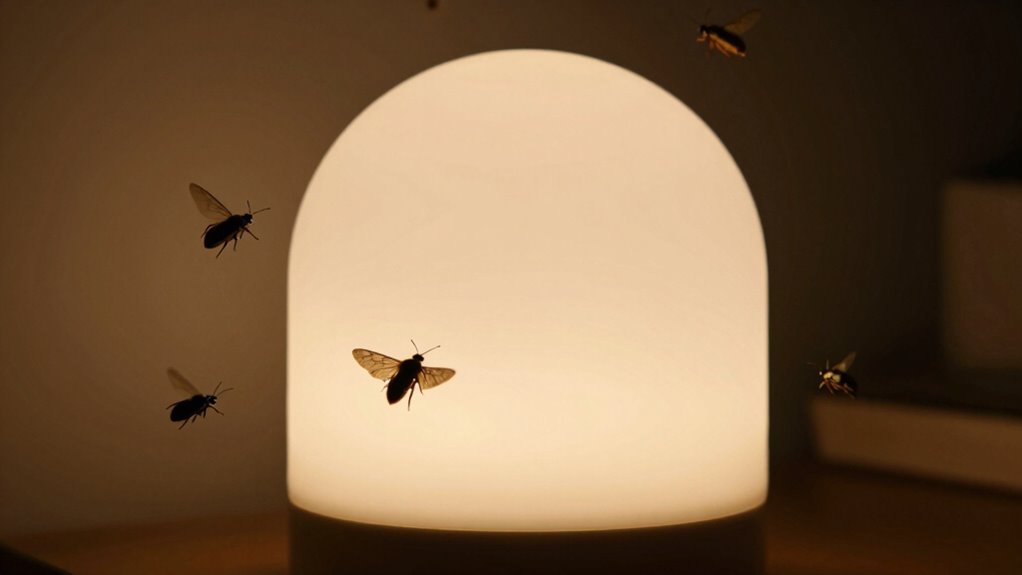
Your night-light habits can seriously disrupt insect activity by confusing their natural navigation systems. Many insects, like moths and beetles, are drawn to artificial lights, which disorient them and cause them to circle or collide with surfaces. This interference affects their migration, reduces pollination, and weakens ecosystems. Over time, widespread light pollution may lead to a decline in insect populations and the animals that depend on them. Keep going to discover how you can help protect these essential creatures.

Get garden gear delivered free with Prime
- Fast, free delivery on millions of items
- Prime Video, Amazon Music and more included
- Member-only deals all year
Key Takeaways
- Bright artificial lights attract and disorient insects, causing them to circle or collide instead of following natural migratory paths.
- Artificial lighting disrupts insects’ navigation, reducing their ability to reach breeding, feeding, or pollination sites.
- Widespread light pollution decreases insect populations, impacting plant pollination and the food chain for predators.
- Night-light habits interfere with insects’ circadian rhythms, affecting their activity timing and ecological roles.
- Increased urban lighting creates a cycle of ecological decline by impairing insect migration and survival.
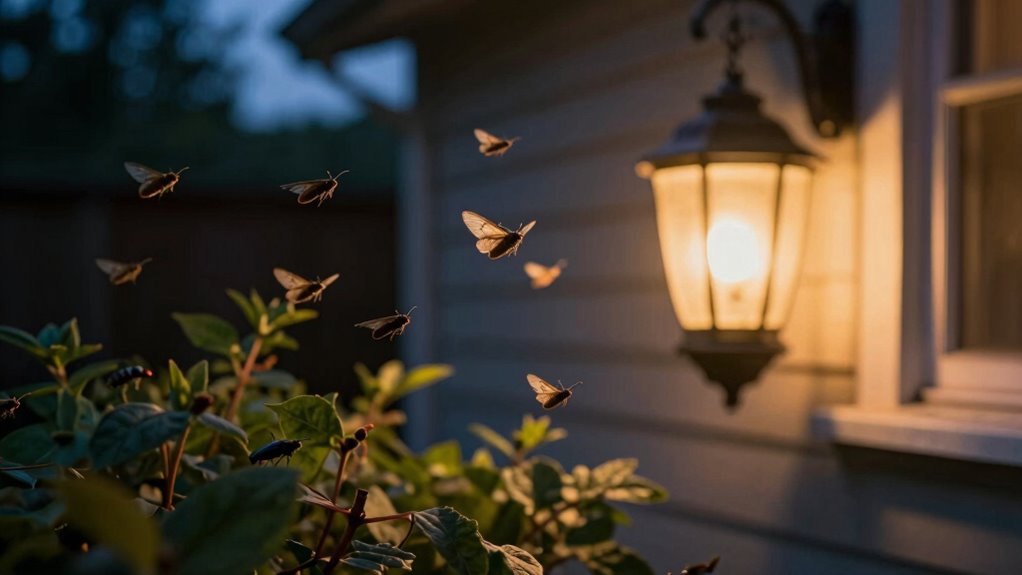
Many insects, especially moths and beetles, are attracted to bright streetlights and building illumination. This attraction isn’t accidental; it’s rooted in their innate behaviors. In natural conditions, insects use celestial cues to navigate at night, moving along specific migration routes that have been established over generations. Artificial lights, however, create a disorienting environment. Instead of following their usual migratory pathways, insects circle around or collide with illuminated surfaces, wasting energy and increasing their vulnerability to predators. This misdirection not only reduces their chances of reaching breeding or feeding grounds but also hampers pollination efforts that depend on insect movement. The widespread use of urban light pollution significantly magnifies these effects, further disrupting insect behavior and migration. Your city’s night-light habits directly influence these patterns. The more pervasive and intense the artificial illumination, the greater the disruption to insect migration. This can lead to fewer insects reaching their destinations, which cascades into broader ecological consequences. For example, plants that rely on insect pollination may see decreased reproduction, affecting entire plant communities. Similarly, insect predators and other animals that depend on insects for food find their resources dwindling. Over time, urban light pollution exacerbates these issues, creating a cycle of decline that’s difficult to reverse, especially when considering the ecological impact of disrupted insect populations. Additionally, artificial lighting can interfere with insects’ natural circadian rhythms, further impairing their behavior and survival. Furthermore, research shows that light pollution can influence the timing of insect activity, leading to mismatches in ecological interactions.
As an affiliate, we earn on qualifying purchases.
Frequently Asked Questions
How Does Artificial Light Affect Nocturnal Insect Migration?
Artificial light causes light pollution, which considerably disrupts nocturnal insect migration. When you turn on outdoor lights at night, you attract insects away from their natural routes, confusing and disorienting them. This migration disruption affects their ability to find food and reproduce, ultimately impacting ecosystems. By reducing unnecessary lighting, you help preserve insect migration patterns, supporting biodiversity and maintaining ecological balance.
Are Certain Insect Species More Vulnerable to Light Pollution?
Certain insect species are more vulnerable to light pollution, especially those with highly sensitive insect sensory systems. Like moths drawn irresistibly to a flame, these insects fall prey to light attraction, disrupting their natural behaviors. Nocturnal pollinators and migratory insects are particularly affected, as artificial lights confuse their navigation, reducing survival chances. You can help by minimizing outdoor lighting, protecting these delicate species from the harmful glow that disrupts their lives.
Can Changing Outdoor Lighting Reduce Insect Mortality Rates?
Yes, changing outdoor lighting can reduce insect mortality rates. Light pollution influences insect behavior by attracting and disorienting them, which often leads to exhaustion or predation. By switching to lower-intensity, yellow or amber lights, you minimize disruption, helping insects navigate more naturally. This simple change supports healthy insect populations, preserves ecosystems, and decreases the negative impacts of light pollution on insect activity and survival.
What Are the Long-Term Ecological Impacts of Night-Light Disruption?
Disrupting natural night-light patterns can threaten ecosystem balance by affecting nocturnal insects and animals. You might unknowingly cause pollination disruption, which impacts plant reproduction and food sources for other species. Over time, these changes can lead to declines in insect populations, disturb food webs, and reduce biodiversity. By minimizing artificial light at night, you help preserve ecological stability and support healthy, functioning ecosystems.
How Can Individuals Minimize Their Impact on Insect Activity?
You can minimize your impact on insect activity by reducing urban glow and light pollution. Turning off outdoor lights when not needed, using motion sensors, and opting for lower-intensity or amber-colored bulbs can greatly help. Did you know that artificial light attracts and disorients up to 30% of insects? By making these simple changes, you protect these essential creatures and help maintain ecological balance.
insect-repellent outdoor lighting
As an affiliate, we earn on qualifying purchases.
As an affiliate, we earn on qualifying purchases.
Conclusion
By keeping your lights on at night, you’re unwittingly throwing a wrench in insect behavior, which can ripple through the entire ecosystem. It’s a classic case of biting off more than you can chew, as your actions might have unintended consequences. If you want to help maintain the natural balance, consider turning off unnecessary lights after dark. Sometimes, the best way to fix a problem is to stop making it worse—less is more when it comes to night-time lighting.
dark sky compliant outdoor lights
As an affiliate, we earn on qualifying purchases.
As an affiliate, we earn on qualifying purchases.
solar-powered insect-friendly lights
As an affiliate, we earn on qualifying purchases.
As an affiliate, we earn on qualifying purchases.
Halloween Picks
halloween
As an affiliate, we earn on qualifying purchases.