TL;DR
In July, hummingbirds are fledging and still nesting, requiring specific support from yard enthusiasts. Experts recommend clustering feeders, maintaining cleanliness, preserving shrubs, planting native blooms, and more. These actions help ensure hummingbird survival during this critical period.
Hummingbirds in July need targeted support as many are fledging from nests and still nesting, making this a critical period for their survival, according to avian experts. This advice is especially relevant for bird enthusiasts aiming to assist these tiny, energetic birds during peak fledging season.
According to Julie Zickerfoose, wildlife artist and bird expert, July is a key month because young hummingbirds are fledging and exploring feeders for the first time. During this period, aggressive behavior from adult males peaks, which can threaten fledglings and less dominant birds.
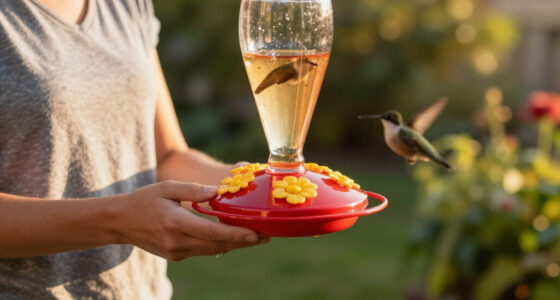
Experts recommend clustering feeders with multiple ports close together to reduce territorial aggression, allowing multiple hummingbirds to feed simultaneously. This setup minimizes fighting and provides safe feeding opportunities for fledglings. Regularly cleaning feeders and not overfilling them are crucial to prevent mold and spoilage, especially in hot summer months, as advised by Julie Zickerfoose.
Additionally, conservation specialists emphasize the importance of preserving shrubbery, which hummingbirds use for nesting and shelter. Avoiding pruning shrubs during July supports nesting sites and offers refuge from heat. Planting native, continuously blooming flowers like firebush, wild bergamot, honeysuckles, and others provides essential nectar sources throughout the season.
Why July Support Is Critical for Hummingbird Survival
This period is vital because fledglings are inexperienced and vulnerable to predators, starvation, and territorial aggression. Proper feeder placement, cleanliness, and habitat support directly impact their chances of survival and successful fledging. Supporting hummingbirds now also helps maintain healthy local ecosystems, as these birds are important pollinators.
hummingbird nectar feeder with multiple ports
As an affiliate, we earn on qualifying purchases.
As an affiliate, we earn on qualifying purchases.
July as a Peak Fledging and Nesting Period
Hummingbirds are known for migrating during spring and fall, but July is a crucial time for their reproductive cycle. Many young birds are leaving nests for the first time, making them especially vulnerable. Previous guidance focused on migration support, but experts now highlight the importance of supporting resident and fledgling hummingbirds during this mid-summer period, as confirmed by recent avian studies and conservation advice.
“Instead of spreading feeders widely, clustering them with multiple ports reduces aggression and helps fledglings access food more safely.”
— Julie Zickerfoose
clustering hummingbird feeders for safety
As an affiliate, we earn on qualifying purchases.
As an affiliate, we earn on qualifying purchases.
Uncertainties About Long-Term Impact of July Support
While these strategies are supported by expert observations, ongoing research is needed to quantify their long-term impact on hummingbird populations. Specific data on fledgling survival rates linked directly to these actions are still emerging.As an affiliate, we earn on qualifying purchases.
Next Steps for Supporting Hummingbirds in Future Seasons
Bird conservation groups plan to monitor the effectiveness of these July support strategies through citizen science programs and ongoing research. Gardeners and bird enthusiasts are encouraged to implement these practices and share observations to help refine best practices for hummingbird support during peak fledging periods.
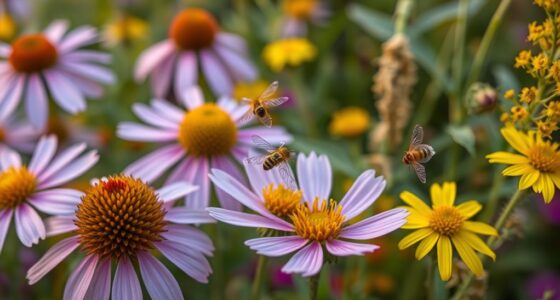
native flowering plants for hummingbirds
As an affiliate, we earn on qualifying purchases.
As an affiliate, we earn on qualifying purchases.
Key Questions
Why should I cluster hummingbird feeders instead of spreading them out?
Clustering feeders with multiple ports reduces territorial aggression among hummingbirds, allowing more birds, including fledglings, to feed safely and peacefully.
How often should I clean my hummingbird feeders in July?
Feeders should be cleaned at least once a week, or more frequently if they are heavily used, to prevent mold and spoilage, especially during hot weather.
What native plants can I add to support hummingbirds in July?
Plant options include firebush, wild bergamot, honeysuckles, orange jewelweed, and cardinal flower, which bloom throughout July and provide vital nectar sources.
Is it safe to leave shrubs unpruned during July?
Yes, avoiding pruning during this period preserves nesting sites and provides shelter for hummingbirds, supporting their breeding success.
What are the risks if I don’t maintain my feeders properly?
Neglecting feeder cleanliness can lead to mold, yeast growth, and sour nectar, which pose health risks to hummingbirds and reduce their food sources.
Source: Homes & Gardens