Avoid common mistakes like skipping soil preparation, overwatering or underwatering, and neglecting routine monitoring. Starting with poor soil can weaken your plants and lead to pests or diseases, so enrich it with organic matter. Keep watering consistent and check soil moisture regularly to prevent stress. Many beginners overlook these basics, but paying attention to foundational practices boosts your chances for a successful garden. Continue exploring to discover how to build a healthier, more resilient garden.

Get garden gear delivered free with Prime
- Fast, free delivery on millions of items
- Prime Video, Amazon Music and more included
- Member-only deals all year
Key Takeaways
- Avoid skipping soil preparation; healthy soil is essential for strong plant growth and nutrient uptake.
- Do not overwater or underwater; maintain consistent soil moisture to prevent root rot and stress.
- Refrain from neglecting routine monitoring; regularly check plants for early signs of problems.
- Don’t ignore plant-specific watering and light needs; tailor care to each plant’s requirements.
- Skip rushing the planting process; proper soil, watering, and patience lead to healthier, more resilient plants.
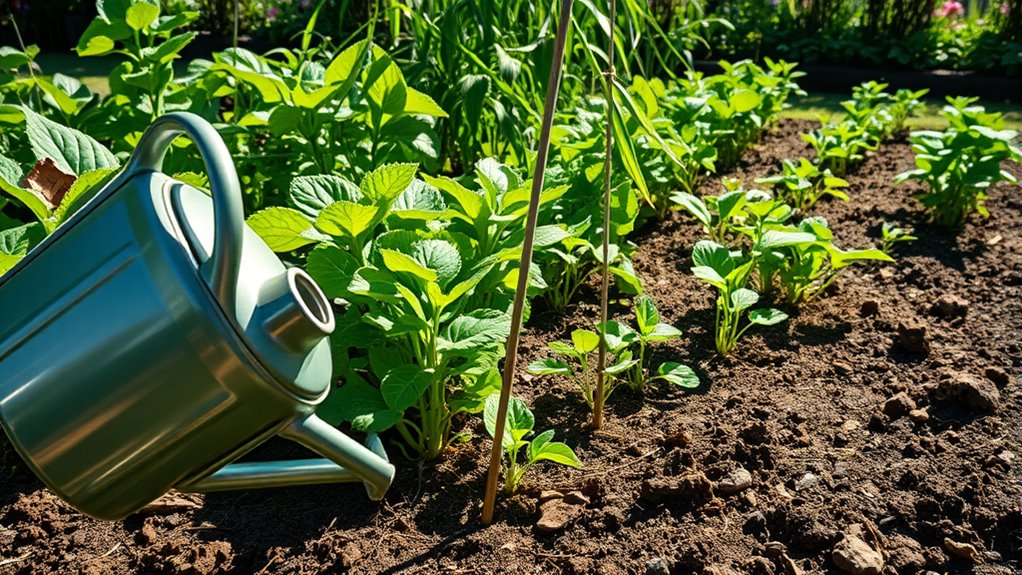
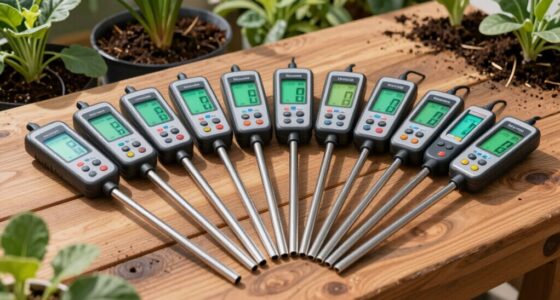
Starting your gardening journey can be exciting, but beginners often make simple mistakes that hinder their success. One of the most common pitfalls involves watering issues. Overwatering can drown your plants, leading to root rot and fungal problems, while underwatering leaves your plants stressed, weak, and prone to disease. It’s important to find the right balance. Check the moisture level of your soil regularly; if it feels damp a couple of inches below the surface, you’re likely watering enough. Use a watering can or hose with a gentle spray to avoid disturbing delicate roots and to guarantee even moisture distribution. Remember, consistency matters more than the frequency—plants generally prefer a steady supply of water rather than sporadic, heavy watering sessions.
Equally important is soil preparation. Many beginners underestimate how vital it is to start with healthy, well-prepared soil. Poor soil quality can stunt plant growth, cause nutrient deficiencies, and make your garden more vulnerable to pests and diseases. Before planting, spend time improving your soil. Remove weeds, rocks, and debris, then work in organic matter like compost or aged manure. This enriches the soil, improves drainage, and creates a more hospitable environment for roots to develop. Proper soil preparation also involves testing the pH level; most vegetables and flowers thrive in slightly acidic to neutral soil (around 6.0 to 7.0). If your soil is too acidic or alkaline, you can amend it accordingly to create ideal conditions.
Many beginners skip these foundational steps, thinking they can compensate later, but this often leads to poor plant health and frustration. When you start with good soil, your plants will establish stronger roots, absorb nutrients more efficiently, and be more resistant to pests. Likewise, paying close attention to watering routines prevents stress and disease, giving your garden a better chance to flourish. It’s tempting to rush into planting, but patience with soil prep and watering habits will pay off in the long run. Establish a routine, monitor your plants regularly, and adjust as needed. This proactive approach helps you develop a healthy garden from the start, avoiding common mistakes that can set you back. With a little effort and awareness, you’ll build a garden that’s both productive and rewarding.
Frequently Asked Questions
What Are Some Signs of Overwatering Plants?
You might notice signs of overwatering when your plants’ leaves turn yellow or wilt despite moist soil. Root rot often develops, causing roots to decay and smell foul. Mold growth on the soil surface is another indicator. If you see these signs, reduce watering immediately, let the soil dry out, and guarantee proper drainage. Overwatering can harm your plants, so monitoring moisture levels is key to healthy growth.
How Can I Prevent Pests Without Using Chemicals?
Did you know that natural pest control and companion planting truly work? To prevent pests without chemicals, you can attract beneficial insects like ladybugs and lacewings, which prey on pests. Plant aromatic herbs like basil or marigolds alongside your vegetables to repel bugs. These methods create a balanced ecosystem, reducing pest problems naturally. With consistent care and strategic planting, you’ll keep your garden healthy and pest-free, chemical-free.
When Is the Best Time to Prune Different Plants?
You should time your pruning based on seasonal pruning guidelines and the plant’s dormancy cycle. For deciduous trees and shrubs, prune during their dormant period in late winter or early spring before new growth begins. Evergreens can be pruned in late winter or early spring too. Always consider each plant’s specific needs; pruning at the right time helps promote healthy growth and prevents damage, ensuring your garden flourishes.
Which Soil Types Are Best for Specific Vegetables?
When choosing soil for your vegetables, consider soil drainage and soil pH. For example, carrots and beets thrive in well-draining, loamy soils with a neutral pH around 6.0-7.0. Tomatoes prefer slightly acidic soil, around pH 6.0-6.8, with good drainage. Adjust soil pH as needed with amendments, and make certain proper drainage to prevent root rot. Tailoring your soil type to each vegetable boosts your garden’s success.
How Do I Choose the Right Plants for My Climate?
Pick plants prudently by prioritizing plant selection that promotes perfect plant performance. To choose the right plants for your climate, consider climate compatibility—think about temperature, rainfall, and sunlight. Research local native plants or consult local gardening guides. You’ll want plants that thrive in your environment, ensuring your garden grows gracefully, with less fuss and more flourish. Proper planning paves the pathway to a prosperous, picturesque plot perfectly suited to your specific climate.
Conclusion
Don’t let dainty doubts disrupt your gardening dreams. By dodging these common mistakes, you’ll develop a dazzling, durable garden. Stay savvy, stay patient, and stay committed to your cultivating craft. Remember, growth takes grit and guts—so give yourself grace as you go. With a little awareness and a lot of effort, you’ll soon enjoy a flourishing, fabulous garden that’s truly yours. Keep cultivating confidence, and watch your green thumb grow!
Fall Picks
fall essentials
As an affiliate, we earn on qualifying purchases.