
TL;DR
A gardening writer’s hands-on test of a Stihl ASA 20 cordless pruner found it could make more than 700 cuts in just over 30 minutes with little effort. The experience suggests powered pruners may help people with heavy pruning workloads or limited grip strength, but cost, weight, charging and safe handling are trade-offs.
A gardening writer who tested the Stihl ASA 20 cordless pruner says it made more than 700 cuts in just over 30 minutes, illustrating how powered tools can speed up repetitive pruning and reduce hand strain. The test is an individual account, not a controlled comparison, and the writer says cordless models cost more, weigh more and require charging than conventional secateurs.

Get garden gear delivered free with Prime
- Fast, free delivery on millions of items
- Prime Video, Amazon Music and more included
- Member-only deals all year
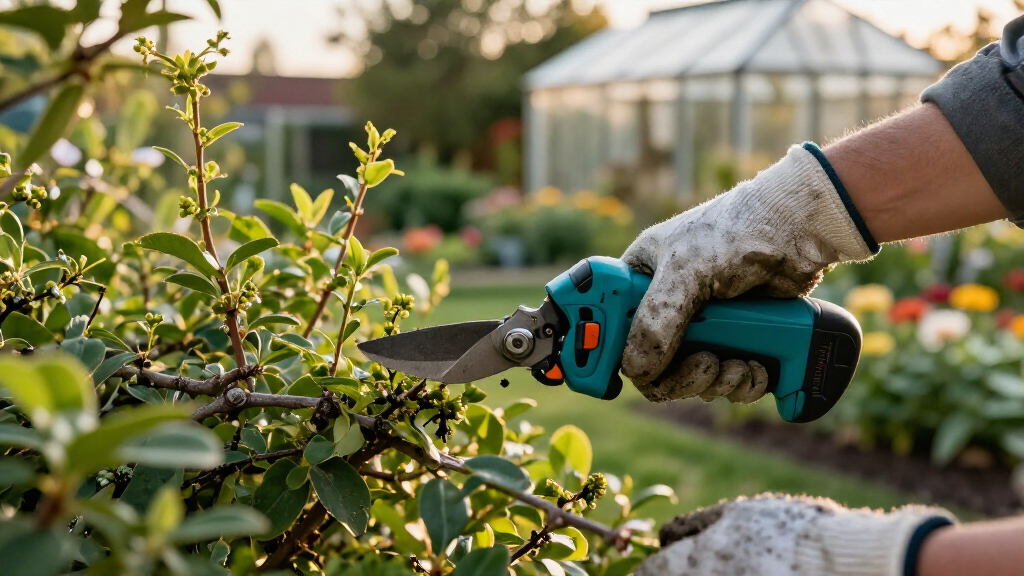
The tester, who says they spent a decade working as a professional gardener and continues to prune at home, used the battery-powered tool to process a large pile of stems. They reported that its motor opened and closed the blades with a trigger press, making the work feel almost effortless compared with repeatedly squeezing manual pruners. The 700-plus cuts are a result from that particular task, not a general performance guarantee.
The writer also reports having finger-joint problems in colder months and says the cordless tool caused no issue during this session. Powered cutting may be useful for gardeners with limited grip strength or joint discomfort, although the source does not provide a medical assessment or evidence that every model will suit every user. The tested pruner had two blade-opening widths, which the writer says can match the opening to thinner or thicker branches and may help conserve battery life.
The trade-offs are practical as well as financial. The writer says the model they used cost the equivalent of more than $200, compared with a cited sale price of $64 for manual Felco F2 pruners. Cordless models are larger and heavier because they contain a motor and battery, must be charged before use, and may run for less time when cutting harder wood or dense shrubs. Battery capacity can also decline over time, and replacement may be needed.
Cordless Pruners: Are They Worth Adding to Your Garden Toolkit?
A hands-on test points to faster, lower-effort pruning for heavy workloads, with cost, weight and charging as key trade-offs.
Who benefits from powered pruning?
Frequent, repetitive cutting is where reduced hand effort may matter most.
Many stems to cut
People tending many roses, fruit trees or shrubs may value faster work and less fatigue.
Less repeated squeezing
A trigger operates the blades. One tester with finger-joint problems reported no issue during the session; this is not medical evidence.
Manual may be practical
For light trimming, conventional secateurs avoid the extra cost, weight and charging.
What changes with a cordless tool?
The motor replaces repeated handle squeezing with a trigger press.
- Powered cutting may speed up repetitive work
- Heavier, larger and more expensive
- Need charging; runtime varies with the material
- Ready to use without charging
- Lower cited price for the Felco F2
- Require repeated hand squeezing
Check before you buy
Match the tool to your workload and the branches you expect to cut.
- Compare cutting capacity, weight and blade-opening settings
- Check whether a battery and charger are included
- Review replacement-battery options and current local pricing
- Try the tool in person if possible
Limits and safe handling
The reported result came from one task, without a controlled comparison or exact battery-runtime measurement.
Who Benefits From Powered Pruning
The main case for cordless pruners is not that every gardener needs one, but that they may reduce the time and repeated hand effort involved in high-volume pruning. People caring for many roses, fruit trees or shrubs may make enough cuts for speed and fatigue reduction to matter. Gardeners whose grip or joints limit how long they can work may also find the trigger-operated mechanism easier than manual squeezing, though the personal test does not establish a clinical benefit.
For occasional jobs, the price and extra weight may outweigh those advantages. A conventional pair needs no charging and can be picked up whenever needed. The decision depends on how much pruning a gardener actually does, what material they cut, and whether the added cost and battery maintenance are justified by their workload.
Products Worth Considering

Blackstone 1814 17-Inch Portable Propane Gas Griddle

Husqvarna Automower 435X AWD Robotic Lawn Mower

Rachio 3 Smart Sprinkler Controller, 16-Zone
As an affiliate, we earn on qualifying purchases.
From Manual Shears to Battery Tools
Pruning tools have developed with lighter materials, sharper blades, more ergonomic designs and cushioning intended to make cutting more comfortable. Cordless pruners add a motorized mechanism: pressing a trigger operates the blades instead of relying entirely on the user to squeeze the handles for each cut.
The source describes the Stihl ASA 20 as the model used in the test and says it is not available in the United States. It also identifies alternatives, including the Worx Nitro WG330, Fanttik Y10 Pro and Craftsman V20, with product specifications supplied by the source. Those listed capacities and battery-cut estimates are manufacturer or product claims in the material, not results independently verified by the writer’s test. A referenced Black Friday discount is time-sensitive, and no sale date or current price is established here.
“I made over 700 cuts in little over 30 minutes when processing a large pile of stems on my allotment.”
— Gardening writer describing the Stihl ASA 20 test
Limits of the Test and Tool
The source offers a single user’s account, without a controlled test comparing cordless and manual pruners on identical branches or reporting the tested tool’s exact battery runtime. It is not clear how the results would vary across different users, branch species, wood hardness or weather conditions. The writer says tougher wood and dense shrubs reduce runtime, but gives no measurements for those conditions.
Product availability, prices and promotional discounts can change, and the source does not establish current prices or whether every model mentioned is available in a reader’s market. Battery lifespan and replacement costs are also unspecified. The tool’s cutting mechanism can cause serious finger injuries if activated accidentally, according to the source; users should consult the manufacturer’s instructions for safe operation.
Choosing a Pruner for Your Workload
Gardeners considering a cordless model can compare its stated cutting capacity, included battery and charger, weight, blade-opening settings and replacement-battery options with the work they expect to do. Checking the maker’s instructions and current local pricing is necessary before buying, since the figures and sale references in the source may no longer apply.
For light, occasional trimming, manual pruners remain a ready-to-use alternative. For frequent, repetitive cutting, a cordless tool may be worth testing in person if possible, especially for someone concerned about hand fatigue. The source provides no further test results or follow-up purchase information, so broader performance and long-term battery durability remain open questions.
Key Questions
Are cordless pruners worth buying?
They may be worthwhile for gardeners who make many repeated cuts or want to reduce hand squeezing. For occasional pruning, their higher cost, added weight and charging needs may make manual pruners the more practical choice.
How many cuts did the writer make in the test?
The writer reported making more than 700 cuts in just over 30 minutes while processing a pile of stems. That is one person’s result in a specific task, not a guaranteed rate for other users or materials.
Can cordless pruners help with hand or joint discomfort?
The tester, who reports finger-joint issues in cold weather, said they experienced no issue during their session. A powered trigger replaces repeated manual squeezing, but the account is personal and does not establish a medical benefit for everyone.
What are the main disadvantages?
The source identifies higher cost, greater weight and size, charging requirements, and changing runtime depending on the material being cut. Batteries may lose capacity over time, and the cutting mechanism requires careful handling.
Are cordless pruners safe to use?
The source warns that a light trigger press can activate a powerful blade and cause serious finger injury. Follow the manufacturer’s instructions, keep fingers clear of the cutting head and trigger until ready to cut, and store the tool as directed.
Source: homesandgardens.com