TL;DR
A gardening guide outlines six pre-winter care tasks for Japanese maples: check soil moisture and water before freezing, mulch roots, protect young trees, remove only damaged or diseased branches, stop fertilizing, and insulate potted trees. The advice is general; exact needs depend on local weather, tree age and growing conditions.
A seasonal gardening guide recommends six steps to prepare Japanese maples for winter, including a final watering before the ground freezes, a layer of mulch, and extra protection for young and container-grown trees. The guide says the steps can help reduce risks from cold, drying winds and changing soil moisture, though needs vary by tree and location.

Get garden gear delivered free with Prime
- Fast, free delivery on millions of items
- Prime Video, Amazon Music and more included
- Member-only deals all year
The gardening guide advises checking soil moisture and giving an in-ground tree a deep watering before freezing weather, particularly after a hot or dry summer. It says a dormant, leafless tree generally needs little water; during winter, water only after several weeks without precipitation if the ground is very dry. For trees that retain leaves late into autumn, the guide recommends continued watering when the soil dries.
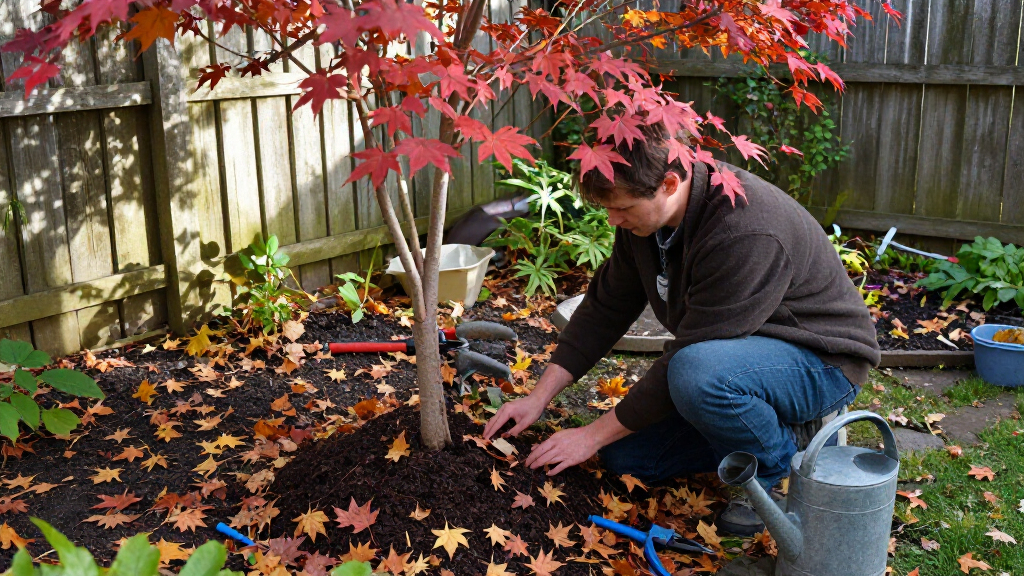
The guide recommends spreading up to 4 inches (10 centimetres) of organic mulch across the root zone to moderate soil conditions and help protect roots. It cautions against letting mulch touch the trunk, where trapped moisture can contribute to rot. For young trees, especially those planted within the past three years, or trees in particularly cold locations, it suggests loosely wrapping vulnerable trunks or branches in burlap to reduce exposure to drying winds.
The guide’s other recommended steps are to remove broken or diseased branches while avoiding routine pruning during dormancy; stop fertilizing in late autumn so new growth is not encouraged before freezing weather; and insulate pots, raise them off cold ground, and group them near a sheltered wall. For severe conditions, it suggests moving container trees to a sheltered porch or an unheated garage.
Prepare your maple before winter
Six late-autumn care tasks can help protect roots, branches and potted trees. Adjust them to your tree and local conditions.
Protect roots and soil
Prepare before the ground freezes, and keep mulch clear of the trunk.
Water deeply before freezing weather if the root zone is dry, especially after a hot or dry summer.
Spread organic mulch over the root zone, without piling it against the trunk.
Reduce cold and wind exposure
Young trees and container roots can need more protection.
- Loosely wrap vulnerable trunks or branches in burlap.
- Give extra attention to recently planted trees and cold locations.
- Insulate pots and raise them off cold ground.
- Group them near a sheltered wall; severe conditions may call for a porch or unheated garage.
Keep late-season care simple
Avoid actions that can leave the tree more vulnerable before freezing weather.
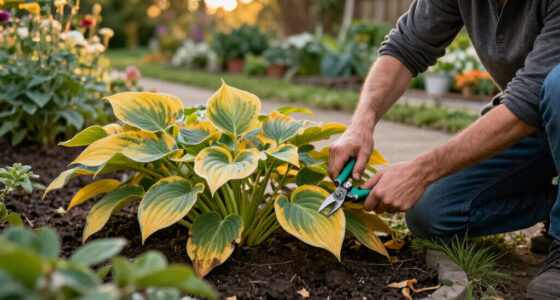
Remove only damaged branches
Cut out broken or diseased branches if needed; leave routine shaping until an appropriate pruning period.
Stop fertilizing
Late-autumn fertilizer can encourage tender new growth before frost.
Adjust care through winter
Water needs depend on dormancy, leaf retention, precipitation and soil dryness.
- For a dormant, leafless tree, water only after several weeks without precipitation if the ground is very dry.
- If leaves remain late into autumn, check soil moisture and water when it dries.
- Late leaf drop can be normal, particularly after a mild autumn.
Protecting Roots and New Growth
The gardening guide notes that Japanese maples may tolerate cold in suitable climates, but hardiness alone does not prevent winter injury. Roots in pots are more exposed to cold than roots insulated by garden soil, and young trees may be more vulnerable to drying winds. It recommends preparing trees before the ground freezes to reduce exposure to these stresses.
The guide also cautions against practices that may create problems. It says excess fertilizer late in the season can prompt tender growth susceptible to frost, while mulch piled against the trunk can hold moisture against the bark. Its recommendations are targeted measures, not a guarantee against damage.
Products Worth Considering

Orbit B-hyve XR 16-Zone Indoor/Outdoor Smart Sprinkler Controller

Solo Stove Pi Prime Portable Propane Pizza Oven

Husqvarna Automower 410iQ Wire-Free Robotic Lawn Mower
As an affiliate, we earn on qualifying purchases.
Seasonal Care Before Dormancy
The source gardening guide identifies Japanese maple as Acer palmatum, an ornamental tree valued for its branching form and autumn foliage. It says many varieties are hardy to USDA zones 4 or 5, while emphasizing that hardiness varies and does not eliminate risks from wind, cold and inconsistent soil moisture.
The guide presents the tasks as late-autumn preparations, noting that they do not apply equally to every tree: a mature maple planted in the ground may need less protection than a recently planted specimen or one growing in a container. It also says late leaf drop can be normal, particularly after a mild autumn, and may continue into December.
Care Depends on Local Conditions
The source is a general gardening guide, not a report based on a named research study or a specific winter forecast. It does not identify the maple variety, local climate, soil type or current condition of any particular tree, so its recommendations should not be treated as a one-size-fits-all prescription.
The supplied material does not establish how severe the coming winter will be or whether an individual tree will need shelter. The guide says late leaf retention can follow a mild autumn, but it does not give a date by which leaves should fall for every region or cultivar.
Check Trees as Weather Changes
Gardeners can use the source guide’s steps as a late-autumn checklist, adjusting watering and protection to local conditions. Before the ground freezes, check whether the root zone is dry, apply mulch without touching the trunk, and assess young trees and pots for wind or cold exposure.
During winter, the guide advises monitoring prolonged dry spells and watering only when the soil is dry and conditions allow. Check for broken or diseased branches, but leave routine shaping until an appropriate pruning period. As spring approaches, reassess the tree’s condition before deciding whether it needs fertilizer, and follow any product label directions.
Key Questions
Should I water a Japanese maple before winter?
The gardening guide recommends watering before the ground freezes, especially after a dry or hot summer. Once the tree is dormant, it advises watering during winter only if there has been little or no precipitation for several weeks and the soil is very dry.
How much mulch should I use?
The guide recommends up to 4 inches (10 centimetres) of organic mulch over the root zone. Keep it away from the trunk rather than piling it against the bark.
Should I prune my Japanese maple in late autumn?
The guide recommends removing broken or diseased branches if needed, but avoiding routine pruning during dormancy. It says late-season pruning cuts may be vulnerable to frost damage and disease.
What should I do with a potted Japanese maple?
The guide recommends insulating the pot with burlap or another suitable material, raising it off the ground to support drainage, and placing it in a sheltered spot. In severe winter conditions, it suggests a sheltered porch or an unheated garage.
Is it a problem if my maple still has leaves in November?
Not necessarily. The guide says Japanese maples may drop leaves later than some other deciduous trees, particularly after a mild autumn. While leaves remain, check soil moisture and water when the soil is dry.
Source: gardeningknowhow.com