
TL;DR
A poinsettia’s chances of staying attractive through the holidays depend in part on its condition at purchase and how it is transported. Look for compact growth, fresh bracts, green leaves, firm roots and slightly damp compost; keep the plant warm and protected from drafts on the way home.
Shoppers choosing a poinsettia for Christmas should check its leaves, bracts, roots and compost before buying, and protect it from cold during the journey home, according to seasonal plant-care guidance. The advice matters because cold exposure, drafts and sudden temperature changes can lead to leaf drop, leaving a plant that looked healthy in the store in poor condition at home.

Get garden gear delivered free with Prime
- Fast, free delivery on millions of items
- Prime Video, Amazon Music and more included
- Member-only deals all year
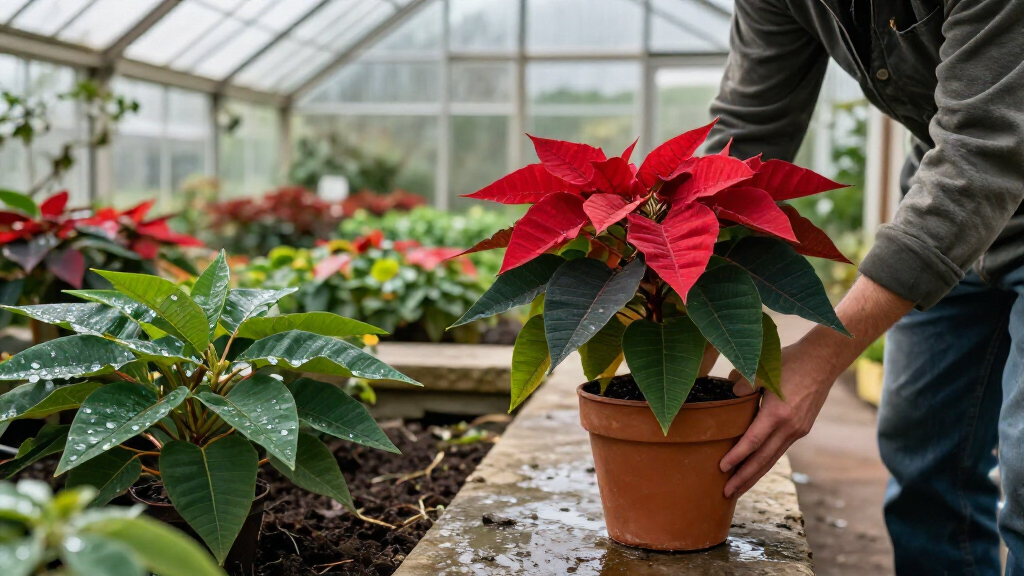
Start with the plant’s overall appearance. Look for bright, fresh-colored bracts—the leaf-like parts commonly mistaken for flowers—along with sturdy stems and green leaves. The small yellow flowers in the center should be closed or only beginning to open. A compact, bushy plant is preferable to one with straggly or leggy growth, which may indicate it has not received enough light.
Check below the foliage as well as above it. Roots emerging from the drainage holes can indicate that the plant is pot-bound, so it may be better to choose another. A small number of visible roots is not necessarily a problem, but they should feel firm rather than soggy or mushy. The compost should be slightly damp—not soaked or completely dry—and the plant should be checked for insects, including on the undersides of its leaves.
Where a plant has been kept can matter as much as how it looks. Poinsettias are tropical plants, and the guidance advises avoiding stock displayed outdoors, on cold shelves or beside doors that open frequently. Choose a retailer where the plants have been kept warm and away from drafts; a store with frequent turnover may also have fresher stock. Before leaving, wrap the plant in paper or a plant sleeve, place it in a warm part of the car and bring it indoors promptly.
Choose a poinsettia for a brighter Christmas
A healthy start and a warm journey home can help reduce the risk of leaf drop. Check the plant before buying, then keep its conditions steady.
Pick a healthy plant
Look at the foliage, flowers, roots and compost before you buy.
Fresh and sturdy
Choose bright bracts, green leaves and sturdy stems. The small yellow flowers should be closed or just beginning to open.
Compact and bushy
Avoid straggly or leggy growth, which may indicate the plant has not received enough light.
Firm, not soggy
Roots emerging from drainage holes can mean the plant is pot-bound. A few visible roots may be fine, but avoid mushy or soggy roots.
Lightly damp
Choose compost that is slightly damp, not soaked or completely dry, and check under leaves for insects.
Check where it has been kept
Poinsettias are tropical plants, and cold or drafty displays can leave them vulnerable to stress.
- Plants kept warm and away from drafts
- A retailer with frequent stock turnover
- Outdoor or cold-shelf displays
- Plants beside frequently opened doors
Protect it on the journey home
Cold exposure and sudden temperature changes may contribute to leaf drop.
Use paper or a plant sleeve before leaving the store.
Place it in a warm part of the car; do not leave it in a cold vehicle.
Move the wrapped plant inside promptly after the trip.
Set it up for home
Steady conditions support the plant after purchase, though they cannot reverse damage that has already occurred.
- Place it in bright, indirect light.
- Choose a consistently warm spot away from drafts, excessive heat and direct contact with a window.
- Keep compost lightly damp and use a pot with drainage so excess water does not sit around the roots.
- Monitor leaves and bracts for signs of stress or pests.
A Better Start for Holiday Plants
A careful choice can reduce the chances of a poinsettia shedding leaves shortly after it comes home. That is especially relevant during the holiday shopping period, when plants may be exposed to cold air while displayed or carried from a store. Protecting the plant before and during transport helps avoid an abrupt shift from cold conditions to a heated home.
The advice also helps shoppers distinguish between a plant with naturally colorful bracts and one already showing signs of stress. A healthy-looking selection is not a guarantee that the plant will last, but sound foliage, firm roots and suitable moisture give it a better starting point. Care after purchase still matters: poinsettias need bright, indirect light and a consistently warm location, away from drafts.
The guidance says poinsettia bracts commonly retain their color for about four to eight weeks, sometimes into spring. That is a general timeframe, not a promise for every plant; results depend on the plant’s condition and its care after purchase.
Products Worth Considering

Blackstone 1814 17-Inch Portable Propane Gas Griddle

Husqvarna Automower 550 Commercial Robotic Lawn Mower

Greenworks 80V Cordless Brushless Leaf Blower with 2.5 Ah Battery and Charger
As an affiliate, we earn on qualifying purchases.
Why Store Conditions Matter
Poinsettias are native to Mexico and southern Guatemala and have a long history of cultivation in the region. They became associated with Christmas in the United States, where the seasonal market is substantial: the supplied guidance says around 70 million are sold in the run-up to Christmas. That figure is presented without a specific year or a named data source, so it should be treated as a broad seasonal estimate rather than a current-year sales count.
The plant’s tropical origins help explain the emphasis on temperature. A poinsettia that has spent time in a cold, drafty display may appear healthy when selected but can react to the conditions it encounters during transport and at home. Wrapping it for the trip and avoiding a cold car are practical steps recommended to limit that exposure. Once indoors, the guidance suggests a spot with bright, indirect light and temperatures of about 61–70°F (16–21°C), away from drafts and excessive heat.
What Affects a Plant’s Lifespan
The advice does not identify a specific study or provide a named expert’s assessment, so the care recommendations are presented as practical seasonal guidance rather than research findings. It also gives no method for measuring how much cold exposure is likely to cause leaf drop; an individual plant’s response may depend on its condition and its handling before purchase.
The four-to-eight-week bract-color timeframe is a general rule of thumb, and the guidance does not specify the conditions behind that range. Nor does it guarantee that a poinsettia will remain healthy through Christmas or survive until the following year. Retailer practices, the plant’s prior care and the conditions in the home can all affect its outcome.
Care After Bringing It Home
After the journey, place the poinsettia in a warm, draft-free area with bright but indirect light. Avoid leaving it in a cold vehicle, setting it beside a frequently opened exterior door or putting it directly against a window. Keep conditions steady and check the compost so it stays lightly damp rather than waterlogged or dry. A pot with drainage is useful because excess water should not sit around the roots.
Monitor the leaves and bracts over the following days for signs of stress or pests. These steps can support the plant’s condition, but they cannot reverse damage that may have occurred before purchase. The next milestone for shoppers is therefore immediate: inspect the plant at the store, keep it wrapped on the trip home and choose a suitable indoor spot.
Key Questions
What should I look for when choosing a poinsettia?
Choose one with fresh-colored bracts, green leaves, sturdy stems and compact growth. The small yellow flowers should be closed or just starting to open. Check that the roots are firm and the compost is slightly damp.
Should I avoid a poinsettia with roots showing?
A few visible roots may be fine, but roots pushing out through the drainage holes can indicate the plant is pot-bound. Avoid plants with roots that look or feel mushy or soggy.
How should I protect a poinsettia on the way home?
Wrap it gently in paper or a plant sleeve, carry it in a warm part of the car and bring it indoors promptly. Do not leave it in a cold vehicle, as cold exposure and sudden temperature changes may contribute to leaf drop.
Where should I put my poinsettia indoors?
Place it in bright, indirect light in a consistently warm area, away from drafts and excessive heat. The care guidance gives an indoor temperature range of about 61–70°F (16–21°C).
How long will a poinsettia keep its color?
The guidance gives about four to eight weeks as a general timeframe for colorful bracts, sometimes into spring. That is not a guarantee; the plant’s condition and care affect how long it stays attractive.
Source: homesandgardens.com