
TL;DR
Homes & Gardens reports that cleaning windows in November can remove grime that blocks some daylight from reaching indoor plants during shorter winter days. The article presents the practice as one modest way to support plants, not a substitute for moving plants, cleaning leaves or using grow lights when needed.
Homes & Gardens has recommended washing windows in November as a simple part of preparing houseplants for winter, arguing that removing dirt and debris can let more daylight into rooms as days grow shorter. The advice is a seasonal care tip, not a claim that window cleaning alone can prevent weak growth or solve low-light conditions.

Get garden gear delivered free with Prime
- Fast, free delivery on millions of items
- Prime Video, Amazon Music and more included
- Member-only deals all year
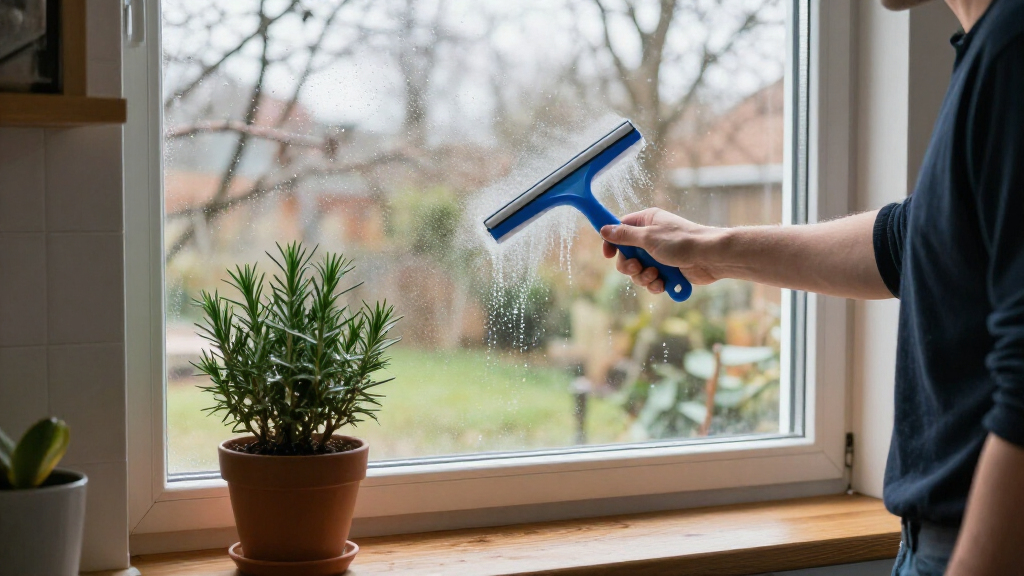
The report’s author says they clean windows each November to improve light exposure for indoor plants. The article explains that fall and winter bring fewer daylight hours, while houseplants still need light for processes such as photosynthesis, even when many grow more slowly in cooler conditions. Dirty glass can further reduce the light reaching plants.
The proposed task includes washing both the inside and outside of windows, where practical. The author says the potential benefit is particularly relevant to larger plants that have a fixed position farther from a window and are difficult to move. The report does not provide measurements of how much additional light cleaning produces or results from a controlled test.
Window washing is only one of several suggestions. The article also recommends moving plants that need brighter conditions closer to windows, wiping dust from leaves, and rotating pots weekly for more even exposure. It says grow lights may be used if needed, while cautioning that harsh winter sun can scorch sensitive plants. It also warns against watering too frequently because soil may take longer to dry in winter, increasing the risk of root rot and fungus gnats.
More Daylight for Winter Plants
For readers caring for plants indoors, the advice points to a low-effort maintenance task that may remove one obstacle to available daylight. It is most relevant where plants rely on natural light through windows, particularly if they cannot easily be repositioned. Any benefit depends on the room, window condition, weather and plant’s light needs; the source gives no quantified estimate.
The report’s qualification matters: washing glass does not lengthen winter days or guarantee that a plant receives enough light. Readers may need to combine cleaning with plant placement or supplemental lighting. Matching light to the plant also matters, since moving every plant into direct sun could damage sensitive leaves.
Products Worth Considering

Orbit B-hyve 12-Zone Smart Indoor/Outdoor Sprinkler Controller

Orbit B-hyve XR 8-Zone Indoor/Outdoor Smart Sprinkler Controller

EGO POWER+ 56V Cordless Leaf Blower Kit with 2.5Ah Battery and Charger, 615 CFM (LB6151)
As an affiliate, we earn on qualifying purchases.
Shorter Days Change Indoor Care
The article frames November cleaning as part of a seasonal adjustment. As daylight hours decrease and temperatures cool, many houseplants slow their growth. Reduced light can contribute to leggy growth—longer, sparse stems—which the report describes as weak and potentially prone to breaking.
Its recommendations cover both the window and the plant: clean glass to reduce grime, and wipe dust from leaves that may block light at the surface. The source also suggests turning plants weekly for more symmetrical growth. These are the author’s care recommendations; the report does not cite a study comparing these practices or quantify their effects.
How Much Light Cleaning Adds
The source does not say how much additional light reaches plants after windows are washed, nor does it identify particular window types, dirt levels or plant species for which the effect is greatest. It offers a personal routine and general care advice rather than measured results. It is also unclear whether washing the outside is practical or safe for every household, especially where windows are difficult to access.
The article does not establish that cleaning windows prevents leggy growth. Light exposure depends on factors beyond glass cleanliness, including the window’s direction, surrounding obstructions, season and the plant’s position. Readers should treat the claimed benefit as a possible contribution, not a guaranteed outcome.
Pair Cleaning With Plant Checks
The report suggests using November window cleaning as a prompt to review each plant’s winter conditions. Check whether plants need a brighter position, clean dusty leaves, and rotate pots if that suits their growth. Watch for signs that a plant is receiving too little light, while avoiding sudden exposure to strong direct sun if the species is sensitive.
Continue checking soil before watering, since the report says it can take longer to dry in winter. If natural light remains inadequate, consider a grow light. The source offers no follow-up results or scheduled update, so the practical effect of the advice will depend on individual homes and plants.
Key Questions
Why does the report recommend washing windows in November?
It says removing dirt and debris can let more daylight reach houseplants as winter days become shorter. The article describes this as one part of seasonal care, not a standalone fix.
Should I wash both sides of the windows?
The report recommends cleaning the inside and outside for the full potential benefit, where practical. It does not provide safety guidance for accessing hard-to-reach exterior windows.
Will clean windows stop my plants becoming leggy?
That is not established by the source. The report says cleaner glass may improve light exposure, but it also states that window washing alone will not drastically improve light levels.
What other winter steps does the article suggest?
It recommends moving suitable plants nearer bright windows, cleaning dust from leaves, rotating plants weekly and using grow lights if needed. It also warns against overwatering and harsh direct sun for sensitive plants.
Source: homesandgardens.com