TL;DR

Get garden gear delivered free with Prime
- Fast, free delivery on millions of items
- Prime Video, Amazon Music and more included
- Member-only deals all year
A Homes & Gardens gardening report recommends October mulch for perennials, shallow-rooted or newly planted shrubs, dormant strawberries in colder climates, and garlic. It advises leaving Mediterranean herbs and succulents without heavy organic mulch because trapped moisture can raise the risk of rot; advice should be adjusted to local conditions.
Homes & Gardens has published October mulching guidance that recommends protecting four groups—perennials, shrubs, strawberries and garlic—while avoiding heavy organic mulch around Mediterranean herbs and succulents. The advice focuses on balancing cold protection and moisture retention, since a layer that insulates roots can also keep crowns and stems too wet.
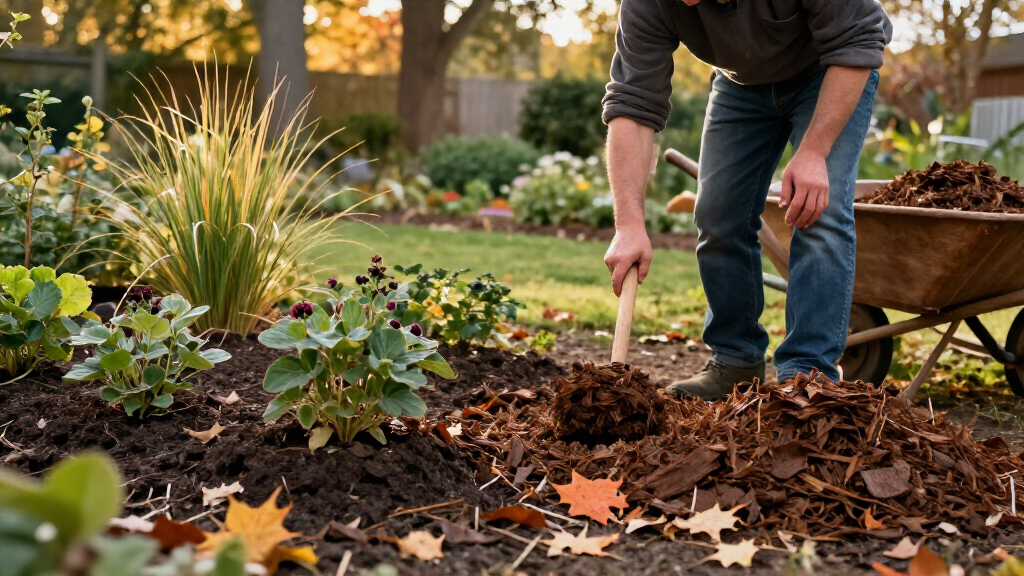
The report recommends a 2- to 3-inch layer of suitable mulch around perennials and shrubs. Mulch can help retain soil moisture and residual warmth, add organic matter as it breaks down, and reduce frost heave—the lifting of plants as soil repeatedly freezes and thaws. Examples of perennials include hostas, coneflowers, daylilies, peonies and coral bells. The report says many perennials can be left standing over winter rather than cut back before mulching, because old stems and seed heads can provide wildlife food and habitat.
For shrubs, the guidance highlights shallow-rooted varieties such as azaleas, hydrangeas, spireas and euonymus, as well as shrubs planted during the current season. It recommends bark or wood chips, while keeping mulch a few inches away from trunks and stems. Wendy Hanson Mazet, a plant diagnostician with University of Nevada, Reno Extension, warns that mulch piled against stems can shelter rodents and give them access to bark and cambium tissue.
In colder areas, including US hardiness zones 6 and below, strawberries can be mulched after they become dormant, shown by reddish, wilting foliage. The report recommends removing dead or diseased leaves and applying a couple of inches of straw without covering the crown. Garlic planted in fall may also benefit from a light layer of straw or chopped leaves, which can moderate temperature swings and help keep bulbs from being pushed out of the soil. Blueberries and currants are also identified as candidates for fall mulch.
Mulch Can Protect Roots—or Trap Moisture
October mulching is a practical way to prepare some garden plants for winter, but the recommendations are not a blanket instruction to cover every bed. Cold protection is useful for vulnerable roots, especially where freezing and thawing can disturb plants. At the same time, excess moisture near crowns and stems can harm plants adapted to dry conditions or create conditions for rot.
The distinction matters for gardeners deciding what to do before winter: plant type, drainage, local climate and whether a plant has gone dormant all affect the choice. The report’s guidance is a seasonal starting point, not a guarantee that every plant in a named group needs the same treatment in every garden.
natural straw mulch for strawberry plants and garlic
As an affiliate, we earn on qualifying purchases.
As an affiliate, we earn on qualifying purchases.
The October Mulching Recommendations
The Homes & Gardens report suggests organic materials such as compost, chopped leaves, bark and pine straw for plants that benefit from mulching. The appropriate material differs by plant: it recommends straw or chopped leaves for garlic, straw for strawberries, and bark or wood chips for shrubs. It also advises keeping mulch clear of plant crowns and stems rather than building it up against them.
For Mediterranean herbs—including sage, lavender, oregano and rosemary—the report advises against heavy organic mulch in fall because these plants prefer dry, well-drained soil. Anna Fialkoff, a horticulturist at the Connecticut College Arboretum, said they can be especially prone to rot when heavy mulch traps moisture and humidity. The report suggests horticultural gravel as a thin surface layer instead. It gives a similar caution for cacti and succulents, which are adapted to drier conditions, particularly during colder months.
“When mulch is piled directly against trunks or stems, it provides both protection and easy access for rodents, which can ultimately lead to the decline or death of the plant.”
— Wendy Hanson Mazet, plant diagnostician with University of Nevada, Reno Extension
hardwood bark mulch for shrubs and perennial garden beds
As an affiliate, we earn on qualifying purchases.
As an affiliate, we earn on qualifying purchases.
Local Conditions Change the Advice
The report does not provide a single schedule or mulch depth that applies to every climate, soil type or garden. Its strawberry advice is specifically tied to colder locations and plant dormancy, while the timing of dormancy and the onset of hard freezes vary by region. It also does not give a detailed, plant-by-plant prescription for all varieties of succulents or Mediterranean herbs.
Gardeners should account for drainage and local growing conditions before applying mulch. The source offers general seasonal guidance rather than evidence from a new trial, and it does not quantify how much protection a particular mulch layer provides. The report’s recommendations should not be read as saying that all plants within a category need identical treatment.
garden mulch straw for winter plant protection
As an affiliate, we earn on qualifying purchases.
As an affiliate, we earn on qualifying purchases.
Check Dormancy Before Mulching
For gardeners following the report, the next step is to identify plants that need winter insulation and wait for the right condition before applying it. Strawberry growers are advised to wait until plants are dormant, remove dead or diseased foliage, and keep straw clear of the crowns. Those mulching perennials or shrubs can use a moderate layer while leaving stems and trunks exposed at the base.
Before temperatures fall, gardeners can also check local frost timing and whether their soil drains well. Dry-loving herbs and succulents should not be surrounded by heavy organic material; a thin layer of horticultural gravel is the report’s suggested alternative for Mediterranean herbs. No further development is specified in the source; the advice remains seasonal guidance for October gardening.
organic chopped leaf mulch for garlic and perennials
As an affiliate, we earn on qualifying purchases.
As an affiliate, we earn on qualifying purchases.
Key Questions
Which plants does the report recommend mulching in October?
It recommends mulch for perennials, shrubs, strawberries and garlic. Blueberries and currant bushes are also described as benefiting from fall mulch.
When should strawberries be mulched?
In colder climates, wait until strawberry plants are dormant, which the report describes as a reddish tint and wilting. Remove dead or diseased foliage, then apply straw without covering the crown.
Why keep mulch away from shrub stems?
Wendy Hanson Mazet of University of Nevada, Reno Extension warns that mulch against trunks or stems can give rodents cover and access to bark and cambium tissue. Leave a gap around the base.
Which plants should not get heavy organic mulch?
The report advises against heavy fall mulch around Mediterranean herbs, cacti and succulents. These plants prefer drier conditions, and trapped moisture can increase rot risk.
How deep should October mulch be?
The report recommends 2 to 3 inches for perennials and shrubs, and a couple of inches of straw for dormant strawberries. It does not give one depth for every plant or garden condition.
Source: rss
Fall Picks
fall essentials
As an affiliate, we earn on qualifying purchases.