TL;DR

Get garden gear delivered free with Prime
- Fast, free delivery on millions of items
- Prime Video, Amazon Music and more included
- Member-only deals all year
A Homes & Gardens report says October is a good time to order bare-root fruit trees, ahead of the usual November-to-March planting window. Popular varieties may sell out, but successful growing depends on choosing trees suited to local climate, space and pollination needs.
Homes & Gardens says gardeners should consider ordering bare-root fruit trees in October, ahead of the usual late-fall-to-early-spring planting window. The advice covers apples, pears, peaches, plums and cherries, whose popular varieties can sell out before planting season; it is gardening guidance, not a report of a new planting rule or a guaranteed harvest.
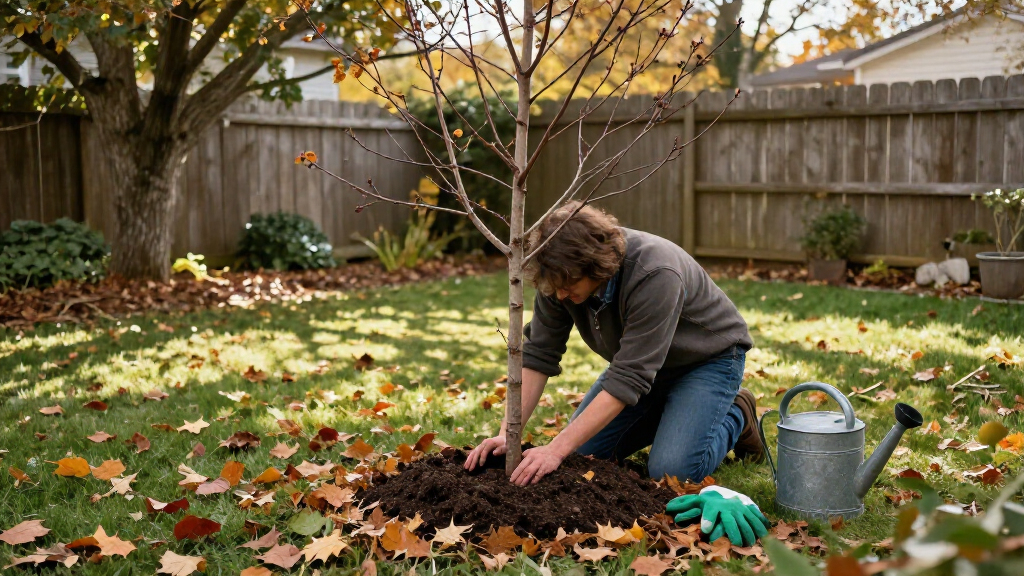
Bare-root trees are generally planted while dormant, from November through March, according to the report. Ordering earlier can give gardeners a better chance of getting their preferred variety. A delivered tree can be planted right away if the ground is neither frozen nor waterlogged, the report says.
The choices include apples for eating, cooking or cider; pears such as Bartlett, Kieffer and Bosc; peaches including Redhaven, Elberta and the colder-climate Reliance; and plums such as Santa Rosa, Methley and Stanley. The report also recommends deciding between sweet and sour cherries based on how the fruit will be used and the available space. These examples are not a complete list, and availability varies by retailer.
Growing requirements differ by fruit and variety, as with fruit trees that thrive on neglect. The report advises planting apples and pears in sunny, sheltered sites with fertile, well-drained soil. Peaches need a warm, bright location with six to eight hours of direct sun daily, and their fruiting depends partly on matching a variety’s chill-hour needs to local conditions. Some pear and plum trees can produce fruit alone, but the report says compatible pollination partners can improve crops.
Planning Before Trees Sell Out
Ordering in October gives home gardeners time to compare varieties before the dormant-season planting period begins. That can matter for trees with specific needs: a peach selected without regard to local winter chill, or a pear planted without a compatible flowering partner, may produce less fruit than expected. Early ordering is a planning advantage, not a promise that a tree will thrive or bear fruit.
Fruit trees are a long-term garden purchase. Their eventual size, sunlight needs, soil conditions and pollination requirements affect whether they fit a particular yard. The report notes that apple trees are often grafted onto rootstocks that influence size, including compact options for smaller gardens. Checking those details before ordering can help gardeners avoid choosing a tree that does not suit their space or climate.
bare root apple tree dwarf rootstock
As an affiliate, we earn on qualifying purchases.
As an affiliate, we earn on qualifying purchases.
The Dormant-Season Planting Window
Bare-root trees are sold without soil around their roots and are typically planted during dormancy. The report places the general planting window between November and March, while describing October as a time to place orders. The appropriate dates can depend on local weather and soil conditions; the source does not give a region-by-region calendar.
The report’s suggested varieties are examples of familiar options, not a claim that every one is right for every garden. It identifies Honeycrisp, Gala and Fuji apples as popular choices, and names Bartlett among commonly grown pears. For plums, it describes Santa Rosa as a dessert variety that can be eaten fresh or used in preserves and puddings. Retailer listings and stock may change, so buyers should check current availability and growing-zone information before purchase.
“The window for planting bare-root fruit trees runs from late fall through to early spring, usually November to March.”
— Homes & Gardens report
bare root pear tree pollination partner
As an affiliate, we earn on qualifying purchases.
As an affiliate, we earn on qualifying purchases.
Local Conditions Shape Results
The report does not provide current stock figures, prices or confirmed sell-out dates for any variety. Its statement that popular trees can sell out is general guidance, and availability differs among sellers. It also does not specify exact planting dates for different regions or give individual climate and soil assessments.
Future yields cannot be inferred from ordering or planting alone. Fruit production depends on factors including establishment, weather, pollination and variety suitability. The article’s reference to a lifetime of harvests is aspirational; it is not a guarantee about a tree’s lifespan or output.
bare root peach tree cold hardy low chill hours
As an affiliate, we earn on qualifying purchases.
As an affiliate, we earn on qualifying purchases.
Check Fit Before Planting
Gardeners considering an order should confirm the tree’s mature size, hardiness and pollination needs with the seller, and compare peach chill-hour requirements with local conditions. After delivery, check that the ground is workable and well drained before planting. The report advises selecting a sunny, sheltered site where appropriate and adding mulch around pear trees; it also suggests tree guards where animals may damage trunks.
The next practical milestone is planting during the dormant season, usually November to March, when local weather permits. No further announcement or policy change is reported; the advice is to plan early, verify the variety’s requirements and adapt planting to the conditions at the site.
fruit tree planting spade and root pruning shears
As an affiliate, we earn on qualifying purchases.
As an affiliate, we earn on qualifying purchases.
Key Questions
Why order bare-root fruit trees in October?
The Homes & Gardens report says early orders can help gardeners secure preferred varieties before the usual November-to-March planting period. It does not provide stock data or guarantee availability.
When should bare-root fruit trees be planted?
The usual window cited is late fall through early spring, generally November to March. A tree can be planted on arrival if the soil is not frozen or waterlogged, according to the report.
Do fruit trees need a second tree for pollination?
It depends on the variety. Some pear and plum trees are self-fertile, but the report says they may crop better with a compatible pollination partner. Check a tree’s specific pollination requirements before buying.
What should I check before choosing a peach tree?
Check the variety’s chill-hour requirement against the winter conditions in your area. The report also says peaches need a warm, bright spot with about six to eight hours of direct sunlight each day.
Source: rss
Halloween Picks
halloween
As an affiliate, we earn on qualifying purchases.