You can create an intentional front yard that combines edible plants with ornamental features by blending flowering herbs like lavender or chives with decorative shrubs and evergreen plants. Use pathways, borders, and carefully placed plantings to organize zones and hide edible elements for a polished look. Intermingle decorative and edible plants to keep the space lively and inviting year-round. To discover how to balance style and function seamlessly, keep exploring the tips that follow.

Get garden gear delivered free — and shop member deals
- Fast, free delivery on millions of items
- Access to Prime Big Deal Days deals on October 6–7
- Prime Video, Amazon Music and more included
Key Takeaways
- Integrate edible plants with ornamental species to create a cohesive, visually appealing landscape.
- Use careful placement and masking techniques to hide edible elements within decorative plantings.
- Incorporate pathways, borders, and layering to add structure and intentionality to the layout.
- Combine evergreen plants with seasonal blooms for year-round visual interest and balance.
- Design with ecological principles, selecting native, pollinator-friendly plants for a natural, sustainable look.
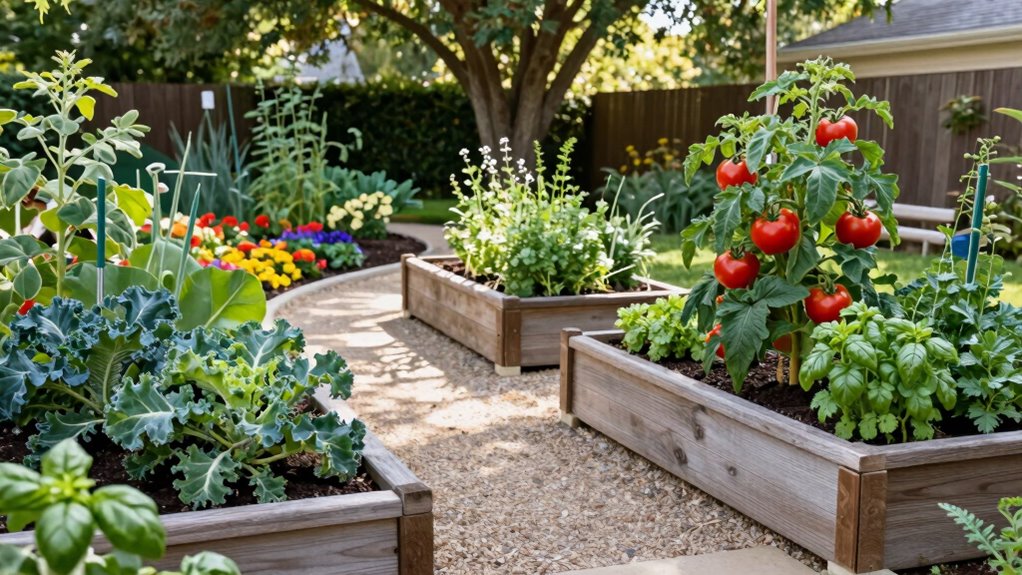
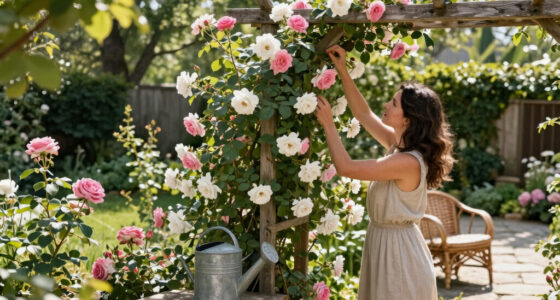
Have you ever considered transforming your front yard into a productive, edible landscape? It’s a clever way to combine beauty and function, turning your outdoor space into a source of fresh, homegrown food. The key is designing an layout that looks intentional, not cluttered or haphazard. Start by blending edible plants with ornamental plantings, which can serve as both visual interest and functional boundaries. Think about incorporating flowering herbs like lavender or chives, which add color and fragrance while also attracting pollinators. These ornamental plantings can help create a cohesive design that feels curated, not just a garden patch thrown together. With careful placement, you can mask the edible aspects, making the front yard look polished and welcoming rather than like a farm. Incorporating biodiversity principles can further enhance your yard’s ecological health and resilience. Additionally, selecting native plants can support local ecosystems and reduce maintenance needs, creating a more sustainable landscape. Creating a sustainable landscape can also help conserve water and reduce reliance on chemical inputs. Incorporating digital tools for planning and maintenance can assist in designing a balanced and efficient garden layout.
Another essential aspect is maintaining a wildlife habitat. When you choose plants that support local birds, bees, and butterflies, you’re enhancing your yard’s ecological value. Planting native berry-producing shrubs or flowering perennials invites wildlife to your space, which can also benefit your edible plants by encouraging pollination and pest control. Integrate small trees or shrubs that provide shelter and food sources for beneficial creatures. This approach not only makes your yard more lively and dynamic but also ensures a healthier, more resilient garden. Creating ecological balance within your landscape promotes healthier plant growth and better pest management naturally. It’s about balancing your desire for edible crops with the natural ecosystem, creating an environment that supports both.
Supporting local wildlife with native plants boosts garden health and enhances your edible landscape.
Design-wise, think about how to structure your layout to be both functional and visually appealing. Use raised beds or neatly arranged containers to organize your edible plants, making maintenance easier and the overall look more intentional. Intermingle these with ornamental plantings to soften edges and add layers of interest. Pathways or gravel borders can delineate different zones, giving your yard a sense of order. Keep sight lines clear, ensuring that your front yard remains inviting to visitors. Incorporate evergreen plants or shrubs to provide year-round structure, while seasonal flowering plants can add bursts of color throughout the year. This thoughtful layering makes your yard look well-planned rather than a patchwork of random plantings. Planning for year-round interest can make your landscape more engaging and dynamic across seasons.
Ultimately, designing a front yard that combines edible landscaping with ornamental plantings and wildlife habitat doesn’t mean sacrificing style for function. With a bit of planning, your yard can be both beautiful and productive, offering fresh food and supporting local ecosystems. When done right, it’s a space that feels inviting and intentional—a reflection of your care for both your home and the environment.
edible landscape plants for front yard
As an affiliate, we earn on qualifying purchases.
As an affiliate, we earn on qualifying purchases.
Frequently Asked Questions
How Do I Choose Plants That Thrive Locally?
You choose plants that thrive locally by researching your climate zone and native species. Use companion planting to pair plants that support each other, boosting growth and pest resistance. Focus on soil enrichment by adding compost or organic matter to improve soil health. Visit local nurseries or extension offices to find recommended plants for your area, ensuring your edible landscape stays healthy, productive, and visually appealing.
What Maintenance Is Required for an Edible Front Yard?
Think of maintaining your edible front yard as tending a living masterpiece. You’ll need to regularly water using efficient techniques like drip irrigation, ensuring plants stay healthy without waste. Composting methods help enrich your soil naturally, reducing the need for chemical fertilizers. Routine pruning, pest monitoring, and mulching keep everything tidy and thriving. With consistent care, your yard becomes a lush, edible landscape that looks just as intentional as it tastes.
Can I Incorporate Flowers With Edible Plants?
Yes, you can definitely incorporate flowers with edible plants through companion planting and flower integration. Plant flowers like marigolds or nasturtiums alongside vegetables, as they attract beneficial insects and deter pests. Mixing edible plants with colorful blooms not only enhances your yard’s aesthetic appeal but also promotes healthier growth. Be mindful of plant compatibility to guarantee both your flowers and edibles thrive together in a balanced, intentional design.
How Do I Prevent Pests Without Chemicals?
Think of your garden as a peaceful neighborhood, where pests are uninvited guests. To keep them at bay without chemicals, you should practice companion planting—pairing plants that naturally repel pests with your edibles. Incorporate natural repellents like marigolds or basil, which ward off unwanted visitors. Regularly inspect your plants and encourage beneficial insects to maintain harmony, creating a resilient, pest-free environment that looks intentional and inviting.
What Is the Best Layout for Small Front Yards?
You should optimize your small front yard by using vertical gardening to maximize space and create visual interest. Incorporate companion planting to promote healthy growth and deter pests naturally. Arrange plants thoughtfully, blending edible and ornamental varieties for an intentional look. Use layered planting, combining height and texture, to make your yard appear lush yet organized. This approach guarantees your yard is functional, attractive, and perfectly suited to limited space.
native pollinator-friendly shrubs
As an affiliate, we earn on qualifying purchases.
As an affiliate, we earn on qualifying purchases.
Conclusion
By thoughtfully designing your front yard with edible plants, you create a beautiful, functional space that nourishes both your family and the environment. Remarkably, studies show that incorporating edible landscapes can increase property values by up to 15%, making your investment even more worthwhile. With a strategic layout, you’ll enjoy fresh produce right outside your door while enhancing curb appeal. So, start planning today—your delicious, sustainable front yard awaits!
raised garden beds for vegetables
As an affiliate, we earn on qualifying purchases.
As an affiliate, we earn on qualifying purchases.
As an affiliate, we earn on qualifying purchases.
Fall Picks
fall essentials
As an affiliate, we earn on qualifying purchases.