TL;DR

Get garden gear delivered free with Prime
- Fast, free delivery on millions of items
- Prime Video, Amazon Music and more included
- Member-only deals all year
Some common garden plants, including Italian Cypress and Lavender, are highly flammable and can increase fire risk in American gardens. Experts recommend replacing them with fire-resistant species to improve safety.
Several popular garden plants, notably Italian Cypress and Lavender, are identified as increasing fire risk in drought-prone areas of the United States, according to landscape professionals. This development matters because it provides homeowners with crucial information to reduce wildfire danger through plant selection.
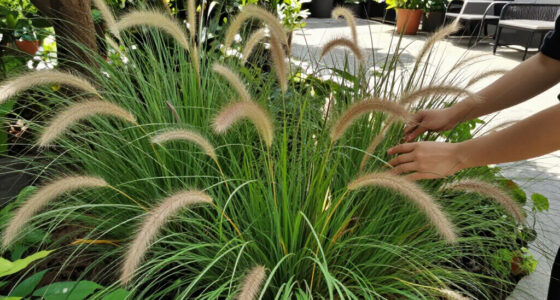
Experts such as Brooke Addison, landscape designer, emphasize that plants with woody, resinous, and low-moisture characteristics, including conifers like pines and spruces, significantly heighten fire risk. Italian Cypress, often used for aesthetic vertical accents, is highly flammable due to its resinous foliage and dense branches that can create a chimney effect during fires.
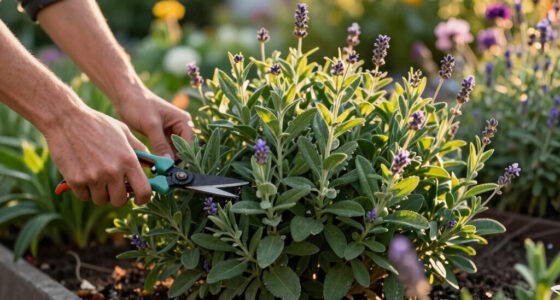
Conversely, plants like Podocarpus and deciduous trees such as maples and redbuds are considered safer because they contain higher moisture content and less resin, reducing their flammability. Native fruit trees, which require consistent watering, are also recommended as fire-resistant options. Lavender, despite its drought tolerance, is generally advised against in fire-prone zones due to its volatile oils and woody structure, which can ignite easily, according to Brooke Addison.
Implications for Fire-Resistant Garden Planning
This guidance is vital for homeowners in drought-affected and wildfire-prone regions, where selecting the right plants can significantly mitigate fire risk. By avoiding highly flammable species and opting for moisture-rich, native, or deciduous plants, property owners can enhance safety without sacrificing garden aesthetics.
As an affiliate, we earn on qualifying purchases.
Expert Recommendations on Flammable vs. Fire-Resistant Plants
Recent advice from landscape professionals builds on existing wildfire mitigation strategies, emphasizing plant characteristics that influence flammability. Conifers such as pines, spruces, and cypress have long been known for their resinous, combustible foliage, but their widespread use in landscaping has raised concerns. The guidance aligns with broader efforts to promote firescaping—designing gardens to reduce wildfire spread—by choosing plants with high moisture content and minimal dead material.
Previous wildfire seasons have underscored the importance of plant choice, especially in California, Arizona, and other arid regions, where fire risk is highest. This latest advice consolidates plant selection strategies to help homeowners create safer landscapes.
“Plants with woody, resinous, and low-moisture traits significantly increase fire risk.”
— Brooke Addison, landscape designer & founder, Lark Haven Studio
As an affiliate, we earn on qualifying purchases.
Uncertainties About Plant Flammability and Regional Variations
While experts agree on general principles, specific flammability levels can vary based on local climate, plant health, and maintenance. The effectiveness of certain fire-resistant species in different regions remains to be fully validated, and individual plant conditions may influence fire risk. Further research is needed to establish region-specific guidelines.
As an affiliate, we earn on qualifying purchases.
Guidance for Homeowners on Fire-Resistant Landscaping
Authorities and landscape professionals will likely develop detailed plant lists tailored to various regions, helping homeowners make informed choices. Additionally, homeowners are encouraged to incorporate other firescaping practices, such as removing dead material, creating defensible zones, and using non-flammable mulches. Monitoring ongoing wildfire seasons will also inform updates to safety recommendations.
As an affiliate, we earn on qualifying purchases.
Key Questions
Which common garden plants should I avoid in fire-prone areas?
Plants like Italian Cypress, pines, spruces, and lavender are highly flammable and should be avoided near structures in fire-prone regions.
What are safer alternatives to flammable trees and shrubs?
Deciduous trees such as maples, redbuds, and fruit trees, as well as native shrubs like Toyon and Lemonade Berry, are less flammable due to higher moisture content and lower resin levels.
Can native plants help reduce fire risk?
Yes, native plants are often better adapted to local conditions and tend to have higher moisture content, making them safer choices for fire-resistant landscaping.
Is lavender safe to plant in fire-prone gardens?
Generally, lavender is not recommended for fire-prone areas because its woody structure and volatile oils can ignite easily, despite its drought tolerance.
What other steps can I take to make my garden fire-resistant?
In addition to choosing appropriate plants, remove dead plant material, create defensible zones around structures, and avoid using flammable mulches to improve fire safety.
Source: Homes & Gardens
Halloween Picks
halloween
As an affiliate, we earn on qualifying purchases.