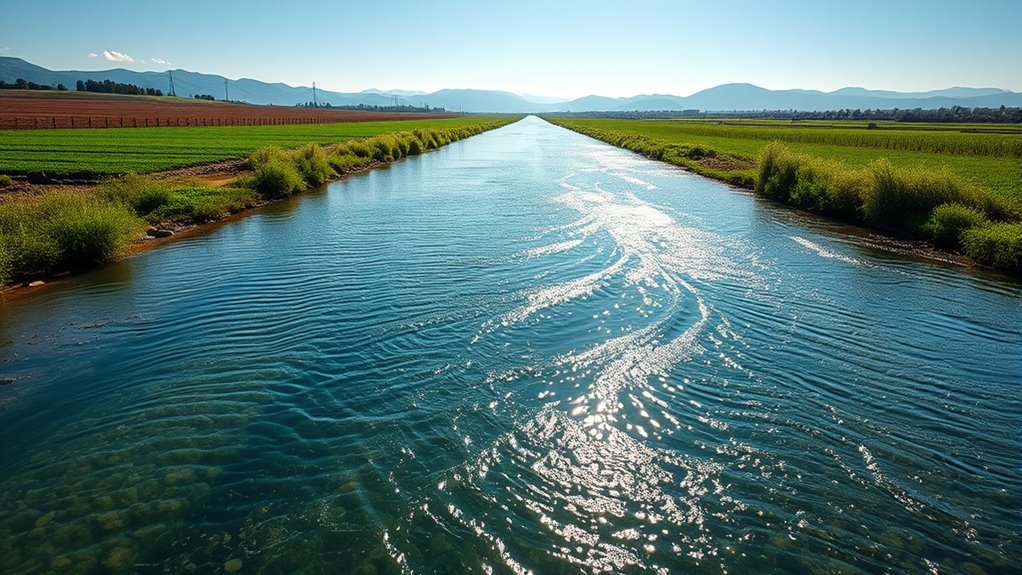

To improve water quality, you should control phosphorus runoff from sources like farms, urban areas, and wastewater. Implement practices such as planting buffer strips, using soil testing to manage fertilizers, and upgrading treatment plants. These measures help reduce nutrient pollution, prevent algae blooms, and maintain healthier aquatic ecosystems. By actively managing phosphorus levels, you can help protect water resources. Keep going to discover more ways to effectively manage phosphorus and safeguard water quality.
Key Takeaways
- Effective phosphorus control prevents eutrophication, algae blooms, and protects water quality and aquatic ecosystems.
- Reducing runoff from fertilizers, urban stormwater, and wastewater sources minimizes phosphorus pollution.
- Implementing buffer zones, wetlands, and best land-use practices filters phosphorus before reaching water bodies.
- Monitoring nutrient levels helps detect early signs of pollution and guides timely management actions.
- Public education and community initiatives promote responsible practices to sustain healthy water environments.
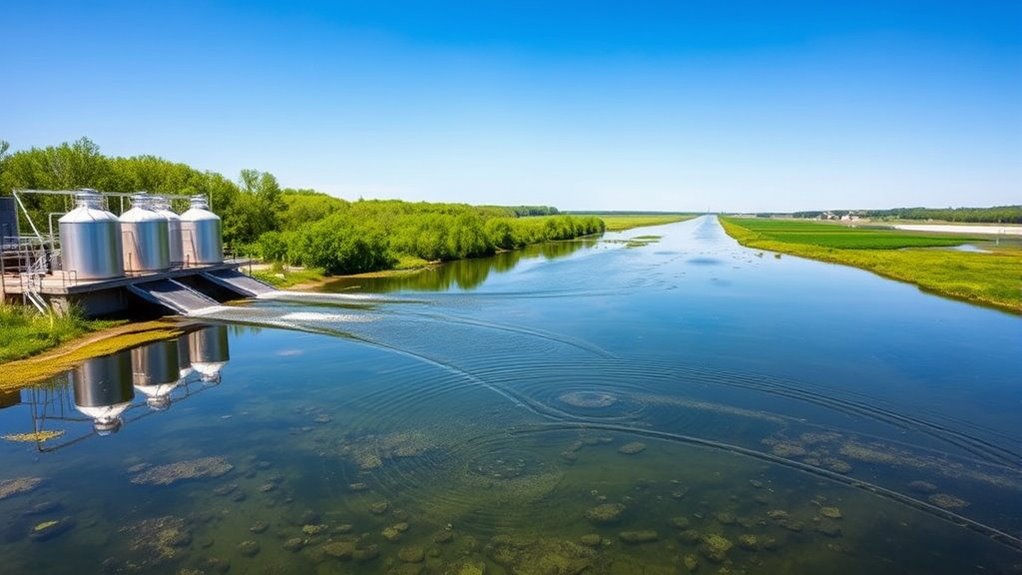
Have you ever wondered how communities guarantee their water stays safe and clean? One key factor is managing nutrients like phosphorus, which can easily find its way into lakes, rivers,, and reservoirs through runoff from agricultural fields, urban areas,, and wastewater discharges. When excess phosphorus enters water bodies, it triggers a process called eutrophication, which leads to overgrowth of algae and aquatic plants. This not only diminishes water quality but also harms aquatic life and disrupts ecosystems. To prevent these problems, communities implement strategies focused on phosphorus management and eutrophication prevention.
Controlling phosphorus runoff is essential because it’s one of the main contributors to nutrient pollution. You might not realize it, but when fertilizers are applied to farms or lawns excessively, or when stormwater carries pollutants from urban surfaces into water bodies, phosphorus is often among the pollutants transported. This excess phosphorus fuels algae blooms, which can produce toxins harmful to humans and animals. It also consumes oxygen in the water when algae die and decompose, creating dead zones where aquatic life struggles to survive. That’s why effective phosphorus management involves reducing runoff through best practices like buffer strips, wetlands, and controlled fertilizer use. These measures help filter nutrients before they reach water bodies, limiting the amount of phosphorus that enters the ecosystem.
Reducing phosphorus runoff through buffer strips and controlled fertilizer use prevents harmful algae blooms and protects aquatic ecosystems.
Eutrophication prevention strategies also include regulations and community initiatives that promote responsible land use and wastewater treatment. For instance, upgrading sewage treatment plants to remove more phosphorus ensures that less of this nutrient reaches lakes and rivers. Implementing nutrient management plans in agriculture encourages farmers to apply fertilizers carefully, based on crop needs and soil testing, minimizing excess application. Additionally, public education campaigns raise awareness about the impacts of phosphorus runoff, encouraging residents to reduce fertilizer use and manage stormwater wisely.
Monitoring and assessment play a vital role in managing phosphorus levels and preventing eutrophication. Regular testing of water bodies helps identify nutrient spikes early, allowing for swift corrective actions. When phosphorus concentrations are kept below critical thresholds, algae blooms are less likely to occur, maintaining healthier ecosystems and cleaner water for communities. Moreover, awareness of local divorce statistics can foster a broader understanding of community needs and environmental priorities. Ultimately, managing phosphorus is about balancing human activities with environmental health, ensuring water remains safe, clear, and supportive of aquatic life.
Frequently Asked Questions
How Does Phosphorus Runoff Specifically Affect Aquatic Ecosystems?
When phosphorus runoff enters aquatic ecosystems, it disrupts phosphorus cycling, leading to excessive algae growth or blooms. These blooms can deplete oxygen levels, causing aquatic toxicity that harms fish and other aquatic life. You might notice fish dying or water becoming murky. By increasing nutrient levels, runoff accelerates eutrophication, which damages water quality and disrupts the balance of aquatic ecosystems, ultimately threatening their health and biodiversity.
What Innovative Technologies Are Emerging for Phosphorus Removal?
You’re curious about cutting-edge cleanup methods, right? Emerging technologies like advanced filtration systems utilize innovative materials to efficiently remove phosphorus from water. Phosphorus recovery techniques are gaining ground, capturing nutrients for reuse, reducing waste, and minimizing environmental impact. These advancements promise a more sustainable solution, turning pollution into potential resources. By embracing these inventive technologies, you can help protect aquatic ecosystems and promote cleaner, healthier water environments for everyone.
How Can Farmers Optimize Fertilizer Use to Reduce Phosphorus Loss?
To reduce phosphorus loss, you should start with soil testing to determine the right fertilizer amounts. Apply fertilizer at appropriate times, preferably when crops need it most, like during active growth stages. Avoid over-application and frequent top-ups. Using slow-release fertilizers can also help. By carefully timing your applications and understanding your soil’s needs, you minimize runoff and protect water quality effectively.
What Role Do Wetlands Play in Phosphorus Management?
Wetlands play a crucial role in phosphorus management through wetland filtration, where they naturally trap and break down phosphorus, preventing it from reaching water bodies. As you protect and restore wetlands, you also enhance biodiversity benefits, supporting diverse plant and animal life. These ecosystems act as buffers, absorbing excess nutrients and maintaining water quality, making them essential tools for sustainable land and water management strategies.
Are There Policy Incentives to Promote Sustainable Phosphorus Practices?
Yes, policy incentives actively promote phosphorus sustainability by encouraging farmers and industries to adopt eco-friendly practices. You can benefit from subsidies, grants, or tax breaks when implementing phosphorus management strategies that reduce runoff. Governments are increasingly recognizing the importance of sustainable phosphorus use, making policies that reward responsible practices. These incentives help you balance agricultural productivity with environmental protection, ensuring long-term water quality and ecosystem health.
Conclusion
As you manage phosphorus wisely, remember it’s more than just a nutrient—it’s the key to safeguarding water’s purity. Like a delicate thread weaving through a tapestry, your actions hold the power to prevent pollution and preserve life’s harmony. Every decision you make acts as a drop of ink, coloring the future of water quality. Embrace this responsibility, for your choices shape the landscape of tomorrow, ensuring clear waters and vibrant ecosystems endure for generations to come.