Early detection of bagworms is crucial because they start small, hidden inside silken bags with eggs, making them easy to overlook. By spotting tiny bags or early larvae, you can intervene before they cause major damage to your plants. Catching them early guarantees you can control the infestation easily and prevent extensive harm. If you pay close attention now, you’ll discover simple ways to protect your plants from these tiny, yet destructive pests.

Get garden gear delivered free with Prime
- Fast, free delivery on millions of items
- Prime Video, Amazon Music and more included
- Member-only deals all year
Key Takeaways
- Early detection allows for quick removal before larvae cause significant plant damage.
- Small bagworms are easier to manage, reducing the need for chemical treatments.
- Recognizing tiny signs prevents the infestation from spreading to other plants.
- Intervening early leverages natural predators and minimizes chemical use.
- Catching bagworms early preserves plant health and reduces long-term repair costs.

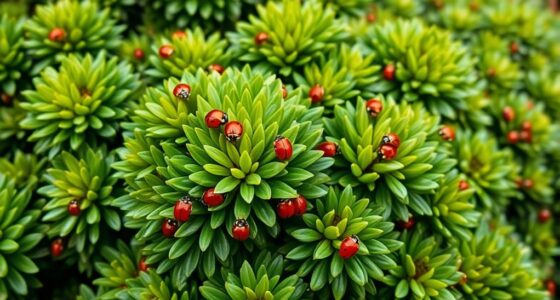
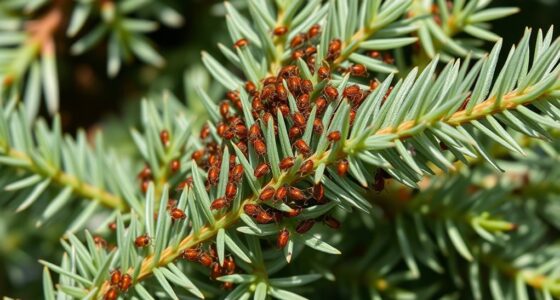
Have you ever noticed tiny, silken bags hanging from trees or shrubs? These are the early signs of bagworms, and catching them early can make all the difference. Bagworms start small, with their egg development occurring inside these protective silk coverings. During this stage, the eggs remain hidden, making it difficult to spot the threat until the larvae hatch. If you’re attentive, you might notice these small bags swaying in the breeze, often blending into the foliage. Recognizing these early signs allows you to act before the bagworms grow larger and cause more damage. A healthy garden ecosystem, including natural predators, can help keep bagworm populations in check and reduce the need for chemical interventions.
Tiny silk bags on trees signal early bagworm stages—spot them early to protect your plants from damage.
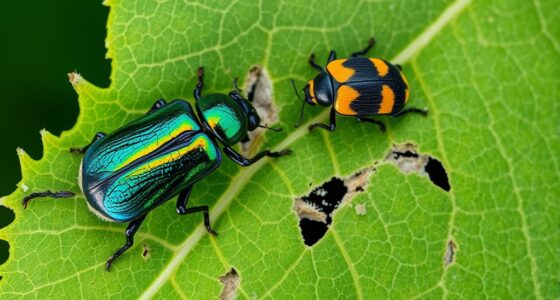
Once the eggs hatch, tiny larvae emerge from the bags, beginning their destructive feeding. They consume needles, leaves, or small branches, which weakens the plant and hampers its growth. Early detection is essential because the damage remains minimal at this stage. When you spot the bags early, it’s easier to manage the infestation with targeted interventions, such as handpicking or applying environmentally friendly insecticides. The sooner you intervene, the less likely the bagworms will mature into larger, more destructive pests.
Natural predators play an important role in controlling bagworm populations. Birds, spiders, and beneficial insects often feed on the larvae, helping keep their numbers in check naturally. If you notice a healthy presence of these predators, it’s a good sign that your garden has some built-in defenses against bagworm infestations. Encouraging natural predators by avoiding broad-spectrum chemicals can be an effective, eco-friendly way to manage these pests. When you foster a balanced ecosystem, you reduce the need for chemical treatments, which can harm both pests and beneficial insects alike.
Being proactive about early detection not only saves you time and effort but also protects your plants from severe damage. Waiting until the bags are large and conspicuous means the infestation has already taken hold, making control more difficult and costly. Regularly inspecting your trees and shrubs during the early growing season helps you catch the problem before it spreads. By understanding egg development and observing natural predators at work, you create an environment where bagworms are less likely to thrive. This proactive approach ultimately keeps your garden healthier and more vibrant, ensuring your plants grow strong and resilient against future threats.
As an affiliate, we earn on qualifying purchases.
Frequently Asked Questions
When Is the Best Time to Check for Bagworms?
You should check for bagworms in late spring to early summer, as this is when they hatch and start to create their protective bags. Use timing tips like inspecting your trees every couple of weeks during this period. For inspection methods, look for small, silken bags with cone-shaped tops on the branches. Catching them early allows you to remove or treat infestations before they cause significant damage.
How Do Bagworms Affect Different Types of Trees?
Bagworms can profoundly impact your tree health by feeding on leaves and needles, weakening the tree over time. They affect different tree types, including evergreens and deciduous trees, based on their pest lifecycle. As they grow, they cause defoliation, reducing photosynthesis and making trees vulnerable to other stressors. Regular inspections early in their development help you catch infestations, minimizing damage and supporting the tree’s overall health.
Can Bagworms Be Completely Eradicated Once Detected?
You can often completely eradicate bagworms if you act early. Studies show that early intervention provides a 90% success rate. Chemical controls can quickly eliminate visible worms, while biological methods, like introducing natural predators, sustain long-term control. Regular inspections and prompt treatment make eradication feasible. Without early detection, infestations grow too large, making complete eradication much harder. So, stay vigilant and act swiftly to protect your trees.
Are There Natural Predators That Control Bagworm Populations?
Yes, natural predators like birds, parasitic wasps, and certain beetles help control bagworm populations. Biological control methods involve encouraging these natural predators in your garden, reducing the need for chemical treatments. You can attract birds by providing birdhouses or feeders, and avoid using broad-spectrum insecticides that harm beneficial insects. Promoting natural predator presence creates an eco-friendly way to keep bagworms in check and protect your plants.
What Are the Long-Term Impacts of Bagworm Infestations?
Like a slow poison, long-term bagworm infestations weaken your trees, harming their health and making them more vulnerable to disease. Over time, this disrupts the ecosystem balance, affecting other plants and animals that rely on healthy trees. If left unchecked, the damage can be severe, leading to tree death and altering the landscape. Early detection helps prevent these lasting impacts, protecting your trees and the surrounding environment.
natural pest control for bagworms
As an affiliate, we earn on qualifying purchases.
As an affiliate, we earn on qualifying purchases.
Conclusion
Just like spotting a tiny spark before a wildfire spreads, catching bagworms early can save your plants from disaster. When you act quickly, you prevent those small, harmless-looking bags from becoming an unstoppable infestation. Think of early detection as your first line of defense—it’s easier and more effective than dealing with a full-blown problem later. So, stay vigilant and keep an eye out; your plants will thank you for it, just like a garden thriving after a gentle rain.
As an affiliate, we earn on qualifying purchases.
beneficial insects for pest control
As an affiliate, we earn on qualifying purchases.
As an affiliate, we earn on qualifying purchases.
Halloween Picks
halloween
As an affiliate, we earn on qualifying purchases.