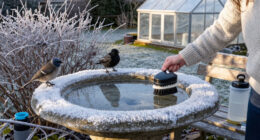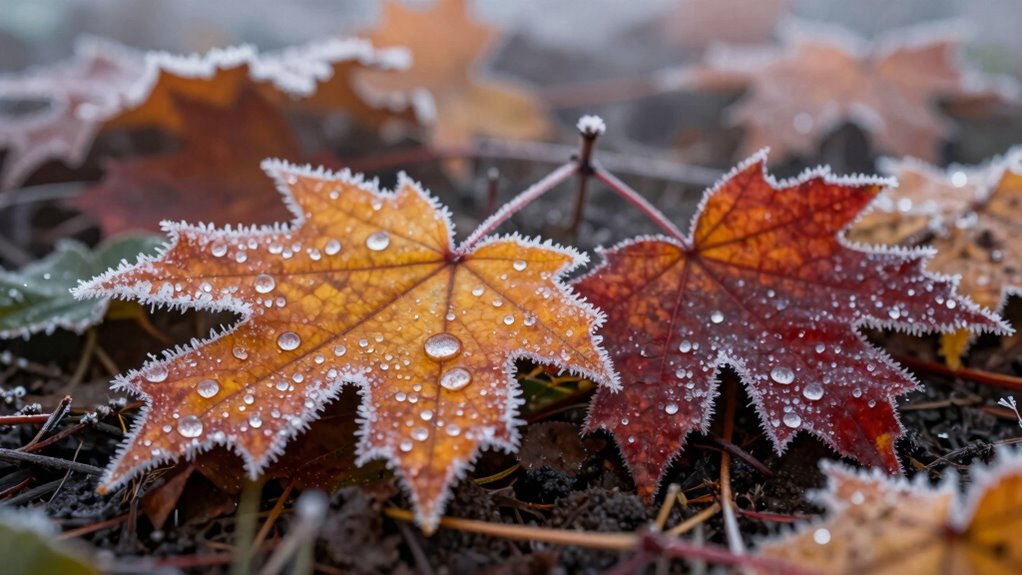

Your first frost date tells you when temperatures likely drop to freezing, signaling a vulnerable period for your plants. It helps you plan planting schedules, protect sensitive plants, and manage soil moisture. Knowing this date reduces the risk of unexpected cold damage, so you can take timed actions like covering plants or adjusting watering. The more you understand about this key date, the better you can safeguard your garden’s health—continue to discover ways to improve your garden resilience.

Get garden gear delivered free with Prime
- Fast, free delivery on millions of items
- Prime Video, Amazon Music and more included
- Member-only deals all year
Key Takeaways
- The first frost date indicates when temperatures typically drop to freezing, signaling increased risk for sensitive plants.
- Knowing this date helps plan planting schedules and implement protective measures to minimize frost damage.
- It reflects the window for plant establishment and the importance of selecting frost-hardy varieties.
- Monitoring soil moisture alongside frost dates can improve root protection and overall plant resilience.
- Understanding the first frost date enables proactive garden management, reducing unexpected cold-related risks.
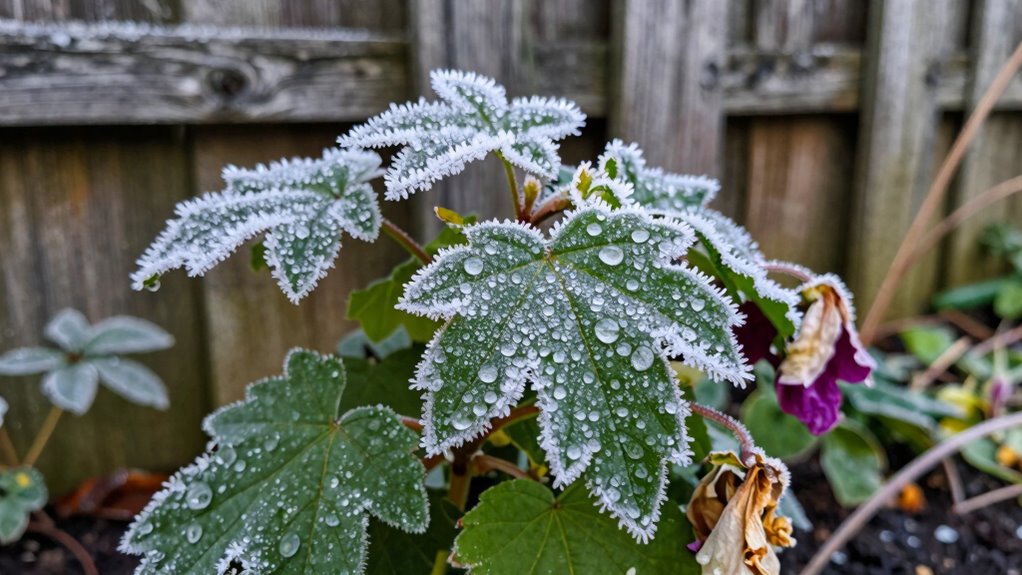
Understanding your garden’s risk of frost begins with knowing the first frost date in your area. This date marks the average day when temperatures typically drop to freezing or below, signaling the start of a vulnerable period for your plants. But knowing this date isn’t just about avoiding a sudden cold snap; it’s about understanding what it means for your garden’s overall health and resilience. When you’re aware of the first frost date, you can better plan your planting schedule and take proactive steps to protect your garden. It’s not only about when frost arrives but also about how resilient your plants are and how the soil moisture levels might influence their ability to withstand early cold spells.
Knowing your first frost date helps you plan, protect, and build resilience for a thriving garden.
Soil moisture plays a critical role in how plants respond to frost. When the soil is moist, it conducts heat better, which can sometimes help keep plant roots warmer during cold nights. Conversely, dry soil can lead to faster temperature drops around roots, making plants more susceptible to frost damage. If you notice your soil is consistently moist before the first frost date, you might have a slight advantage in protecting your plants. As you prepare, consider the soil’s moisture content and how it could influence plant resilience. Proper soil management, like mulching or adjusting watering routines ahead of the frost, can help maintain ideal moisture levels and provide some insulation for your plants’ roots. Additionally, understanding frost hardiness zones** can guide you in selecting plants that are naturally better equipped to handle these cold conditions. Recognizing soil moisture levels and their impact can further help you fine-tune your protection strategies. Being aware of local climate variability** can also help you prepare for unexpected cold snaps that fall outside typical patterns.
Your plants’ resilience depends on more than just timing; it’s about how well they’re prepared to face cold temperatures. Some plants naturally tolerate frost better than others, and understanding their hardiness zones helps you select appropriate varieties for your region. If you’re planting late in the season, choose hardy plants or consider providing cover during cold nights. The first frost date informs you of the window you have to get your plants established and strong enough to endure the cold. If you act early to protect vulnerable plants, you extend their resilience and reduce the risk of damage.
Ultimately, knowing the first frost date isn’t just about avoiding damage—it’s about empowering you to make informed decisions. By monitoring soil moisture, selecting hardy plants, and timing your planting and protection measures carefully, you give your garden the best chance to thrive despite the approaching cold. This knowledge helps you manage risk proactively, ensuring your garden stays healthy and productive throughout the season.
As an affiliate, we earn on qualifying purchases.
Frequently Asked Questions
How Accurate Is the First Frost Date for My Specific Location?
Your first frost date is like a weather crystal ball, but it’s not perfect. It’s based on historical data, so climate variability can make it less accurate for your specific location. While it offers a helpful guideline, don’t rely solely on it. Keep an eye on local forecasts, and remember that recent weather patterns can shift frost timing. Adjust your planting plans accordingly for the best garden success.
Can I Extend My Growing Season Beyond the First Frost Date?
Yes, you can extend your growing season beyond the first frost date by using season extension techniques and frost protection. You might add row covers, cold frames, or hoop houses to shield your plants. Additionally, choosing hardy or frost-tolerant varieties helps. These methods create a microclimate that delays frost damage, giving you extra days or even weeks to harvest, experiment, or enjoy your garden longer.
How Do Microclimates Affect the First Frost Date?
Microclimate variations can subtly shift your first frost date, sometimes extending the growing season or bringing early cold snaps. Frost pocket zones, where cold air settles, often experience earlier frosts, risking tender plants. By understanding these microclimate nuances, you can better plan your planting schedule, protect vulnerable crops, and optimize your gardening efforts, ensuring your garden thrives despite the gentle whims of nature’s hidden patterns.
What Methods Can I Use to Protect Plants From Early Frost?
To protect your plants from early frost, use frost blankets to insulate them overnight and prevent cold damage. Additionally, set up windbreak barriers to block chilly winds that can worsen frost impact. You can also move potted plants indoors or to sheltered areas, and water the soil well beforehand, as moist soil retains heat longer. Combining these methods offers effective protection against unexpected early frosts.
Does a Later First Frost Date Guarantee a Longer Growing Season?
A later first frost date doesn’t automatically mean a longer growing window—think of it as a false promise, like a mirage in a desert. Frost timing varies greatly, and unpredictable weather can shorten your growing season unexpectedly. You might have a later frost date, but sudden cold snaps can still cut your season short. Focus on the actual frost timing rather than just the calendar to truly maximize your growing window.
soil moisture meter for gardening
As an affiliate, we earn on qualifying purchases.
As an affiliate, we earn on qualifying purchases.
Conclusion
Knowing your first frost date helps you gauge garden risk, but it’s not the only factor. Are you prepared for unexpected cold snaps or late frosts that could catch you off guard? By understanding this date and keeping an eye on weather patterns, you can extend your growing season and protect your plants. Don’t let the unpredictable weather catch you unprepared—use your first frost date as a guide, but stay flexible and vigilant.
As an affiliate, we earn on qualifying purchases.
As an affiliate, we earn on qualifying purchases.
Halloween Picks
halloween
As an affiliate, we earn on qualifying purchases.