Giving your plants more light isn’t always better because excessive exposure can cause stress, leaf burn, or heat buildup. While extra light during shorter days can promote growth, too much intensity or duration can disrupt their natural rhythms and reduce health. Balancing light duration and intensity is key to avoiding these problems. If you want to discover how to optimize your setup for healthier, more productive plants, keep exploring these tips.
Key Takeaways
- Excessive light can cause leaf burn, heat stress, and hinder overall plant health.
- Extending light hours beyond natural cycles disrupts circadian rhythms, delaying flowering and development.
- High light intensity combined with long duration can lead to light stress and energy waste.
- Not all light spectrum and intensity are beneficial; proper quality optimizes growth without excess.
- Monitoring plant responses helps adjust light duration and intensity for optimal growth and efficiency.
Have you ever wondered how growers extend the natural daylight to boost plant growth? It’s all about supplemental light hours—adding extra light during shorter days or overcast periods to keep your plants thriving. But here’s the catch: more light isn’t always better. While it might seem logical that increasing light hours will speed up plant growth, it’s not that simple. Plants need the right balance of light intensity and duration. Too much light can actually hinder growth, cause stress, or lead to problems like leaf burn or excessive heat buildup.
When you provide supplemental lighting, you influence plant growth directly. Light intensity plays a crucial role—if it’s too weak, plants won’t get enough energy to grow properly, but if it’s too intense, you risk damaging the plants or disrupting their natural processes. Think of it like watering plants: too little water stunts growth, but too much can drown the roots. Similarly, plants require optimal light levels. If you push the light hours too long, especially with high light intensity, you can cause light stress, which slows overall growth and may even lead to plant health issues.
It’s important to remember that plants have an internal clock—an circadian rhythm—that responds to the natural light cycle. Extending light hours beyond what’s necessary can interfere with this rhythm, leading to stress and reduced productivity. For example, some plants require a period of darkness to trigger flowering or other developmental stages. Overexposing them to continuous light can delay or disrupt these processes, ultimately harming your yield. Understanding the photoperiodic response of your plants can help you tailor your lighting schedule more effectively. Additionally, providing the right light duration aligns with their natural growth patterns, promoting healthier development. Recognizing the importance of light regulation can further help in preventing stress caused by excessive exposure.
Another key factor is the quality of light. Not all supplemental lights are equal; the spectrum matters. Plants primarily use certain wavelengths of light for photosynthesis, especially red and blue. If your supplemental lights provide the right spectrum but with excessive intensity or duration, you might see diminishing returns. More hours under intense light won’t necessarily translate into faster or healthier growth. Instead, it can lead to energy waste, increased heat, and higher costs without significant benefits.
In addition, understanding supplemental light hours in relation to natural light cycles can help optimize growth conditions. The effectiveness of supplemental lighting is also influenced by the light spectrum, which must be tailored to the specific needs of your plants. In essence, understanding the balance between light duration and intensity is vital. More light doesn’t automatically mean better plant growth. Instead, focus on providing the right amount of light at the right intensity for your specific plants. Monitor how your plants respond and adjust accordingly. Properly managed supplemental light hours can boost growth and yield, but overdoing it can do more harm than good.
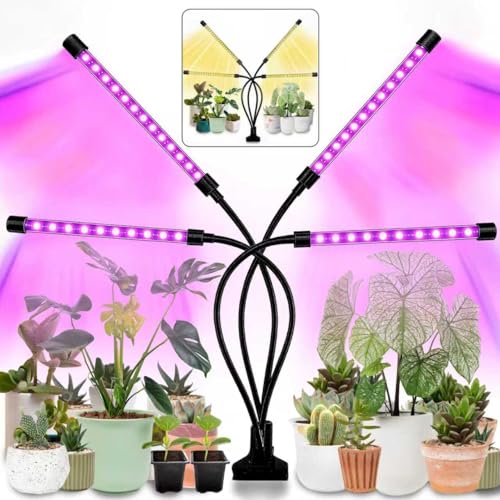
LEOTER Grow Light for Indoor Plants – Upgraded Version 80 LED Lamps with Full Spectrum & Red Blue Spectrum, 3/9/12H Timer, 10 Dimmable Level, Adjustable Gooseneck,3 Switch Modes
🌻Efficient LED Combination: This LED lamp has grow lights made up of 80 efficient growing LEDs ( 32…
As an affiliate, we earn on qualifying purchases.
As an affiliate, we earn on qualifying purchases.
Frequently Asked Questions
How Do Supplemental Light Hours Affect Plant Growth Stages?
Supplemental light hours directly influence plant growth stages by affecting light intensity and photosynthesis efficiency. Too many hours can lead to light stress, hindering growth, while too few slow development. You need to find a balance that maximizes photosynthesis without overexposing your plants. During the vegetative stage, longer light periods boost growth, but flowering requires a controlled light schedule. Adjusting your supplemental light hours helps optimize overall plant health and productivity.
Can Excessive Supplemental Light Harm Plant Health?
Excessive supplemental light can harm plant health by reaching light saturation points, where photosynthesis limits are met. You might think more light boosts growth, but too much can cause stress, leaf burn, or inhibited development. Plants need ideal light levels, not just maximum. By understanding photosynthesis limits, you guarantee your plants get enough light for healthy growth without risking damage from overexposure.
What Are the Best Light Durations for Different Crops?
You should tailor light durations based on the crop’s needs, typically around 12-16 hours of light per day for most vegetables, ensuring the light spectrum matches their growth stage. For energy efficiency, avoid excessive light hours, which waste electricity and can stress plants. Lettuce thrives with shorter periods, while fruiting plants like tomatoes benefit from longer, consistent light exposure. Adjusting light duration optimizes growth and conserves energy.
How Does Light Quality Interact With Supplemental Hours?
Think of light quality as the painter’s palette, shaping your crop’s growth with the right spectrum. You understand that light spectrum influences photoperiod effects, guiding flowering and vegetative stages. When you adjust supplemental hours, consider how spectrum interacts—poor quality light can hinder growth even with longer hours. By optimizing both light spectrum and photoperiod effects, you guarantee healthier plants, stronger yields, and more efficient energy use.
Are There Environmental Impacts of Increasing Supplemental Light?
Increasing supplemental light can lead to environmental impacts like light pollution, which disrupts local ecosystems and affects wildlife behavior. It also raises energy consumption, contributing to greenhouse gas emissions and climate change. You might think more light improves growth, but it often causes unnecessary energy use and environmental harm. To minimize impact, consider optimizing light duration and intensity, and using energy-efficient, eco-friendly lighting options.
LEOTER Grow Light for Indoor Plants – Upgraded Version 80 LED Lamps with Full Spectrum & Red Blue Spectrum, 3/9/12H Timer, 10 Dimmable Level, Adjustable Gooseneck,3 Switch Modes
🌻Efficient LED Combination: This LED lamp has grow lights made up of 80 efficient growing LEDs ( 32…
As an affiliate, we earn on qualifying purchases.
As an affiliate, we earn on qualifying purchases.
Conclusion
Remember, more light isn’t always better—balance is key. Too much supplemental light can stress your plants, hindering growth. For example, research shows that overexposing plants to extended light hours can reduce yields by up to 20%. So, aim for the ideal light schedule to maximize health and productivity. By understanding your plants’ needs and avoiding excess, you’ll see healthier growth and better results without wasting energy or resources.

Kullsinss Grow Lights for Indoor Plants, Full Spectrum Halo Growing lamp with Detachable Base, Height Adjustable, 3 Colors, 10 Dimming, Automatic Timer, Plant Light for Succulents Small Plants
Grow Light with Base: Our grow light for indoor plants is designed with a detachable base, it has…
As an affiliate, we earn on qualifying purchases.
As an affiliate, we earn on qualifying purchases.

Grow Light Bulbs, Briignite LED Grow Light Bulb A19 Bulb, Full Spectrum Grow Light Bulb, Plant Light Bulbs E26 Base, 11W Grow Bulb 100W Equivalent, Grow Light for Indoor Plants, Seed Starting, 2Pack
Full Spectrum & Natural Light: A19 full spectrum grow light appears 4000K white to the eye but has…
As an affiliate, we earn on qualifying purchases.
As an affiliate, we earn on qualifying purchases.