TL;DR

Get garden gear delivered free — and shop member deals
- Fast, free delivery on millions of items
- Access to Prime Big Deal Days deals on October 6–7
- Prime Video, Amazon Music and more included
A new Gardening Know How guide says early fall is an ideal window to propagate culinary herbs in plain water before frost. Mint is highlighted as the easiest starter herb, often rooting in days. The method requires sharp, cleaned blades, leaf-free stems below the waterline, and frequent water changes.
Gardening Know How has published a fall propagation guide recommending that gardeners take softwood herb cuttings now and root them in plain water on a windowsill, before hard frost ends the outdoor growing season. The guide names mint as the fastest and most reliable of the herbs it profiles for beginners, with roots often appearing in a matter of days. The method, according to the report, requires little more than sharp snips, clean glass jars, and tap water, making it a low-cost way to keep fresh culinary herbs available through winter.
The report’s central claim is that early fall is a particularly good time for water propagation because plants still carry active growth hormones and their green stems have not yet hardened off for winter. According to the guide, soft, bright green stem tips near the top of the plant flex easily and root faster than rigid, hardened base stems. Gardeners who wait too long, the author notes, lose access to that soft growth as plants go dormant.
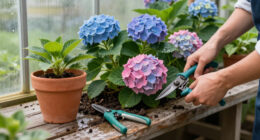
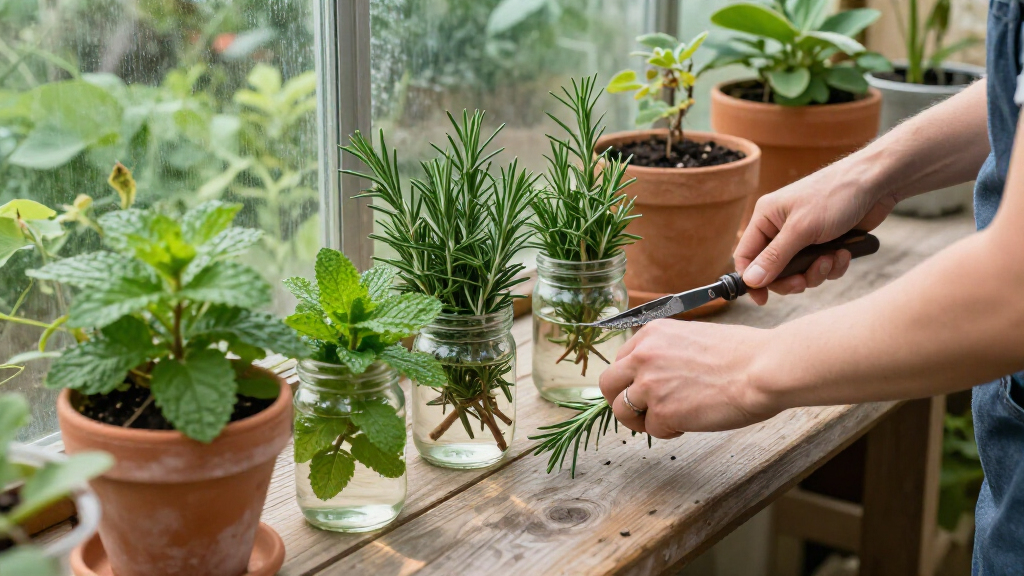
The guide sets out a specific technique. Cuttings should be snipped with razor-sharp scissors — the author recommends a micro-tip pruning snip — just below a leaf node, where root-forming cells are concentrated. Blades should be cleaned with isopropyl alcohol or diluted neem before and after use to reduce contamination, a point the report links to common failures such as murky water and rotted stems. All foliage must be stripped from the bottom two inches (5 cm) of the stem so that no leaves sit below the waterline, a frequent cause of failed cuttings according to the article.
For mint, the report recommends 4–6 inch (10–15 cm) stems with foliage stripped from the bottom half, placed in tall, narrow-necked jars or mason jars to keep the top-heavy stems upright. Flower spikes should be removed or avoided entirely, so the plant’s energy goes into root production rather than blooming. The author also suggests an optional single drop of liquid kelp fertilizer in a larger glass of water to encourage root node development, and says water should be replaced every few days to keep it clean. The guide’s title references three easy herbs plus a fourth that is easier than expected; the published excerpt provides detailed instructions for mint, with the remaining profiles appearing in the full article on the Gardening Know How site.
Why Windowsill Propagation Matters This Season
For home gardeners, the technique offers a practical way to extend the harvest of fresh culinary herbs past the first frost without buying new plants or equipment. Because cuttings can be taken from herbs already growing in the garden or a windowsill pot, the cost is limited to jars and, optionally, a small bottle of kelp extract. The report also frames water propagation as an insurance policy for favorite varieties: a rooted cutting kept indoors preserves a plant that might otherwise be lost to cold weather, and clear glass lets growers watch root development in real time.
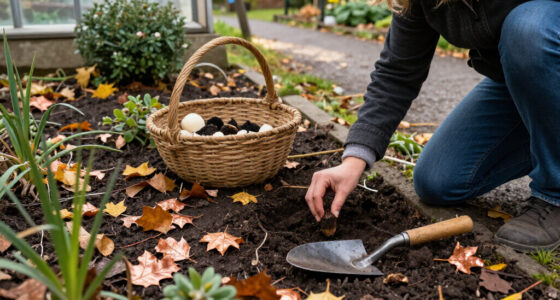
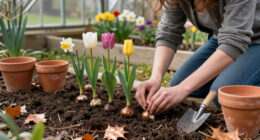
The timing point matters as much as the method. If the guide’s claim about early-fall stem vigor is correct, gardeners who delay until stems harden off will find propagation slower and less reliable. That gives the advice a short seasonal window, which is why the report frames it as a fall task alongside other end-of-season chores like planting spring bulbs.
Why Water Propagation Gets Its Mixed Reputation
Water rooting of herb cuttings is a long-established practice, but the report acknowledges it has a reputation for being unreliable. According to the author, failed attempts — described as a ‘murky jar of stumps’ — usually stem from small errors rather than the method itself: dull blades that crush stems instead of cutting cleanly, leaves left submerged to rot, and water left unchanged for too long.
The guide positions fall propagation as a corrective to that experience. Because early-fall stems are still soft and full of growth hormones, the author argues, they root quickly enough that beginners see results before problems set in. Mint is presented as the confidence-builder: the author recounts rooting a mint sprig brought home in a repurposed water mister, with a visible white root appearing in a little over a week. No special rooting hormone is required for the herbs described, only clean technique and fresh water.
“In fall, water propagation is your secret weapon: a way of bulking up your homegrown edibles, teasing more growing potential out of the year on the cheap, and creating a lovely insurance policy for your favorites.”
— Gardening Know How, fall propagation guide
What the Guide Doesn’t Establish
The guide is a single-source gardening column, not a controlled study, and its claims — such as the exact speed of rooting or the benefit of kelp drops — reflect the author’s experience rather than published trial data. The identities of the other herbs in the ‘three easy herbs’ list, and the fourth herb described as easier than expected, are not detailed in the available excerpt and would need to be checked against the full article. Rooting times will also vary with light levels, room temperature, and water quality, none of which the excerpt quantifies beyond the mint anecdote. Whether fall-rooted cuttings survive transplant into soil and carry through to spring is not addressed in the available text.
From Rooted Cutting to Winter Harvest
Gardeners who follow the method should see white roots forming within one to two weeks for mint, according to the report’s timeline, at which point cuttings can be kept in water on a bright windowsill or potted into soil to grow on. The guide recommends placing jars somewhere warm with bright light as the days shorten. Readers who want the full list of recommended herbs and the fourth ‘easier than you think’ option can find the complete article, along with the site’s free tomato-growing e-book offer for newsletter subscribers, at Gardening Know How.
Key Questions
Which herb is easiest to root in water, according to the guide?
The report names mint as the easiest starter herb, calling it nearly foolproof and noting it often roots within days. Spearmint, peppermint, and specialty varieties such as chocolate and apple mint are all described as vigorous water rooters.
How long should herb cuttings be?
For mint, the guide recommends 4–6 inch (10–15 cm) stems, snipped just below a leaf node, with all foliage stripped from the bottom half so no leaves sit under the water.
Why do water cuttings fail, according to the report?
The author attributes most failures to dull blades, submerged leaves, and dirty water. Fixes include razor-sharp snips cleaned with isopropyl alcohol or diluted neem, stripping lower foliage, and replacing the water every few days.
Is fertilizer needed to root cuttings in water?
No. Fertilizer is optional; the guide says a single drop of liquid kelp in a larger glass can speed root node development, but plain tap water works on its own.
Can I do this later in fall or winter?
The guide specifically recommends early fall, while stems are still soft and full of growth hormones. Once stems harden off for winter, rooting is slower and less reliable, though cuttings already established in water can continue growing on a bright windowsill.
Source: rss
Fall Picks
fall essentials
As an affiliate, we earn on qualifying purchases.