TL;DR
Gardening experts say November is generally a suitable time to plant roses, particularly bare-root plants, which can settle roots while dormant before spring growth. Avoid frozen or waterlogged ground, and choose a sunny site with good drainage. The advice is seasonal guidance, not a guarantee: local weather and soil conditions determine whether planting can go ahead.
November is not necessarily too late to plant roses, according to gardening experts, who say the month can be particularly suitable for dormant bare-root plants. They recommend planting only when the ground is workable and neither frozen nor waterlogged, conditions that affect whether roots can settle before spring growth.

Get garden gear delivered free with Prime
- Fast, free delivery on millions of items
- Prime Video, Amazon Music and more included
- Member-only deals all year
Chris Bonnett, founder of Gardening Express, said autumn and winter are ideal for planting bare-root roses because the plants are dormant and can establish roots before spring. David Denyer, a florist and gardening expert at eflorist, said autumn rain can provide moisture without the stress of high temperatures. He said roses planted at this time can direct energy toward root development rather than producing flowers.
Other experts also stressed that conditions matter more than the calendar date. Julian Palphramand, head of plants at British Garden Centres, said November soil is still workable in many areas, but advised waiting if it is too wet. The experts cautioned against planting in frozen or waterlogged ground, where roots may struggle to establish.
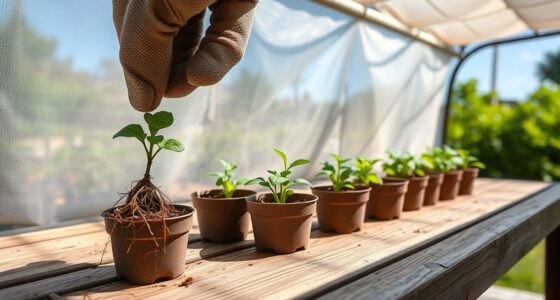
Bare-root roses are sold without a pot or soil around their roots and are commonly available from late autumn through winter. The experts described them as a cost-effective choice that can establish well when planted promptly. Container-grown roses can generally be planted throughout the year if the soil is not frozen or saturated, though cooler November weather can also offer a planting opportunity.
Can You Plant Roses in November? What Experts Recommend
November can be a good time to plant roses, especially bare-root varieties. Soil and weather conditions decide whether it is safe to plant.
Choose the right planting window
Check the ground before you plant; the calendar alone cannot tell you whether conditions are suitable.
- Soil is workable and drains well
- The site is sunny
- Bare-root roses are ready to plant promptly
- Ground is frozen
- Soil is waterlogged or too wet
- Water collects at the planting spot
Why bare-root roses suit autumn
Dormant plants can establish roots before spring growth, while autumn rain may provide natural moisture.
Plant when conditions allow
Often available from late autumn through winter; experts advise planting promptly once the soil is suitable.
A wider planting window
Can generally be planted throughout the year when the soil is not frozen or saturated.
Prepare and plant with care
Follow the instructions for your specific rose, especially for planting depth and spacing.
Soak them in water for a couple of hours and spread them naturally in a wide hole.
Loosen the soil, add well-rotted organic matter, then firm soil gently around the roots.
Water generously and mulch around the base, keeping mulch clear of the stems.
Choosing the Right November Planting Window
The advice gives gardeners a way to use the autumn planting window rather than automatically delaying rose planting until spring. Establishing roots before the next growing season may give plants a head start, according to the experts, while autumn moisture can reduce the need to rely on watering in warmer conditions.
But planting by the month alone is not a reliable guide. Local soil and weather conditions determine whether a rose can be planted safely. Waiting for a drier spell is preferable to putting a plant into saturated ground, and frozen soil is also a reason to hold off. That distinction matters to gardeners buying bare-root roses, which should be planted promptly when conditions permit rather than left unplanted indefinitely.
Choosing the right rose for the space is another part of the decision. Shrub roses can suit borders, climbing varieties can be trained along supports, and patio or miniature roses may work in containers, according to Denyer. Gardeners should check the needs and spacing of the specific variety they choose.
Products Worth Considering

Weber Lumin Portable Electric Grill, Black

Palram Canopia Mythos 6' x 8' Polycarbonate Greenhouse, Silver

Husqvarna 120 Mark III 16-Inch Gas Chainsaw, 38 cc
As an affiliate, we earn on qualifying purchases.
How Dormancy Shapes Rose Planting
Roses commonly enter dormancy around this part of the year. The experts said that state makes bare-root plants a good fit for autumn and winter planting: with flowering growth paused, the plant can focus on establishing roots. November also often brings cooler weather and rain, although those conditions vary by location and year.
The recommendations are conditional rather than a fixed planting deadline. Bonnett said bare-root roses are often sold online from November into early spring, while Palphramand noted that they are available in garden centres from late autumn through winter. Container-grown roses have a wider planting window, provided the ground is suitable.
Before planting, the experts recommend choosing a sunny position, ideally receiving about six hours of sun a day, and avoiding spots where water collects after heavy rain. Roses need room for air to circulate around their foliage; gardeners should follow the spacing guidance for the particular variety to help reduce the risk of fungal disease.
“November is actually a very good time to plant roses, so it’s certainly not too late.”
— Chris Bonnett, founder of Gardening Express
Weather and Soil Set the Limits
The guidance does not establish a single date by which roses must be planted, and it cannot account for conditions in every garden. Whether November is suitable depends on local weather and the soil, which may be workable in one area and saturated or frozen in another. The source material does not give a location-specific forecast or soil test.
The experts also do not provide one planting depth or spacing rule for all roses. These vary by variety and, for grafted plants, by the plant’s structure. Gardeners should follow the supplier’s instructions, particularly for planting depth, rather than applying a universal measurement. The advice supports planting in appropriate conditions, but does not promise that every November-planted rose will establish or flower successfully.
Check Conditions Before Planting
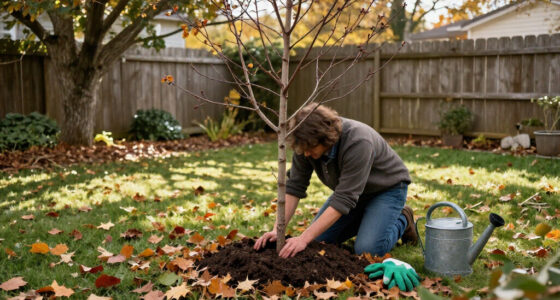
Gardeners considering a November planting should first check that the ground is neither frozen nor waterlogged and that the chosen site drains well. For bare-root roses, Denyer recommends soaking roots in water for a couple of hours, then spreading them naturally in a hole wide enough to avoid bending or crowding them. He also advises loosening the soil and mixing in well-rotted organic matter.
After planting, firm the soil gently around the roots, water generously and add mulch around the base while keeping it clear of the stems, Bonnett said. He advised against heavy feeding at this time of year; the immediate aim is for roots to settle before the growing season. If conditions are too wet or the soil is frozen, wait for a suitable spell and follow the plant supplier’s guidance.
Key Questions
Can roses be planted in November?
Yes, in suitable conditions. Gardening experts say November can be a good time, especially for bare-root roses, as long as the ground is workable and not frozen or waterlogged.
Are bare-root roses a good choice for November?
Experts recommend them for autumn planting because they are dormant and can establish roots before spring. They are often less expensive than container-grown roses, but should be planted promptly when soil conditions allow.
Can I plant roses in waterlogged or frozen soil?
No. The experts advise waiting if the ground is frozen or waterlogged. Poor drainage can leave roots sitting in excess water, while frozen soil is difficult to plant into and may prevent roots from settling.
How should I prepare a bare-root rose?
Denyer recommends soaking the roots in water for a couple of hours, then spreading them naturally in a hole wide enough to accommodate them. Follow the supplier’s instructions for planting depth, especially for grafted roses.
Where should I plant a rose?
Choose a sunny, well-drained spot; Bonnett recommends about six hours of sun a day. Avoid places where water collects, and leave enough space around the plant for air to circulate, using the spacing advice for its variety.
Source: idealhome.co.uk