TL;DR
December planting options vary by local climate and ground conditions: dormant bare-root plants, bulbs and winter flowers may suit workable soil, while cool-season crops can grow outdoors in mild regions or under cover. Frozen or waterlogged soil is a reason to wait, and a hardiness zone alone cannot predict whether a new planting will establish safely.
A December gardening guide sets out different planting options for cold, temperate and warm-climate gardens, advising gardeners to check soil and the forecast before planting. Bare-root trees and shrubs, late bulbs and winter flowers may be suitable where the ground is workable, while frozen or waterlogged soil is a reason to wait; cool-season crops can be grown under cover or outdoors in mild regions.

Get garden gear delivered free with Prime
- Fast, free delivery on millions of items
- Prime Video, Amazon Music and more included
- Member-only deals all year
The guidance divides planting choices broadly by USDA hardiness zone: gardeners in Zones 3–5 can focus on hardy dormant plants and protected sowings; Zones 6–8 have a wider potential planting window; and Zones 9–10 may still support cool-season vegetables and flowers outdoors. These ranges are a starting point, not a substitute for checking local conditions.
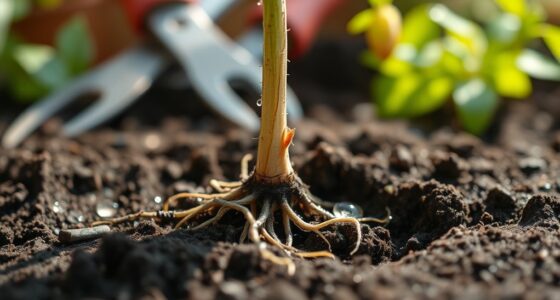
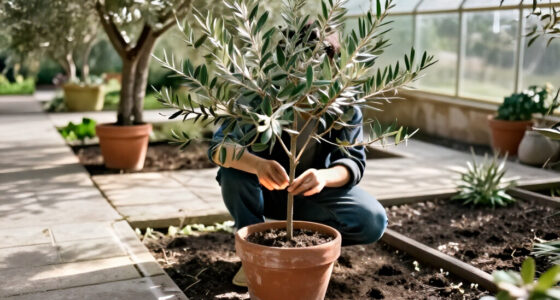
For bare-root trees and shrubs, the guide recommends planting while plants are dormant and soil remains workable. It names fruit trees, currants, gooseberries, raspberries and hardy ornamental shrubs as options for temperate areas. Dry roots should be soaked before planting, then spread in a wide hole and set at the nursery soil mark. Water after planting, and stake only where wind or the tree’s support needs warrant it.
Tulips and other bulbs can go in during December if the ground is not frozen or waterlogged. The guide says to plant bulbs point-up at a depth of about two to three times their height, in freely draining soil; pots should have drainage holes. In colder areas where the ground has frozen, it suggests potting bulbs and keeping them somewhere cool and protected instead of trying to dig into frozen earth. In warm-winter zones, gardeners should choose bulbs suited to their climate because tulips may not receive enough chill to flower reliably.
Make December Planting Work In Every Climate
Planting options depend on local weather and soil conditions. Check the bed before choosing what to plant.
Match Plants to Your Region
December choices vary with climate, soil, and site conditions.
Protect dormant plants
Consider hardy bare-root plants and protected sowings when the ground is workable.
Use the cool-season window
Cool-season crops and winter flowers may grow outdoors in suitable conditions.
Check the Bed First
A hardiness zone alone cannot tell you whether planting is safe today.
- Soil crumbles when squeezed
- A spade enters easily
- Soil drains freely
- Frozen
- Saturated or waterlogged
- Clinging to the shovel in heavy slabs
Choose Suitable Planting Options
| Option | December guidance |
|---|---|
| Bare-root trees and shrubs | Plant while dormant if soil is workable; water after planting. |
| Bulbs | Plant point-up at about two to three times their height in freely draining soil. |
| Winter flowers | Choose plants suited to local conditions; exposure and drainage matter. |
| Cool-season crops | Grow outdoors in mild regions or under cover where suitable. |
Care for New Plantings
Soak dry bare roots, spread them in a wide hole, and set plants at the nursery soil mark.
Water new plants during dry spells; add mulch after the soil cools and keep it clear of stems.
Pot bulbs and keep them somewhere cool and protected rather than digging into frozen soil.
Match December Planting to Local Conditions
The advice matters because a calendar date or zone label cannot show whether a particular bed is ready for planting. A new plant may tolerate winter minimum temperatures once established but still be vulnerable to freeze-thaw cycles, poor drainage or saturated soil soon after planting. Checking conditions can help gardeners avoid putting roots into ground that is too wet or too hard to work.
It also gives gardeners in different regions a practical way to use the month. In mild areas, December can offer a window for cool-season crops and flowers; in colder places, the focus may be hardy dormant plants or protected sowing. That distinction prevents general seasonal advice from being mistaken for a recommendation that applies everywhere.
For gardeners who do plant, the source advises keeping new plants watered during dry spells and adding mulch after the soil cools, while leaving space around stems. Those steps are presented as follow-up care, not a guarantee that every planting will establish successfully.
Products Worth Considering

Husqvarna 435i 16-Inch Battery Chainsaw with 7.5 Ah Battery and Charger

AMERLIFE 34 × 10 × 7 ft Walk-In Tunnel Greenhouse with Watering System

Rachio 3 Smart Sprinkler Controller, 16-Zone
As an affiliate, we earn on qualifying purchases.
Why Zones Are Only a Starting Point
The source describes December conditions that can differ sharply across the United States: the Upper Midwest may have frozen ground, the Pacific Northwest may be mild but sodden, and parts of the South may be suitable for cool-season crops. A single month therefore spans very different planting conditions, even before differences between individual gardens are taken into account.
A hardiness zone indicates a plant’s tolerance of winter minimum temperatures once established. It does not establish that soil is workable or well drained, or that a newly planted root ball will cope with a cold snap. The guide recommends checking both the local forecast and the condition of the soil: if it crumbles when squeezed and a spade enters easily, planting may be possible; if it is frozen, saturated or clinging to the shovel in heavy slabs, wait.
Winter flowers also depend on local conditions and plant selection. The source lists pansies and violas for milder areas, hellebores for many temperate locations, and winter jasmine or sweet box for some Zones 6–9 sites. It cautions that exposure, drainage and variety matter, and that hard freezes can pause flowering or require shelter for containers.
Local Weather Sets the Limits
The guidance does not provide location-specific forecasts or confirm which gardens are currently ready for planting. Conditions can vary within the same hardiness zone, and a zone designation alone does not account for soil drainage, recent rain or a coming freeze. Gardeners must check their own beds and local forecasts before acting.
The source also does not identify particular cultivars for every region or guarantee that recommended plants will survive a given winter. Tulip flowering in warm-winter areas, the performance of winter flowers and the establishment of new trees all depend on local climate, site exposure and plant suitability. Its vegetable-sowing guidance is general: it does not specify crop varieties, planting dates or protection requirements for individual locations.
Check the Bed Before Planting
The next step for gardeners is to compare their zone with current local weather, then inspect the bed before choosing plants. If soil is workable and drains freely, select plants suited to the region and follow planting guidance for that species. If the soil is frozen or saturated, postpone the job rather than forcing planting into poor conditions.
After planting, water new arrivals during dry spells and apply mulch once the soil has cooled, keeping it clear of stems. For bulbs in areas where the ground has already frozen, the source’s alternative is to use containers kept in a cool, protected place. The appropriate choice will depend on how weather and soil conditions develop through the rest of December.
Key Questions
Can I plant anything in the garden in December?
Possibly. Bare-root plants, bulbs, winter flowers and cool-season crops may be options depending on your climate and site. Plant only when the soil is workable and the plant is suited to local conditions.
Should I plant if the soil is frozen or waterlogged?
No. The source advises waiting when soil is frozen, saturated or difficult to work. In those conditions, planting can be postponed until the ground is suitable.
What can I plant in December in a colder zone?
In Zones 3–5, the guide suggests focusing on hardy dormant plants and protected sowings. If the ground has frozen, it recommends protecting roots or using pots for bulbs rather than trying to dig into frozen soil.
Can tulips be planted in December?
They may be planted where the ground is not frozen or waterlogged. Plant bulbs point-up at about two to three times their height in freely draining soil. In warm-winter areas, choose bulbs suited to the climate and follow supplier guidance.
Does my hardiness zone tell me whether to plant today?
No. A zone describes a plant’s tolerance of winter minimum temperatures once established; it does not tell you whether your soil is workable or whether local weather is suitable. Check the forecast and soil conditions as well.
Source: homesandgardens.com