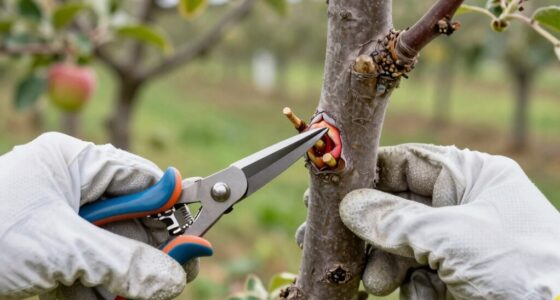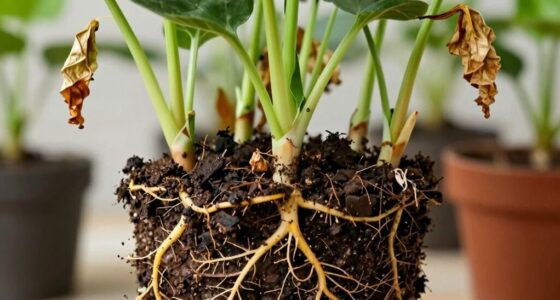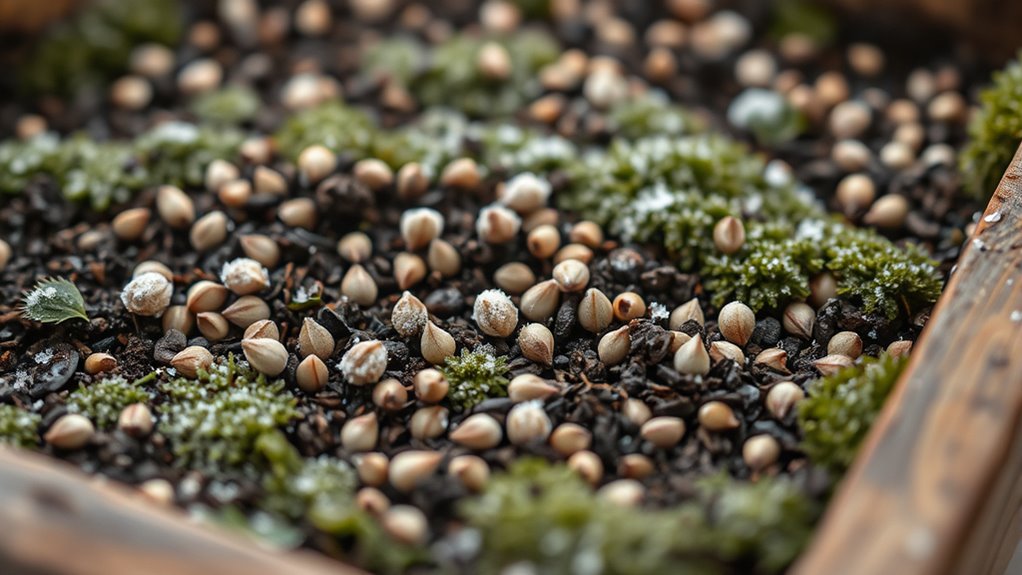
Seeds from plants native to temperate regions generally need cold stratification to break dormancy and promote germination. These seeds typically have hard coats and dormant embryos that require exposure to cold temperatures for several weeks, often in moist conditions. The cold period mimics winter, signaling to the seed that it’s time to sprout. If you want to learn which specific seeds need cold and how to prepare them, keep exploring further details.

Get garden gear delivered free with Prime
- Fast, free delivery on millions of items
- Prime Video, Amazon Music and more included
- Member-only deals all year
Key Takeaways
- Seeds from temperate climates, such as maples, oaks, and cherries, typically require cold stratification to break dormancy.
- Tropical and subtropical seeds, including palms and banana, generally do not need cold treatment for germination.
- Seeds with hard seed coats, like wild cherry or pawpaw, often need cold stratification to soften the coat and trigger sprouting.
- Seeds that naturally experience seasonal cold periods, such as many native trees and shrubs, usually require cold stratification.
- Seeds that are non-dormant or from tropical origins, like tomatoes or peppers, generally do not need cold stratification.
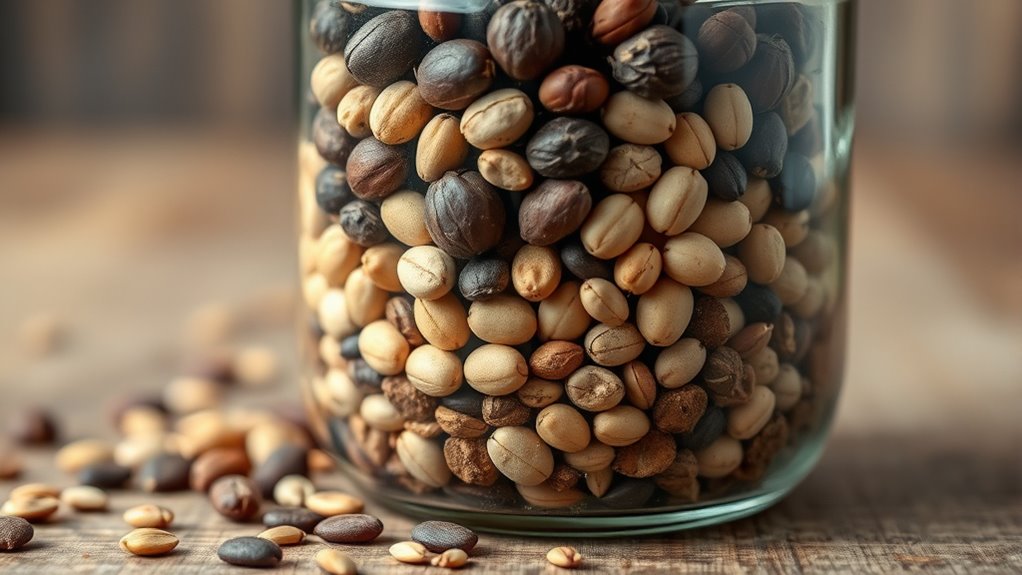
Seed stratification is a crucial process that helps guarantee successful germination for many plant species. When you understand this process, you realize that some seeds require a period of cold to break their natural dormancy. This dormancy is a survival tactic that plants have developed to avoid germinating during unfavorable conditions. Fundamentally, plant dormancy acts as a safeguard, ensuring that seeds only sprout when the environment is most supportive of growth. For many seeds, this period of dormancy is broken through exposure to cold temperatures, which signals the arrival of spring or the appropriate season for growth.
Seasonal variation plays a critical role in this process. In nature, seeds that need cold stratification typically come from plants that grow in regions with distinct seasons. These seeds have evolved to sense the temperature shifts that indicate winter has passed. When you plant seeds that require cold stratification, you’re mimicking this natural cycle to trick the seed into awakening from dormancy. Without this cold period, the seed’s internal mechanisms remain inactive, and germination is unlikely to occur. This is why understanding which seeds need cold treatment can improve your success rate and help you grow healthy, vigorous plants.
For many temperate climate plants, cold stratification isn’t optional; it’s necessary. These seeds often have a hard seed coat and a dormant embryo that needs cold exposure to activate. If you skip this step, you risk sowing seeds that stubbornly refuse to sprout, wasting time and effort. To give these seeds their needed cold treatment, you typically place them in a moist medium—like sand, peat, or soil—and keep them in the refrigerator for a specified period, often several weeks. This simulates winter conditions and allows the seed’s dormancy to lift naturally.
It’s important to note that not all seeds require cold stratification. Tropical plants and those native to regions with minimal seasonal variation often don’t need this process at all. Recognizing which seeds need cold treatment saves you from unnecessary steps and ensures your efforts are focused where they’re most effective. When you follow the proper stratification protocol, you’re fundamentally replicating natural seasonal cues, which signals to the seed that it’s time to break dormancy and begin germination. This process ultimately improves your success rate, leading to healthier seedlings and more vibrant gardens.
As an affiliate, we earn on qualifying purchases.
Frequently Asked Questions
How Long Should Seed Stratification Last for Different Species?
You should stratify seeds for different species based on their seed dormancy requirements, typically lasting from a few weeks to several months. For example, some temperate seeds need about 30-60 days of cold stratification, while others require up to 90 days or more. Proper stratification timing guarantees dormancy breaks effectively, promoting germination. Always check specific species guidelines to determine the ideal duration for successful seed germination.
Can Seed Stratification Be Skipped or Shortened?
You can sometimes skip or shorten seed stratification, but it’s like skipping a key step in a delicate dance—risking a slower or less reliable germination. Seeds with dormancy often rely on cold to trigger germination, awakening their potential. If you bypass this process, chances are you’ll miss the natural cues that tell seeds it’s time to grow, reducing success rates. For best results, follow species-specific stratification needs.
What Temperatures Are Ideal for Cold Stratification?
You should keep the temperature between 32°F and 41°F (0°C to 5°C) for cold stratification. During this process, maintain soil moisture to prevent the seeds from drying out, which helps break seed dormancy. Consistent cold temperatures mimic winter conditions, signaling seeds to prepare for germination. Check regularly to make sure the soil stays moist but not waterlogged, giving your seeds the best chance to sprout when conditions are right.
Are There Seeds That Require Warm Stratification Instead?
Yes, some seeds require warm stratification instead of cold to break dormancy. You’ll want to provide these seeds with warm stratification, usually around 68-86°F, for a specific period. This process mimics natural conditions in their native environments. Seeds that need warm stratification often come from plants that grow in warmer climates, and this step helps overcome seed dormancy, ensuring successful germination when conditions are right.
How Does Stratification Affect Germination Success Rates?
Stratification critically boosts your seed success by breaking seed dormancy and activating germination triggers. When you give seeds a cold or warm treatment, you mimic natural conditions, encouraging sprouting and strengthening seedlings. Without stratification, many seeds stay dormant, delaying or preventing growth. Proper stratification enhances germination rates, ensuring your planting efforts flourish with vibrant, vigorous plants. So, don’t skip this essential step—your garden’s growth depends on it!
As an affiliate, we earn on qualifying purchases.
Conclusion
Think of seed stratification as a winter nap for dreams waiting to sprout. Just like a bear hibernates through cold months to wake refreshed, seeds needing cold treatment lie in wait beneath the frost, ready to bloom when spring arrives. If you nurture them through this icy slumber, you’ll awaken a garden of new life. Embrace the chill—it’s nature’s gentle whisper, telling your seeds it’s time to grow.
refrigerator seed germination container
As an affiliate, we earn on qualifying purchases.
As an affiliate, we earn on qualifying purchases.
cold stratification seed packets
As an affiliate, we earn on qualifying purchases.
As an affiliate, we earn on qualifying purchases.
Fall Picks
fall essentials
As an affiliate, we earn on qualifying purchases.