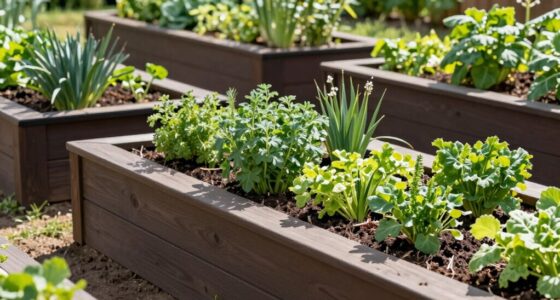
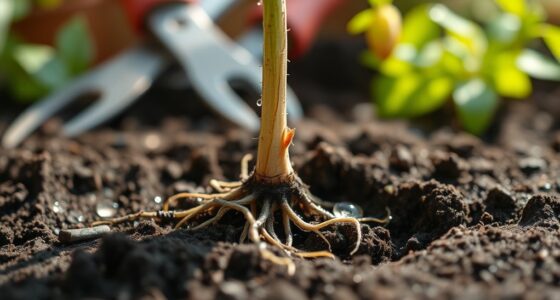
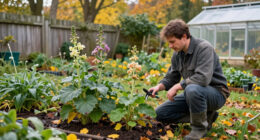
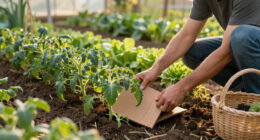
Bare-root plants need special care during their first week because their exposed roots are vulnerable to drying out and damage. You should keep the roots moist at all times, avoiding waterlogging, and plant them quickly in well-prepared soil that drains well but still retains moisture. Proper watering, soil preparation, and managing the environment help roots establish faster and reduce transplant shock. If you want to give your plants the best start, understanding how to care for them early on is essential.

Get garden gear delivered free with Prime
- Fast, free delivery on millions of items
- Prime Video, Amazon Music and more included
- Member-only deals all year
Key Takeaways
- Bare-root plants are more vulnerable to moisture loss and need careful watering to prevent dehydration.
- Their exposed roots require gentle handling and specific watering techniques during the first week.
- Proper soil preparation ensures optimal moisture retention and minimizes transplant shock for bare-root plants.
- They lack soil around roots, making consistent moisture and minimal disturbance crucial initially.
- Adjusting watering and soil conditions helps establish roots quickly and promotes healthy growth.

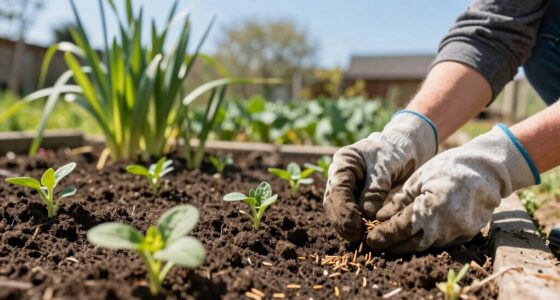
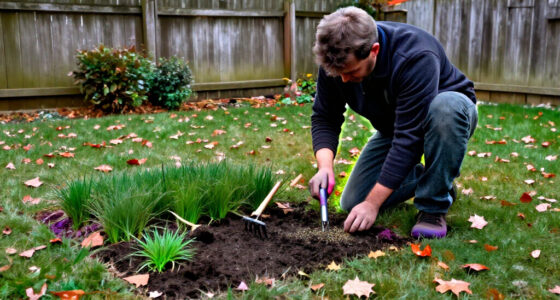
Starting with bare-root plants can be exciting, but their first week in the ground is essential for successful establishment. During this initial period, your main focus should be on creating the right environment for the plant to settle and grow. Soil preparation plays a key role here. Before planting, you want to confirm the soil is well-draining yet retains enough moisture to keep the roots hydrated. Loosen the soil to a depth of at least 12 inches and mix in organic matter like compost or aged manure. This boosts fertility and improves soil structure, giving your bare-root plant a healthy start. Remove any weeds or debris that could compete for nutrients or harbor pests. Proper soil preparation creates a supportive foundation, helping roots establish quickly and reducing transplant shock. Ensuring the soil has the right soil structure can significantly influence the plant’s ability to thrive early on. Additionally, understanding your soil’s drainage capacity can help prevent waterlogging and promote healthy root development. To further support healthy root growth, consider testing your soil’s pH levels to ensure optimal nutrient availability. Incorporating soil testing can help you fine-tune amendments for better plant health.
Once you’ve planted the bare-root, attention shifts to watering techniques. In the first few days, it’s crucial to keep the roots moist but not waterlogged. Water deeply and thoroughly, soaking the soil around the roots to encourage good contact and prevent air pockets. Using a slow drip or gentle spray can help distribute water evenly without disturbing the roots. During the first week, check the soil daily—especially if the weather is hot or windy—and water whenever the top inch feels dry. Consistent moisture is key to preventing the roots from drying out and to fostering root growth. Avoid overwatering, as soggy soil can lead to root rot, which is a common issue with bare-root plants if not managed carefully. Proper watering techniques, combined with good soil preparation, will help your plant establish a resilient root system.
As an affiliate, we earn on qualifying purchases.
Frequently Asked Questions
How Do I Identify Signs of Transplant Shock in Bare-Root Plants?
You can identify signs of transplant shock in bare-root plants by observing their root establishment and soil adaptation. Look for wilting, yellowing leaves, or stunted growth, which indicate the plant struggles to adapt. If the plant’s leaves droop or it shows slow new growth, it’s likely experiencing shock. These symptoms happen because the roots aren’t yet fully established or the plant is having trouble adjusting to its new soil environment.
Can Bare-Root Plants Be Planted in Any Season?
Planting bare-root plants is like catching a falling star; timing is everything. You shouldn’t plant them in just any season. Instead, focus on seasonal planting for the best results, with ideal timing in early spring or fall when the weather is cool and moist. These periods help the roots establish without stress, increasing your chances for healthy growth and a successful garden.
What Are Common Mistakes to Avoid During the First Week?
During the first week, avoid neglecting soil preparation and pest management. Make certain your soil is well-drained, nutrient-rich, and properly loosened to support root growth. Keep an eye out for pests, and apply appropriate controls gently to prevent damage. Don’t overwater or let the roots sit in water, which can cause rot. Regularly check the plant’s health, and adjust your care to assure a strong start for your bare-root plant.
How Often Should I Water Bare-Root Plants Initially?
Water your bare-root plants like a gentle rain, keeping the soil consistently moist but not soaked. Initially, you should water them every 1-2 days, especially if the weather is warm or windy. Proper soil preparation helps retain moisture, while root pruning encourages healthy growth. Check the soil’s moisture level regularly and adjust watering accordingly, ensuring the roots stay hydrated during this critical first week.
When Is the Best Time to Fertilize After Planting?
You should fertilize your bare-root plants about 4 to 6 weeks after planting, once they’ve established some growth. Fertilizer timing is essential because you want to give the soil nutrients time to settle and support root development. Use a balanced, water-soluble fertilizer to avoid burning new roots. Avoid fertilizing too early, as tender roots can be overwhelmed, so wait until the plant’s initial growth shows signs of strength.
As an affiliate, we earn on qualifying purchases.
Conclusion
In those vital first days, think of your bare-root plant as a delicate newborn, needing gentle care and patience. Give it time to settle in, like a traveler finding their footing, and you’ll see it thrive with a little extra attention. Remember, this initial week is the foundation of a strong, healthy plant—set it up right, and it’ll flourish like a well-tended garden bursting with life. Patience now pays off in beauty later.
As an affiliate, we earn on qualifying purchases.
As an affiliate, we earn on qualifying purchases.
Evergreen bestsellers Picks
bestsellers
As an affiliate, we earn on qualifying purchases.