TL;DR
A December gardening calendar recommends treating outdoor chores as optional and adapting them to local weather and garden conditions. Practical checks include stored bulbs and tubers, winter protection, bird feeders, compost and houseplants, while fallen leaves and dried stems can often remain in place.
A December gardening calendar recommends a lighter approach to outdoor work: gardeners can check winter protections and stored bulbs, but should leave many dormant beds undisturbed. The calendar says tasks should be adapted to local climate, weather and actual garden conditions, rather than treated as a fixed checklist.

Get garden gear delivered free with Prime
- Fast, free delivery on millions of items
- Prime Video, Amazon Music and more included
- Member-only deals all year
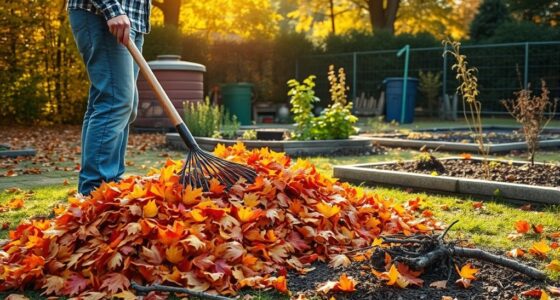
According to the December calendar, gardeners may still be able to harvest carrots, parsnips, leeks and Brussels sprouts where the soil remains accessible. Harvesting becomes harder once the ground is deeply frozen or covered by thick snow. The calendar advises leaving fallen leaves, healthy plant residues and mulch on the soil where appropriate, and says there is no need to pull out roots simply to make beds look tidy; they will gradually decompose.
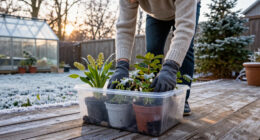
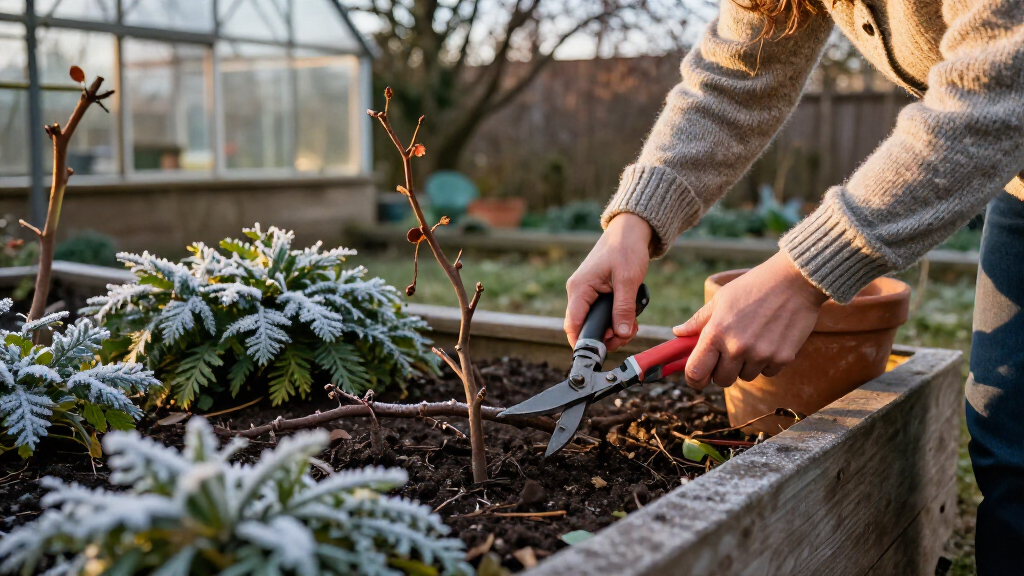
For ornamental gardens, the calendar suggests checking that any needed winter protection is secure and does not harm branches. It notes that hardy plants generally do not need wrapping, while plants in containers may need extra protection because their roots are more exposed to cold than roots in the ground. The calendar also recommends checking stored dahlias, cannas, gladioli and other tender plants for rot or shrivelling. It says lightly moistening them may be needed if storage conditions are too dry.
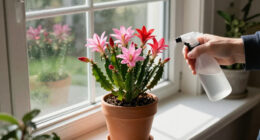
The calendar recommends checking bird feeders and barriers against hares and voles, and keeping dry leaves near the composter to cover kitchen scraps. It notes that cold weather slows decomposition and may temporarily stop it. For indoor plants, the calendar says houseplants may receive less light than in summer, while heating can make the air dry, and suggests giving them attention. It also encourages gardeners to review the past season and inventory seeds before ordering more.
A Relaxed Gardener’s Guide to December Tasks
December garden tasks are reminders, not requirements. Check what needs attention, then let dormant beds rest when local conditions allow.
Check what needs care
A few targeted checks can prevent avoidable winter problems.
Inspect bulbs and tubers
Check dahlias, cannas and gladioli for rot or shrivelling. Lightly moisten them if storage is too dry.
Secure vulnerable plants
Check protection and container plants. Pot roots face more cold exposure than roots in the ground.
Check feeders and barriers
Inspect bird feeders and barriers against hares and voles.
Leave suitable beds undisturbed
A less tidy garden can protect soil and support wildlife through winter.
- Fallen leaves and dried stems
- Healthy plant residues and mulch
- Roots that can decompose in the soil
- Remove stored bulbs showing rot
- Repair protection that is damaged
- Skip bed work where snow already covers the garden
Let weather guide the work
December may feel like autumn or deep winter, depending on the region.
Harvest carrots, parsnips, leeks and Brussels sprouts only where soil remains reachable.
Consider hardiness, containers, frost, snow and local conditions before adding protection.
When no intervention is needed, let dormant outdoor plants rest.
Use quiet time indoors
A little observation and informal planning can help prepare for the next season.
| Check | Why it matters |
|---|---|
| Houseplants | Winter brings less light and drier air from heating. |
| Compost | Keep dry leaves nearby to cover kitchen scraps; cold slows decomposition. |
| Seeds and notes | Inventory seeds and note what worked before ordering more. |
A Seasonal Case for Doing Less
The calendar’s guidance matters because December garden work can easily become a matter of habit rather than need. It says fallen leaves and dried stems can remain in suitable areas to help protect soil and provide shelter for insects, while seeds can remain available to birds. The calendar presents a less tidy-looking garden not as neglect, but as a place where wildlife and soil life can spend winter.
At the same time, the calendar recommends a short set of checks to help prevent avoidable problems. Stored bulbs or tubers showing rot can be removed, and damaged protection around vulnerable plants can be corrected. It also notes that container roots may face more exposure to cold than plants in the ground. The approach is selective: check what needs attention, then leave the rest alone.
For gardeners planning next season, the calendar suggests using quieter winter days to note which crops performed well, which took up too much space and what seeds remain. These are optional planning steps, not urgent December deadlines.
Products Worth Considering

Weber Spirit E-425 4-Burner Propane Gas Grill, Black

Husqvarna 435i 16-Inch Battery Chainsaw with 7.5 Ah Battery and Charger

EGO POWER+ 56V Cordless Leaf Blower with 5.0Ah Battery, 765 CFM (LB7654)
As an affiliate, we earn on qualifying purchases.
December Depends on Local Conditions
The December calendar explicitly treats its recommendations as reminders rather than obligations. It notes that December can still feel like autumn in some regions and already be deep winter in others. Soil access, snow cover, frost and the needs of individual plants all affect what is practical.
That distinction shapes the calendar’s advice throughout. Harvesting is possible only where soil can still be reached; protection depends on a plant’s hardiness, its container and the local climate. The calendar says that if snow already covers a garden, there may be no reason to intervene in beds. It also recommends observing winter features such as evergreen foliage, colourful dogwood stems, persistent berries, cones and frost-covered ornamental grasses, then noting any gaps to address next year.
Tasks Vary With Weather and Garden
The December calendar does not give a single schedule that applies to every region, nor does it specify temperatures or dates for individual chores. Local conditions remain the deciding factor, including whether soil is frozen, whether snow has accumulated and how plants are stored or protected.
The calendar also does not provide detailed instructions for every plant or pest situation. Gardeners will need to judge whether a particular plant is vulnerable, whether a container needs protection and whether stored bulbs are too dry or showing rot. The supplied source material ends during its compost advice, so any further compost recommendations beyond those stated are not confirmed here.
Check, Record and Revisit in January
Following the calendar’s recommendations, gardeners can inspect feeders, animal barriers, winter protection, container plants and stored bulbs, then make only the changes their conditions call for. The calendar says kitchen scraps can still go into the compost, with dry leaves available to cover them; a suitable cover may help limit excess moisture where precipitation reaches the composter.
The calendar suggests keeping planning informal: take stock of remaining seeds and jot down notes about the past season without starting a full planting plan. It points toward January for the next round of garden planning, while its immediate message for December is to let dormant outdoor plants rest when no intervention is needed.
Key Questions
Do I need to tidy every garden bed in December?
No. The December calendar says fallen leaves and dried stems can often remain, where they help protect soil or provide shelter and food for wildlife. Adapt that choice to your garden and local conditions.
What vegetables might still be ready to harvest?
According to the December calendar, gardeners may still harvest carrots, parsnips, leeks and Brussels sprouts where the soil remains accessible. Deeply frozen ground or thick snow can make harvesting difficult.
What should I check in stored bulbs and tubers?
The calendar recommends inspecting stored dahlias, cannas, gladioli and other tender plants for rot or shrivelling. It says lightly moistening them may be necessary if storage conditions are too dry.
Do container plants need winter protection?
The calendar says it depends on the plant’s hardiness, the container and the local climate. Container roots are more exposed to cold than roots in the ground, so check whether the pot needs protection.
What can I do for the garden indoors?
The calendar recommends checking houseplants, which may get less light and drier air during winter heating, and sorting seed packets before buying more. It also suggests keeping dry leaves near the composter to cover kitchen scraps.
Source: laidbackgardener.blog