
TL;DR

Get garden gear delivered free with Prime
- Fast, free delivery on millions of items
- Prime Video, Amazon Music and more included
- Member-only deals all year
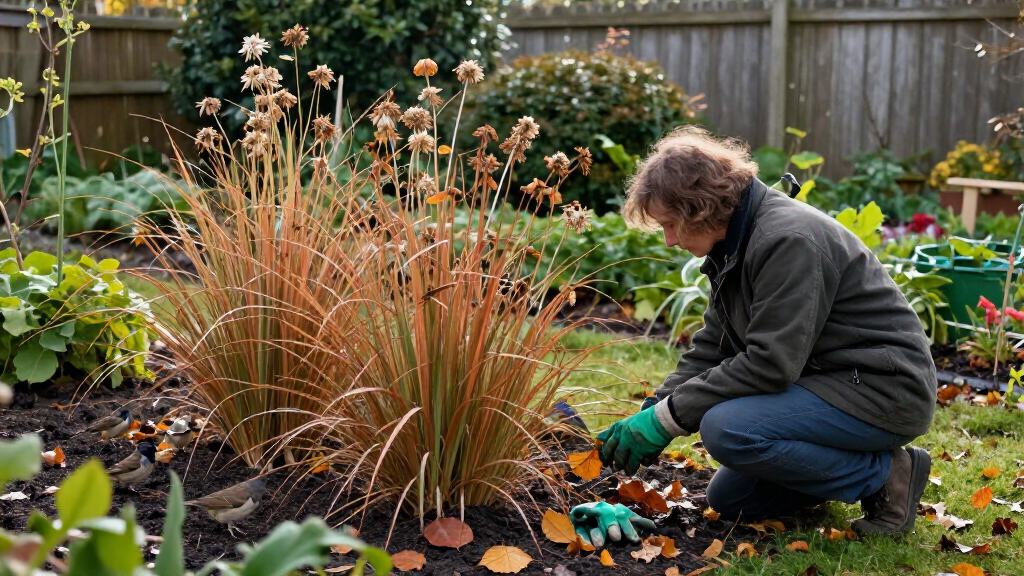
Garden experts cited by Homes & Gardens recommend leaving coneflowers standing through fall and winter rather than deadheading them in October. Seedheads can feed birds and small mammals, while stems and plant debris offer habitat and add structure to winter borders; major cleanup is generally better delayed until spring.
A Homes & Gardens report advises gardeners to leave coneflowers standing in October instead of deadheading them, because their seedheads can provide food for birds and small mammals while their stems offer shelter and winter structure. The guidance, based on comments from gardening and wildlife experts, recommends postponing major cleanup until spring in most cases.
As coneflower petals fade, the raised central cones harden and develop seeds. Kelly Funk, president and CEO of Jackson & Perkins, described the dried cones as a natural winter feeding station for birds, while the standing plants preserve height and texture in borders after much of the garden has gone dormant. The report names chickadees, blue jays, cardinals and finches among birds that may visit.
Ben Rotteweel, co-owner of Dutch Grown, said the seeds offer birds a food source and described American goldfinches picking seeds from the stems. The report also cites horticulturalist Nikki Bruner, who said mice, squirrels and chipmunks gather coneflower seeds. These are expert observations about wildlife use, not a guarantee that particular animals will visit every garden.
Leaving plants intact can also retain habitat. Rotteweel said standing cones may insulate the plant crown, and that hollow or pithy stems can provide overwintering space for native bees. He also noted that plant debris can shelter predatory insects such as lacewings and lady beetles. In addition to these possible benefits, intact seedheads create sculptural shapes and winter texture, especially when paired with grasses.
How Standing Plants Support Wildlife
Delaying the autumn cutback preserves resources that disappear when garden beds are cleared: seeds for wildlife, potential shelter in stems and debris, and visible structure through the colder months. The advice offers a practical way for gardeners to make a small change to seasonal maintenance while retaining interest in borders after flowering ends.
The recommendation is not that every plant should always be left untouched. The report presents leaving coneflowers as a general practice, alongside exceptions for damaged or diseased plants. For gardeners who value a tidier appearance, it also describes a compromise: trim storm-damaged plants to 12 to 18 inches and leave the cut material in place as mulch or move it to a less visible area, following the advice attributed to Mary Phillips of the National Wildlife Federation.
Products Worth Considering

Rachio 3 Smart Sprinkler In-Ground WiFi Irrigation Controller, 8-Zone

Orbit B-hyve XR 8-Zone Indoor/Outdoor Smart Sprinkler Controller

Garvee 6 x 10 ft Polycarbonate Greenhouse with Aluminum Frame
As an affiliate, we earn on qualifying purchases.
From October Cleanup to Spring Pruning
Coneflowers, also known as Echinacea, are late-summer and fall perennials with distinctive raised centers. Their flowers attract pollinators while blooming; after petals fade, the centers develop into seedheads. The report’s recommendation is to treat those seedheads as part of the garden’s autumn and winter habitat rather than as a reason for immediate pruning.
Phillips, head of Native Plant Habitat & Certifications at the National Wildlife Federation, said spring is generally the best time for major cleanup. She advised waiting until daytime temperatures are consistently above 50°F for at least seven consecutive days, allowing overwintering wildlife time to emerge. This is guidance attributed to Phillips, not a universal calendar date: local weather and conditions will vary.
“The dried cones become a natural feeding station for birds through winter.”
— Kelly Funk, president and CEO of Jackson & Perkins
When Leaving Plants Is Not Suitable
The report does not quantify how much food or shelter coneflowers provide, or how wildlife use may vary by location, plant variety and garden conditions. Its descriptions of animal visitors and overwintering habitat are attributed to experts; they do not establish that all coneflowers will attract the same species.
There are also exceptions to delaying cleanup. The source mentions storm damage and disease, including aster yellows and powdery mildew, as reasons a gardener may need to remove or trim plants. Its supplied text ends before giving the full advice on aster yellows, so the specific recommended response is not established here. Gardeners should not treat the general leave-it-standing advice as applying to plants showing signs of disease.
Plan a Gradual Spring Cleanup
For healthy coneflowers, the guidance is to keep seedheads and stems through fall and winter, then assess the beds in spring. Phillips’s temperature benchmark offers one cue for beginning major cleanup, but gardeners should take local conditions into account and avoid disturbing wildlife that may still be sheltering in plant material.
If plants are damaged or visibly diseased, the report allows for selective trimming rather than an automatic full-bed cutback. Gardeners can leave suitable cut stems and foliage as mulch or move them out of prominent view. The report does not provide a further scheduled update; its advice is seasonal guidance for fall maintenance and spring pruning.
Key Questions
Should I deadhead coneflowers in October?
The report’s experts generally advise leaving healthy coneflowers standing through fall and winter so seeds remain available and stems can provide habitat and structure.
Which animals may use coneflower seedheads?
The report names birds including finches, chickadees, blue jays and cardinals, as well as small mammals such as mice, squirrels and chipmunks. Wildlife visits will depend on local conditions.
When should coneflowers be cut back?
Mary Phillips of the National Wildlife Federation says spring is generally best for major cleanup, after daytime temperatures stay above 50°F for seven consecutive days.
Can I trim coneflowers damaged by a storm?
Yes. The report says storm-damaged plants in visible areas can be trimmed to 12 to 18 inches, with the cut stems and foliage left as mulch or moved to a less visible spot.
Are there reasons to remove coneflowers before spring?
The report identifies disease and storm damage as exceptions to leaving plants intact. Its available text does not give complete instructions for dealing with aster yellows, so it does not establish a specific treatment.
Source: rss