TL;DR
Master gardener Rhonda Fleming Hayes recommends planting alliums, anemones, calla lilies and six other bulbs this fall for spring flowers deer tend to avoid. She cautions that deer may still eat resistant plants, especially when drought or habitat loss limits their food.
Master gardener Rhonda Fleming Hayes recommends nine kinds of spring-flowering bulbs that deer tend to avoid, offering gardeners fall planting options beyond tulips. The list includes daffodils, alliums and snowdrops, but Hayes cautions that “deer-resistant” does not mean deer-proof: animals may eat these plants when conditions such as drought or habitat loss limit available food. For more fall planting ideas, see plants to plant in fall.

Get garden gear delivered free with Prime
- Fast, free delivery on millions of items
- Prime Video, Amazon Music and more included
- Member-only deals all year
In a report for Country Living, Hayes, author of Garden for Life: Strategies for Easier, Greener, More Joyful Gardening as We Age and publisher of The Garden Buzz on Substack, says she takes deer into account when choosing bulbs. She recommends allium, anemone (blanda), calla lily, daffodil, fritillaria, Galanthus (snowdrop), grape hyacinth, Siberian squill (Scilla) and winter aconite. Gardeners can also explore these spring flower bulbs for colorful gardens.
The plants’ defenses vary. Hayes says deer tend to dislike the strong odor and flavor of alliums, the bitter taste of anemones and the musky or skunky smell of grape hyacinths and fritillaria. Daffodils and Siberian squill contain alkaloids; snowdrops and winter aconite contain toxic compounds, according to the report. Calla lilies are described as highly toxic. These explanations concern why deer may avoid the plants; the report does not provide a guarantee of safety for people or pets.
Hayes advises against planting tulips where deer regularly visit, though gardeners looking for other fall-planted options can consider flower bulbs for spring color. She says tulips lack the toxic alkaloids and unpleasant flavors or aromas that deter deer from the other bulbs. Gardeners who still want tulips could try growing them in window boxes or containers close to the house, which Hayes says might make them less accessible to deer.
Choosing Bulbs Deer Often Avoid
Fall bulb choices can shape a garden’s spring display, and browsing deer can undo that work by eating newly planted bulbs or shoots. Hayes’s list gives gardeners nine alternatives to tulips that may be less attractive to deer, helping them plan for color while taking local wildlife pressure into account.
The distinction matters: these are resistant, not immune. The recommendations may reduce the risk of damage, but they cannot promise that a planting will survive. Gardeners should weigh the plants’ likely appeal to deer against local conditions and their own preferences rather than treating the list as a foolproof deterrent.
Products Worth Considering

Orbit B-hyve XR 8-Zone Indoor/Outdoor Smart Sprinkler Controller

Husqvarna 542i XP 16-Inch Battery-Powered Chainsaw

Greenworks 24V Cordless Brushless Leaf Blower, 515 CFM, 130 MPH, with 5.0Ah Battery and Charger
As an affiliate, we earn on qualifying purchases.
Why Tulips Are a Riskier Choice
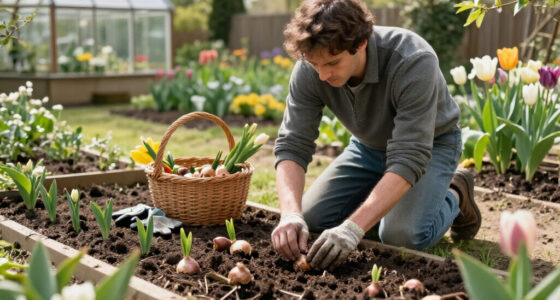
Spring-flowering bulbs are planted in fall so they can produce flowers in a later season. Hayes’s advice focuses on the challenge of choosing bulbs in gardens visited by deer, which she says are an issue for many gardeners, including herself. Her suggested alternatives are grouped by the traits that may put deer off: odor, bitter taste or plant compounds.
Tulips are a popular spring flower, but Hayes says their lack of those deterrent traits makes them a less suitable choice in yards where deer frequently feed. Her proposed workaround—containers or window boxes near the house—is a suggestion, not a guarantee that deer will stay away.
“I always consider deer when I plant spring-blooming bulbs. I don’t want to waste my money, time, or energy.”
— Rhonda Fleming Hayes, master gardener, as quoted by Country Living
Resistance Is Not a Guarantee
The report does not quantify how often deer eat each of the nine recommended bulbs or compare their resistance under controlled conditions. Hayes’s list reflects gardening advice, and local deer behavior may differ. Food availability, drought and habitat loss can affect what deer eat, according to her.
The article also does not specify planting depths, exact planting dates or whether particular varieties perform differently. Its statements about toxicity are not a full assessment of risk to people, children or pets. Gardeners should check reliable plant-safety guidance before planting where children or animals may reach the bulbs, especially those described as toxic.
Plan Fall Planting Carefully
Gardeners can use Hayes’s recommendations to select bulbs for fall planting, with the understanding that deer may still browse them. Those set on growing tulips can try containers or window boxes near the home, the workaround Hayes suggests, while recognizing it may not prevent damage.
The report does not announce a follow-up study or provide a later test of these recommendations. For now, the practical next step is to choose bulbs suited to the garden and monitor what deer actually eat; the source offers no guarantee that any one selection will remain untouched.
Key Questions
Which bulbs does Rhonda Fleming Hayes recommend?
Hayes recommends allium, anemone (blanda), calla lily, daffodil, fritillaria, snowdrop, grape hyacinth, Siberian squill and winter aconite.
Are deer-resistant bulbs deer-proof?
No. Hayes says deer may eat plants labeled resistant, including during drought or habitat loss when food is less available.
Why does Hayes advise against tulips?
She says tulips lack the toxic alkaloids, unpleasant flavors or strong aromas that may deter deer from the other bulbs. She suggests trying them in window boxes or containers close to the house.
When should these bulbs be planted?
The recommendations are for fall planting ahead of spring flowering. The source does not give specific dates or planting instructions for each bulb.
Are the listed bulbs safe for children and pets?
The report describes some bulbs as toxic but does not provide a full safety assessment. Check reliable plant-safety information before planting where children or pets may have access.
Source: countryliving.com