
TL;DR

Get garden gear delivered free — and shop member deals
- Fast, free delivery on millions of items
- Access to Prime Big Deal Days deals on October 6–7
- Prime Video, Amazon Music and more included
Gardening Know How’s October lemon-tree advice lists six tasks: harvest ripe fruit, reduce watering, remove rootstock suckers, check for pests, move potted trees indoors near 40°F (4°C) nighttime temperatures, and prepare frost covers for outdoor trees. The guidance is seasonal gardening advice, not a report of a new scientific finding; local weather and growing conditions affect what each tree needs.
Gardening Know How has outlined six October jobs for lemon-tree growers, focusing on harvesting fruit that is ready, adjusting watering, checking for pests and preparing trees for cold weather. The advice matters as lemon trees are described as among the least cold-hardy citrus, though the timing of indoor moves or frost protection depends on local temperatures and whether a tree is planted in the ground or a pot.
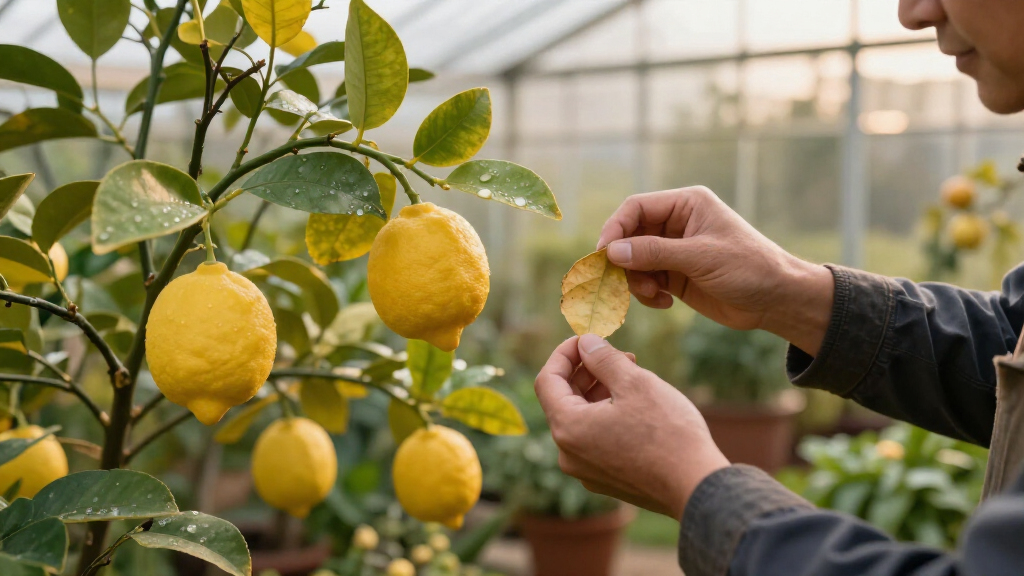
The guide says October fruit may be at different stages, from hard green lemons to fruit ready to pick. It cautions that color alone does not establish ripeness: a ripe lemon may retain some green, while a yellow one may not yet have enough juice. Heavier fruit that remains firm but yields slightly to pressure, along with a fresh, sweet smell from the peel, can help indicate readiness. The guide recommends cutting lemons with hand pruners rather than pulling them, and leaving sour, unripe fruit on the tree because lemons do not continue ripening after harvest.
As temperatures cool, the article advises reducing irrigation because soil stays wet longer and a tree with formed fruit uses less moisture than during summer. It says growers in rainy areas may be able to stop watering, but conditions vary. The guide also recommends removing suckers that grow from rootstock below the graft union, while avoiding broader fall pruning that could prompt tender growth vulnerable to cold.
Before bringing a potted tree indoors, growers are advised to inspect it for signs of scale, mealybugs and spider mites. The source describes sticky leaves and ants as possible signs of scale or mealybugs, and suggests tapping a branch over white paper to check for moving mites. It recommends moving potted trees inside when nighttime temperatures approach 40°F (4°C), placing them near a south-facing window with at least six hours of sun and away from heating vents. For outdoor trees, it says to have frost covers ready; the supplied source text ends before giving the full cover instructions.
Preparing Lemons for Cold Nights
These tasks address two related risks: fruit may still be ripening as temperatures fall, and cold can damage leaves, fruit and new growth. Harvesting only fruit that is ready avoids picking lemons too early, while adjusting water for cooler conditions can reduce the chance of keeping soil too wet. The guide’s temperature cue also gives owners of container trees a practical point at which to consider moving them, rather than waiting for a frost warning.
Indoor moves can create a separate pest concern. In the source’s account, pests that were limited outdoors by weather and predators may spread after a tree is brought into a sheltered space. Inspection before the move can help growers spot problems early and avoid carrying an infestation indoors. These are practical recommendations from a gardening publication; the material provided does not establish that every lemon tree needs the same schedule or treatment.
As an affiliate, we earn on qualifying purchases.
Why October Care Changes
Lemon trees are sensitive to cold compared with hardier citrus, and October can bring cooler nights while fruit remains on the branches. The source says ordinary needs such as full sun and good drainage remain, but growers should also begin preparing for winter. Trees in pots face added exposure because their roots are less insulated from cold than roots in the ground.
The article addresses both indoor and outdoor winter plans. For container trees, it gives a nighttime threshold of about 40°F (4°C) as a prompt to move indoors. For trees staying outside, it calls for advance preparation with frost covers. The source supplied here does not include its complete directions for protecting an outdoor tree, so those details cannot be reported from this material.
““Color isn’t a good way to tell if a lemon is ripe.””
— Gardening Know How
As an affiliate, we earn on qualifying purchases.
Weather and Treatment Details Vary
The source does not provide a publication date, regional forecast or growing-zone-specific calendar. Its temperature cue is presented as general guidance, and the right timing can vary with local conditions, the tree’s location and whether it is potted or planted in the ground. The material also does not specify how much to reduce watering for different soils or climates.
The supplied text ends partway through the section on frost covers, so it does not confirm the recommended cover material, installation method or duration. It mentions neem oil and other pest-control steps, but does not provide product-label instructions in the supplied excerpt. Growers should follow the label for any pesticide used and take precautions to protect people, pets and edible fruit.
As an affiliate, we earn on qualifying purchases.
Watch Temperatures and Fruit
For October, the guide’s next steps are to assess fruit before harvesting, check soil before watering and inspect foliage and stems for pests. Owners of potted trees can monitor nighttime temperatures and plan an indoor location that provides the stated sunlight while avoiding heating vents. Those keeping trees outside should prepare frost protection before cold weather arrives.
As winter approaches, the decisions will depend on actual local temperatures and the tree’s condition. The source offers seasonal prompts rather than a fixed care calendar; it does not report a new forecast, research finding or follow-up date.
As an affiliate, we earn on qualifying purchases.
Key Questions
How can I tell whether a lemon is ready to pick?
Color is not a reliable test on its own. Gardening Know How says ripe lemons tend to feel heavy for their size, remain firm but yield slightly to pressure, and smell fresh and sweet when the peel is lightly scratched. Cutting and tasting the fruit is the surest check described in the guide.
Should I water a lemon tree as often in October?
The guide recommends reducing watering as the weather cools, because soil stays wet longer and the tree uses less moisture after fruit has formed. Check conditions before watering; the source says growers in rainy areas may be able to stop irrigating, but does not set a universal schedule.
When should I bring a potted lemon tree indoors?
Gardening Know How suggests taking action when nighttime temperatures approach 40°F (4°C), rather than waiting for frost to be forecast. It recommends a south-facing window with at least six hours of sunlight and a position away from heating vents.
Can I prune my lemon tree in October?
The guide advises against general fall pruning because it may prompt tender new growth vulnerable to cold. It does recommend removing suckers growing from rootstock below the graft union.
What should I check before moving the tree indoors?
Inspect the tree for possible scale, mealybugs and spider mites before bringing it inside. The source identifies sticky leaves and ants as possible pest clues and describes tapping a branch over white paper to look for moving mites. Follow product labels and safety directions if using a pest-control treatment.
Source: rss
Halloween Picks
halloween
As an affiliate, we earn on qualifying purchases.