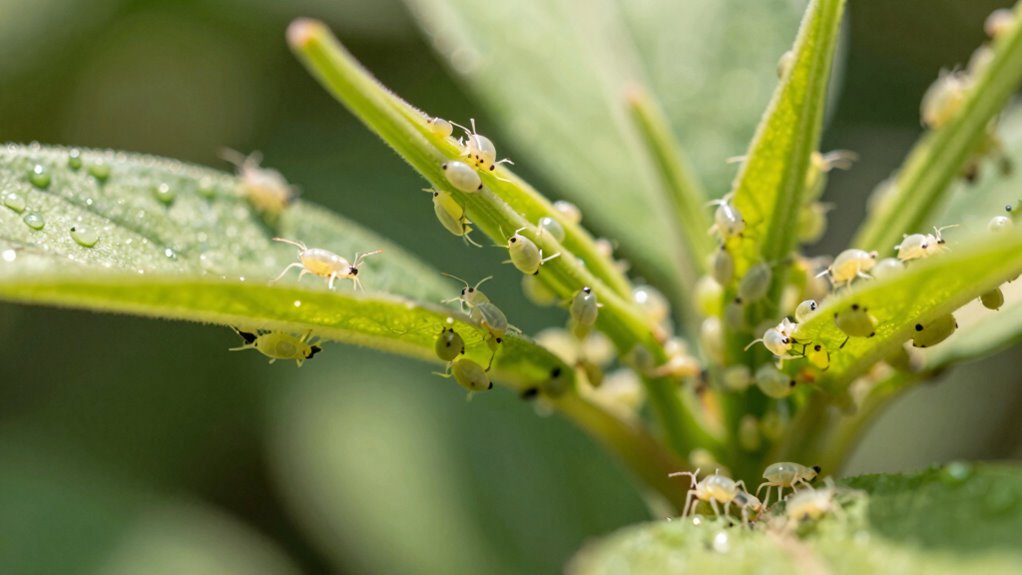

When your plants grow quickly and produce tender new shoots, it creates the perfect storm for aphids to explode in numbers. These soft, lush growths attract aphids that feed on sap, especially in warm, humid conditions that speed up their reproduction. To manage this, you can introduce natural predators, use organic remedies, or monitor closely for early signs. Keep going to discover more effective ways to control these pests before they get out of hand.

Get garden gear delivered free — and shop member deals
- Fast, free delivery on millions of items
- Access to Prime Big Deal Days deals on October 6–7
- Prime Video, Amazon Music and more included
Key Takeaways
- Rapid, tender growth produces juicy shoots that attract aphids feeding on sap.
- Warm temperatures and high humidity accelerate aphid reproduction during fast growth periods.
- New, succulent shoots provide ideal feeding sites, leading to sudden aphid population surges.
- Quick plant growth creates optimal conditions for aphid multiplication and outbreaks.
- Monitoring and early intervention are essential to prevent minor infestations from escalating.
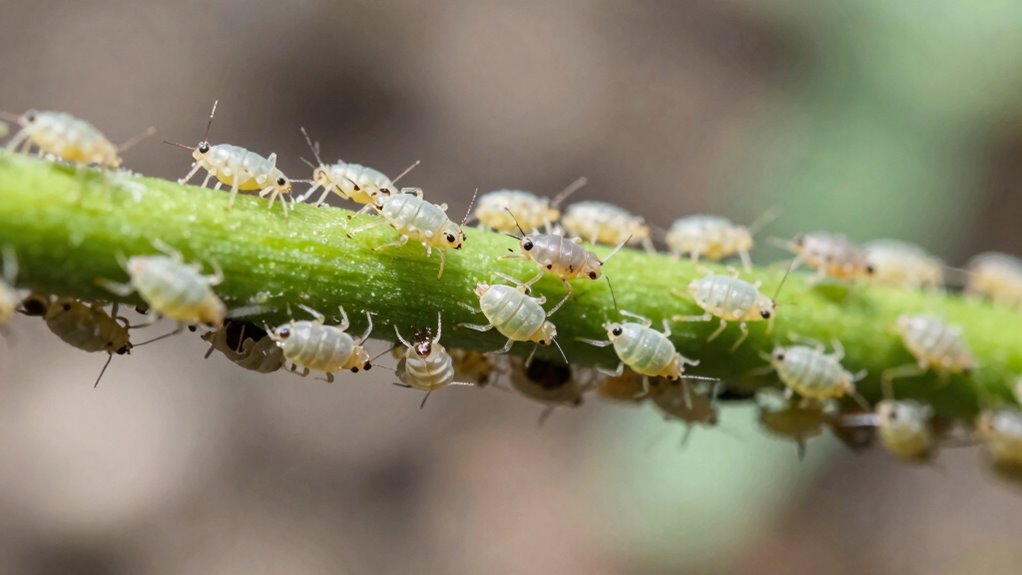
Have you ever noticed a sudden surge of aphids on your plants after rapid, soft growth periods? It’s a common scenario in gardening, especially when your plants are thriving and putting out fresh, tender shoots. During these times, aphids seem to appear overnight, quickly colonizing your plants and causing concern. This explosion of pests often feels like an unstoppable invasion, but understanding why it happens is the first step to controlling it. When plants grow rapidly and produce soft, succulent new growth, they become especially attractive to aphids, who feed on sap and thrive on this tender tissue. The rapid growth creates an ideal environment for these tiny pests to multiply, often leading to an overwhelming infestation in a short span of time. Additionally, the presence of environmental factors such as warm temperatures and high humidity can further accelerate aphid reproduction rates, making management even more crucial during certain seasons. Recognizing these environmental influences can help you better time your intervention strategies. Proper monitoring techniques can help detect early signs of aphid activity before infestations become unmanageable.
To manage these outbreaks effectively, you should consider natural predator control. Ladybugs, lacewing larvae, and parasitic wasps are some of the most effective predators that help keep aphid populations in check naturally. Introducing or encouraging these beneficial insects in your garden can significantly reduce aphid numbers without resorting to chemical pesticides. For instance, planting nectar-rich flowers such as dill, fennel, or marigolds attracts these helpful predators, creating a balanced ecosystem where pests are naturally kept under control. This approach not only rids your plants of aphids but also promotes overall garden health. Creating a balanced garden ecosystem can enhance natural pest control and reduce the need for intervention.
In addition to natural predators, organic pest remedies provide a safe and eco-friendly way to combat aphid infestations. One effective method is a strong jet of water, which dislodges aphids from the plant surface. You can also mix insecticidal soap or neem oil into your routine, applying them directly onto the affected areas. These organic solutions disrupt the aphids’ cell membranes and interfere with their feeding, leading to quick reduction in their numbers. Remember to apply these remedies during cooler parts of the day to prevent plant stress and ensure maximum effectiveness. Keeping pest management practices consistent can prevent small problems from becoming major infestations. Regular monitoring and early intervention are key components of effective and sustainable pest control.
natural aphid predator insects for garden
As an affiliate, we earn on qualifying purchases.
As an affiliate, we earn on qualifying purchases.
Frequently Asked Questions
How Do Aphids Detect New Plant Growth?
You can see aphids detect new plant growth through plant signaling and chemical detection. They sense changes in the plant’s chemical signals, like increased levels of specific compounds released during growth. Aphids use their antennae and mouthparts to pick up these chemical cues, allowing them to locate fresh, nutritious shoots quickly. This efficient detection helps them colonize new growth fast, ensuring their survival and reproduction.
Are Certain Plant Species More Vulnerable to Aphid Infestations?
Yes, certain plant species are more vulnerable to aphid infestations due to lower plant resistance. You’ll often notice infestation indicators like curled leaves, sticky honeydew, or distorted growth on susceptible plants. Plants with tender new growth or less robust defenses attract aphids more easily. To protect your garden, monitor these indicators closely and consider resistant plant varieties, which can help reduce the risk of severe infestations.
Can Aphids Spread to Indoor Plants From Outdoor Gardens?
Yes, aphids can hitch a ride from outdoor gardens to your indoor plants, acting like sneaky visitors. These indoor plant pests often come in on newly purchased or shared plants, making garden aphid control essential. To prevent infestations, inspect outdoor plants carefully before bringing them inside, and regularly check your indoor greenery for signs of pests. Staying vigilant helps keep your indoor oasis healthy and bug-free.
What Natural Predators Help Control Aphid Populations?
You can control aphid populations naturally through biological pest control by encouraging natural predator diversity in your garden. Ladybugs, lacewing larvae, and parasitic wasps are effective predators that prey on aphids, helping keep their numbers in check. By creating a habitat that attracts these beneficial insects, you support a balanced ecosystem and reduce the need for chemical treatments, making your garden healthier and more resilient.
How Does Climate Change Influence Aphid Outbreaks?
Climate change influences aphid outbreaks by creating warmer, more unpredictable conditions that favor their rapid reproduction. This can lead to more frequent and severe infestations, especially if you don’t adopt climate adaptation strategies. Planting aphid resistant crops helps minimize damage and reduces reliance on chemical controls. Staying vigilant and adjusting your pest management practices in response to changing weather patterns can effectively control aphid populations and protect your crops.
As an affiliate, we earn on qualifying purchases.
Conclusion
As you watch the aphids swarm like an unchecked tide after a burst of soft, rapid growth, remember this dance of nature’s balance. Just as storms follow calm, this explosion hints at the delicate ebb and flow of ecosystems. Stay vigilant, for every thriving bloom can turn into a buzzing battleground. Embrace the chaos, knowing it’s all part of nature’s intricate, ever-changing symphony—where growth and chaos dance hand in hand.
As an affiliate, we earn on qualifying purchases.
beneficial insects for aphid control
As an affiliate, we earn on qualifying purchases.
As an affiliate, we earn on qualifying purchases.
Halloween Picks
halloween
As an affiliate, we earn on qualifying purchases.