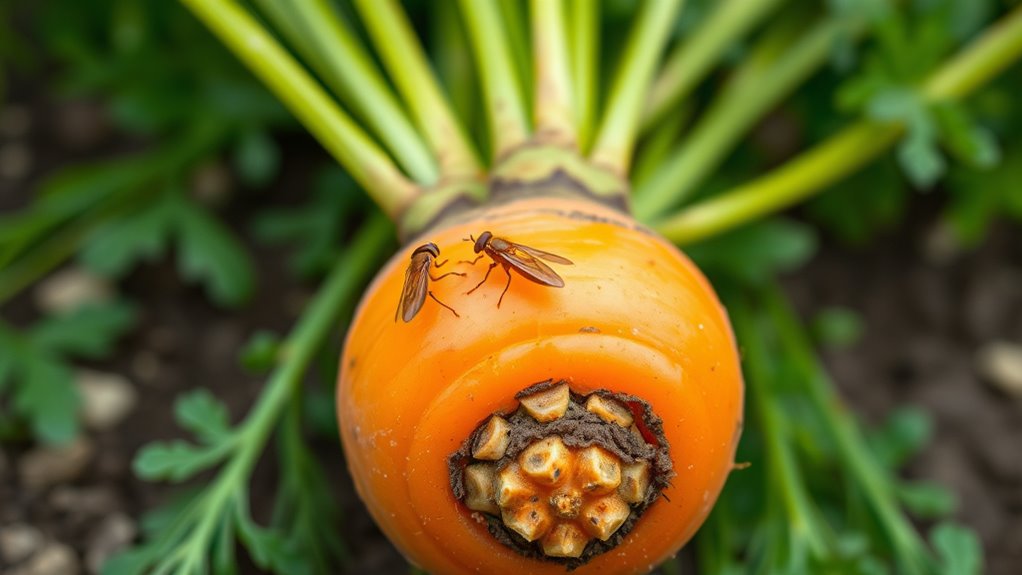
The carrot rust fly is a tiny insect that lays eggs at the base of your carrot plants, with larvae burrowing into roots and causing damage. You can identify it early by watching for distorted or rotting roots. To prevent infestations, use physical barriers like fine mesh covers and practice crop rotation. Introducing natural predators such as parasitic wasps and maintaining garden cleanliness can also help. For more effective strategies, keep exploring how to protect your garden from this pest.

Get garden gear delivered free with Prime
- Fast, free delivery on millions of items
- Prime Video, Amazon Music and more included
- Member-only deals all year
Key Takeaways
- Carrot rust fly is a tiny insect that lays eggs at the base of carrot plants, with larvae causing root damage.
- Early signs include small, discolored, or deformed roots, indicating potential infestation.
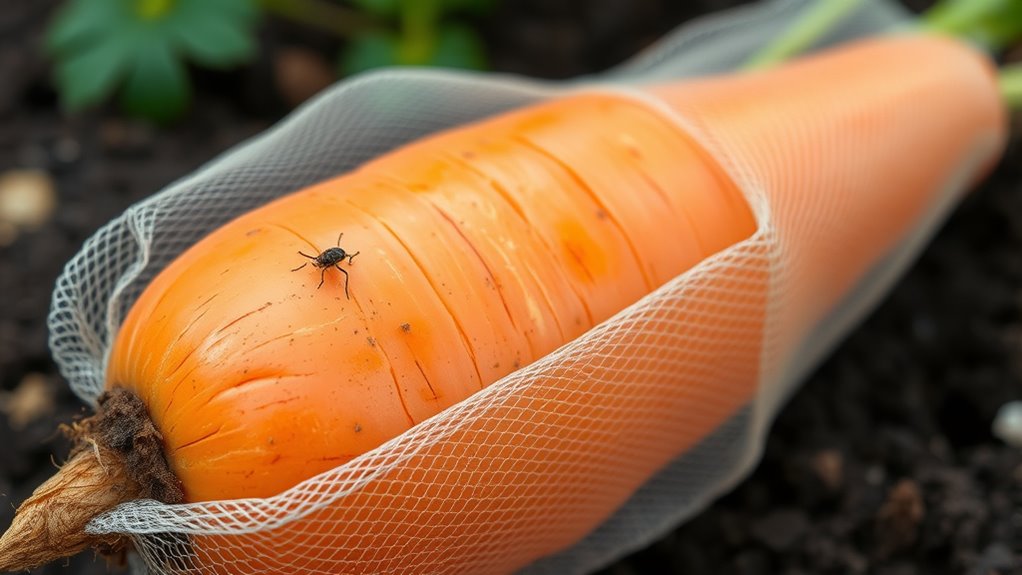
- Use fine mesh or floating row covers to physically block adult flies from reaching carrot plants.
- Deploy barriers early in the season before adult flies become active for best protection.
- Combining physical barriers with biological controls and crop rotation offers effective pest management.
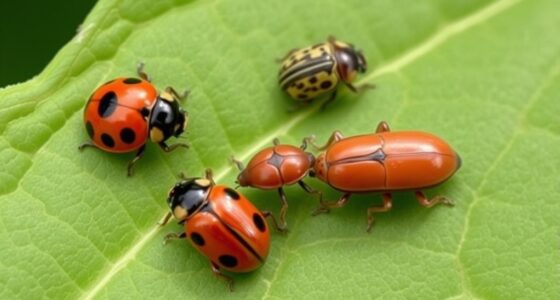
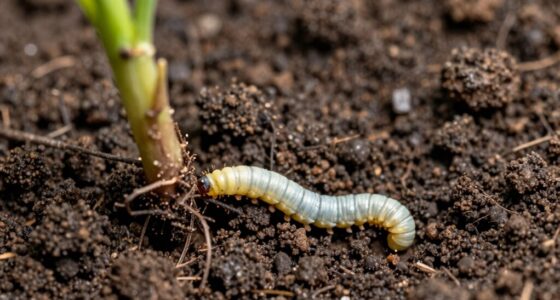
The carrot rust fly is a common pest that can seriously damage your vegetable garden if left unchecked. This tiny insect, often barely visible to the naked eye, lays its eggs at the base of carrot plants, and the emerging larvae burrow into the roots, causing rot and deformities. If you want to protect your carrots and prevent a full-blown infestation, understanding how to identify and create effective barriers is essential. One of the most sustainable methods you can implement is biological control. This approach involves introducing natural enemies of the carrot rust fly, such as parasitic wasps, which target the fly’s eggs or larvae. These beneficial insects help keep the pest population in check without chemicals, making your garden safer and more environmentally friendly. You can purchase these natural predators from garden centers or biological control suppliers and release them in your garden at the right times, especially during the early growing season. Combining biological control with other strategies enhances your overall defense against the pest.
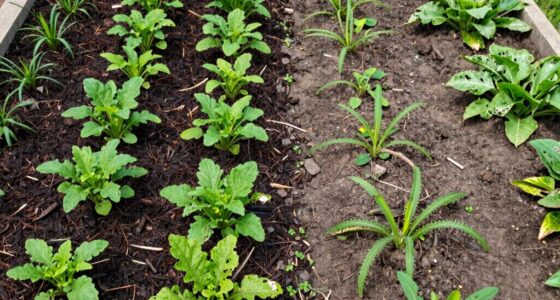
Alongside biological control, practicing good cultural practices plays an indispensable role in managing carrot rust fly populations. Crop rotation is one of the most effective cultural methods—you should avoid planting carrots in the same spot year after year. Instead, rotate with unrelated crops like legumes or leafy greens to interrupt the pest’s lifecycle. Keeping your garden clean is equally important. Remove and destroy plant debris and infested plant material promptly, as these serve as breeding grounds for the fly. Additionally, you can use physical barriers such as fine mesh or floating row covers to prevent adult flies from reaching your plants. These barriers are especially effective when placed early in the season before the flies become active. Be sure to secure the edges tightly to prevent any gaps that the insects might use to gain entry. Furthermore, selecting high-performance home theatre projectors with features like high contrast ratios and accurate color reproduction can significantly enhance your viewing experience, especially during long movie nights. Maintaining healthy, vigorous carrot plants also helps reduce susceptibility to pests. Proper watering, fertilizing, and avoiding stress on your plants make them less attractive to the adult flies looking to lay eggs. By combining biological control, cultural practices, and physical barriers, you establish a thorough defense system that minimizes the risk of carrot rust fly damage. These methods work together to protect your garden sustainably and effectively, reducing your reliance on chemical pesticides. With consistent effort and attention to detail, you can keep these pests at bay and enjoy healthy, tasty carrots all season long. Remember, early intervention and integrated pest management are your best tools against this persistent pest, ensuring your garden remains productive and pest-free.
fine mesh garden row covers for pests
As an affiliate, we earn on qualifying purchases.
As an affiliate, we earn on qualifying purchases.
Frequently Asked Questions
How Long Is the Lifecycle of the Carrot Rust Fly?
The lifecycle of the carrot rust fly typically lasts about 3 to 4 weeks, depending on environmental conditions. During this period, it goes through several development stages: egg, larva, pupa, and adult. You’ll notice eggs hatch quickly, larvae burrow into carrots, and pupae develop underground. By understanding these stages, you can better time your control measures to prevent damage and reduce infestations effectively.
Are There Organic Methods to Control Carrot Rust Fly?
Yes, you can control carrot rust fly organically by using companion planting with herbs like dill, cilantro, or marigolds, which repel the pests. Additionally, attracting natural predators such as parasitic wasps and predatory beetles helps keep the population in check. These methods create a balanced garden environment, reducing the need for chemical treatments while effectively managing the carrot rust fly naturally.
Can Crop Rotation Fully Prevent Carrot Rust Fly Infestations?
Think of crop rotation as your garden’s shield, but it’s not a magic bullet. While it helps reduce carrot rust fly populations, crop rotation limitations mean it won’t fully prevent infestations. Pests can still find their way if you don’t combine it with other strategies. Using pest-resistant varieties adds an extra layer of protection. For complete control, integrate crop rotation with barriers and organic methods to give your carrots the best defense.
What Specific Signs Indicate an Early Carrot Rust Fly Attack?
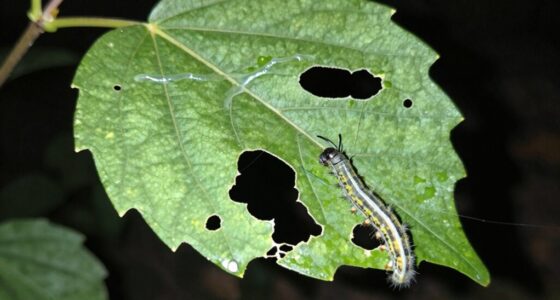
Early signs of a carrot rust fly attack include visible leaf damage, such as small holes, chewed edges, or slight discoloration. You might notice wilting or yellowing leaves as the larvae feed inside. Keep an eye out for tiny maggots near the base of the plant or on the roots, which are clear indicators of an early infestation. Spotting these signs early helps you take prompt action to protect your carrots.
How Effective Are Physical Barriers Against Adult Carrot Rust Flies?
Physical barriers act like shields against adult carrot rust flies, considerably reducing their ability to reach your crops. Their effectiveness depends on tight-fitting, durable materials like fine mesh or row covers, which prevent flies from laying eggs. While no barrier is foolproof, properly installed physical barriers are one of the most reliable methods to protect your carrots, creating a fortress that keeps these pests at bay and ensures healthy harvests.
natural parasitic wasps for pest control
As an affiliate, we earn on qualifying purchases.
As an affiliate, we earn on qualifying purchases.
Conclusion
Think of managing carrot rust fly like fencing off a garden to keep pests out—you need to be proactive and vigilant. Regular monitoring, using barriers, and crop rotation are your best tools to protect your carrots. By staying alert and implementing these strategies, you can prevent infestations from taking hold. Remember, the key is consistency—like watering a plant, your efforts now will pay off with healthy, pest-free carrots in the end.
As an affiliate, we earn on qualifying purchases.
garden pest control biological predators
As an affiliate, we earn on qualifying purchases.
As an affiliate, we earn on qualifying purchases.
Halloween Picks
halloween
As an affiliate, we earn on qualifying purchases.