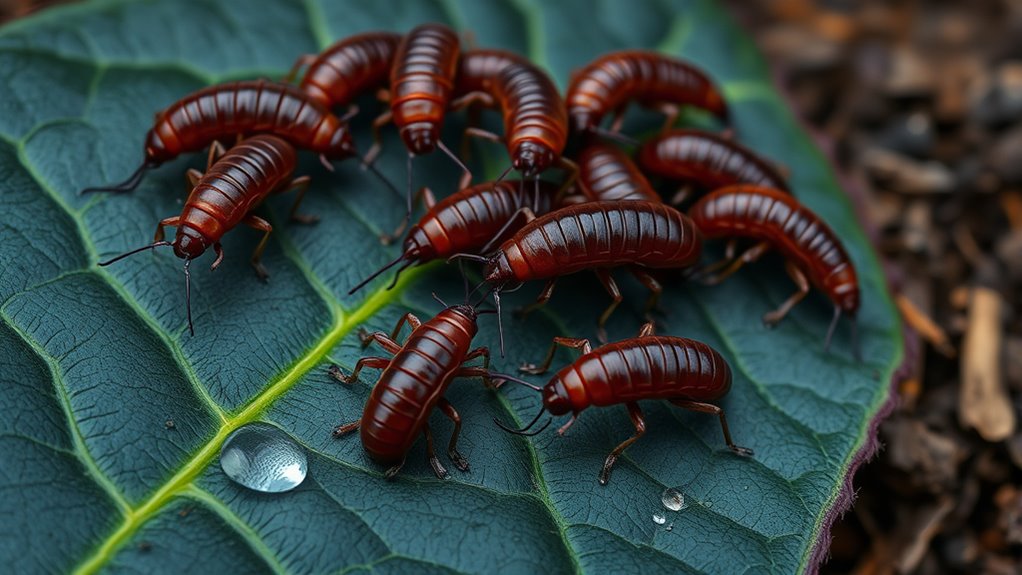
Earwigs can be helpful by controlling pests like aphids, mites, and caterpillars, helping your garden stay healthy without chemicals. They also break down organic debris and improve soil structure. However, if they invade indoors, they may hide in cracks and cause minor damage or become a nuisance. Managing their outdoor populations and sealing your home can keep their benefits while preventing indoor issues—there’s more to contemplate to keep everything balanced.

Get garden gear delivered free with Prime
- Fast, free delivery on millions of items
- Prime Video, Amazon Music and more included
- Member-only deals all year
Key Takeaways
- Earwigs naturally control garden pests like aphids and caterpillars, benefiting plant health.
- They can cause minor indoor damage and become a nuisance if they invade homes.
- Encouraging earwigs outdoors supports pest control but requires sealing cracks to prevent indoor invasions.
- They assist in decomposition, nutrient recycling, and soil aeration, promoting a healthy garden ecosystem.
- Managing earwig populations balances their beneficial roles with minimizing indoor nuisance issues.

Earwigs are often misunderstood insects, but they can play both helpful and harmful roles in your environment. While many people see them as pests, these insects actually have beneficial roles that can aid in pest management. Understanding these roles helps you decide whether to encourage their presence or take steps to control them.
In terms of beneficial roles, earwigs are natural predators of several garden pests. They feed on aphids, mites, caterpillars, and other small insects that can damage your plants. By keeping these pest populations in check, earwigs contribute to a healthier garden without the need for chemical pesticides. Their scavenging habits also help break down organic debris, aiding in nutrient recycling and maintaining soil health. When you leave fallen leaves and plant matter undisturbed, earwigs can help decompose this material, enriching the soil naturally. Additionally, their activity can promote soil aeration, which benefits root growth and overall plant health.
However, their role in pest management isn’t always entirely positive. While they can reduce certain pest populations, earwigs can also become pests themselves, especially if their numbers grow unchecked. They may invade indoor spaces seeking shelter and moisture, hiding in cracks and crevices around your home. Once inside, they can cause minor damage to plants, fabrics, or paper products. Their presence can be unsettling, and their tendency to congregate in dark, damp areas can make them a nuisance.
To balance their beneficial and harmful roles, you need to understand how to manage earwig populations effectively. Encouraging earwigs in your garden can be beneficial if you have specific pest issues, but it’s essential to prevent them from becoming invasive indoors. Creating a welcoming environment for earwigs outside—such as leaving leaf litter and mulch—can support their beneficial activities. Meanwhile, sealing cracks and minimizing moisture around your home can keep them from wandering indoors. If you notice an overpopulation, gentle removal or natural deterrents like diatomaceous earth can help control their numbers without harming beneficial insects.
Ultimately, earwigs can be allies in your pest management efforts when their populations are kept in balance. Recognizing their beneficial roles allows you to leverage their natural pest control abilities while minimizing potential nuisances. By fostering a garden environment that supports their beneficial activities and taking steps to prevent indoor invasions, you can coexist with these misunderstood insects more effectively. Their presence, when managed properly, can be a valuable part of a sustainable and balanced ecosystem.
As an affiliate, we earn on qualifying purchases.
Frequently Asked Questions
Are Earwigs Dangerous to Humans or Pets?
Earwigs are generally not dangerous to humans or pets, but they can pinch if threatened. In their natural earwig habitat, they seek dark, moist areas, avoiding predators like birds and lizards. You might encounter them indoors or outdoors, but their bites are harmless and rare. While they can be a nuisance, they don’t pose a significant health risk, so you don’t need to worry about serious harm from these insects.
How Can I Effectively Prevent Earwig Infestations?
Think of your garden as a fortress—you need to keep earwigs outside where they belong. To do that, regularly remove garden mulch, which attracts them, and seal entry points around your home. Keep your yard tidy by trimming plants and removing debris. These steps act as a shield, preventing earwig infestations before they start. With consistent effort, you can enjoy a pest-free garden and home.
What Natural Remedies Exist to Control Earwigs?
You can control earwigs using DIY repellents like soapy water or garlic spray, which deter them naturally. Set up organic traps, such as rolled-up damp newspaper or cardboard, to attract and catch these pests. Keep your garden tidy by removing debris and mulch, reducing hiding spots. These natural remedies are eco-friendly and effective, helping you manage earwig populations without harsh chemicals.
Do Earwigs Transmit Any Diseases?
Earwigs don’t transmit diseases, but they can cause issues if you have an earwig allergy or experience earwig bites. Some people may develop skin irritation or allergic reactions from contact or bites, leading to itching or swelling. While they aren’t dangerous, it’s best to avoid handling them and keep your home clean to prevent infestations, especially if you’re sensitive or allergic. If bites or allergies occur, consult a healthcare professional.
When Is the Best Time of Year to See Earwigs?
Imagine the arrival of a shadow creeping along garden edges—that’s when you’re most likely to see earwigs. Their seasonal activity peaks in late spring and summer, making outdoor sightings common during warm, humid nights. You’ll notice them scurrying near plants or under rocks. Keep an eye out as these creatures become more active in the warmer months, especially after rain, when they emerge to explore their surroundings.
As an affiliate, we earn on qualifying purchases.
Conclusion
So, think of earwigs as tiny gardeners with a mixed reputation. Sometimes, they’re like diligent helpers, pruning away pests and keeping your garden balanced. Other times, they turn into unwelcome guests, nibbling on plants and causing chaos. Like a double-edged sword, they can either nurture or harm your plants. By understanding their role, you can decide whether to invite them in or send them packing—balancing their help and hurt like a delicate dance in your backyard’s symphony.
As an affiliate, we earn on qualifying purchases.
As an affiliate, we earn on qualifying purchases.
Fall yard work Picks
leaf blowers
As an affiliate, we earn on qualifying purchases.