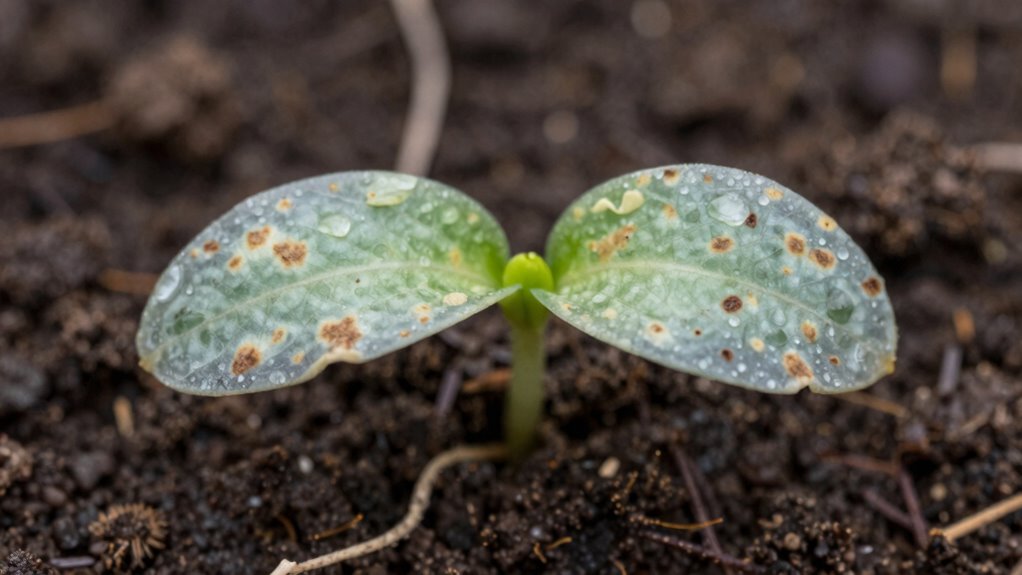
Seedling collapse isn’t always caused by damping off bacteria. Often, it results from issues with root development, like poor soil conditions, excess moisture, or low oxygen, which weaken plant stability. Nutritional deficiencies or imbalances can also make seedlings weak and prone to toppling. Environmental stressors, such as inconsistent watering or unfavorable temperatures, further contribute. Understanding these factors helps you spot problems early and take steps to strengthen your seedlings—there’s more to uncover for healthier growth.

Get garden gear delivered free with Prime
- Fast, free delivery on millions of items
- Prime Video, Amazon Music and more included
- Member-only deals all year
Key Takeaways
- Seedling collapse can result from poor root development, not just damping-off pathogens.
- Root damage, underdevelopment, or poor soil conditions weaken seedling stability.
- Nutrient imbalances or deficiencies can cause weak, toppled seedlings without fungal infection.
- Excess moisture or inadequate drainage impairs roots, leading to collapse.
- Early detection of root or nutritional issues allows for corrective watering and soil management.
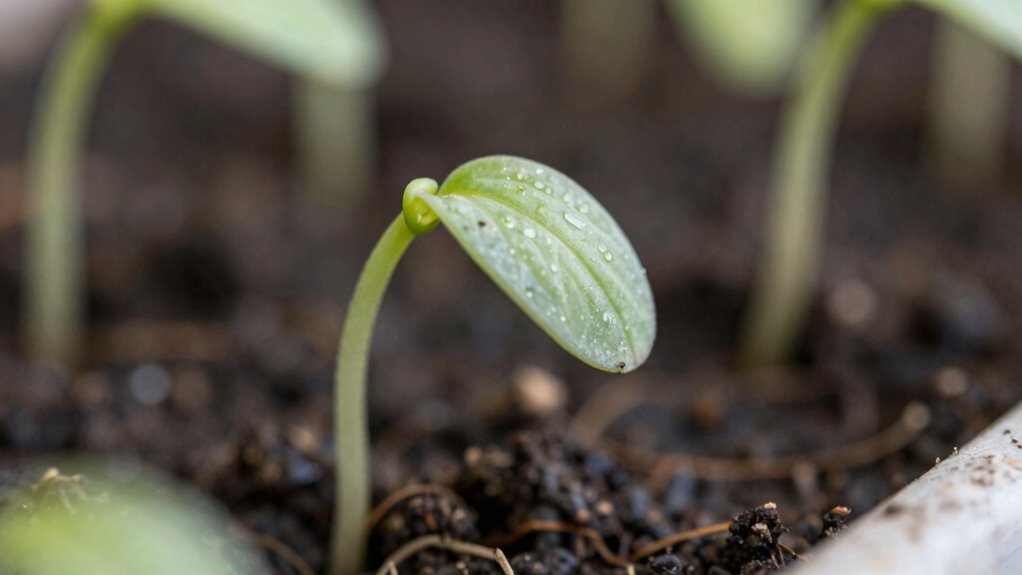
Have you ever wondered what happens when a fragile seedling suddenly begins to falter? It can be alarming, especially since young plants are so vulnerable. Often, people assume the worst — damping off or disease — but sometimes, what looks like a collapse isn’t caused by pathogens at all. Instead, it might be a sign of other issues that you can address with a little understanding of seedling growth, particularly root development and seedling nutrition.
When a seedling starts to wilt or topple over, it’s crucial to consider how its roots are developing. Healthy roots anchor the plant and absorb water and nutrients essential for growth. If roots are underdeveloped or damaged, the seedling won’t stand firm, and its overall health declines. Inadequate root development can stem from poor soil conditions, overly wet soil, or insufficient oxygen reaching the roots. When roots can’t establish properly, the seedling simply doesn’t have the support it needs to stay upright, making it look like it’s collapsing. Recognizing this early allows you to adjust watering practices or improve soil aeration, encouraging better root growth.
Healthy roots are key; poor soil, excess moisture, or lack of oxygen hinder root growth and cause seedlings to topple.
Seedling nutrition also plays a vital role in preventing what seems like a collapse. Young plants require a balanced supply of nutrients, especially nitrogen, phosphorus, and potassium, to develop strong stems and roots. If the seedling isn’t getting enough nutrients from the soil or seed-starting mix, it may weaken, become spindly, or fall over. Sometimes, overfeeding can be just as harmful as underfeeding; excess fertilizer can cause nutrient imbalances or salt buildup, damaging roots and impairing growth. Ensuring your seedlings receive appropriate, balanced nutrition — often through gentle, diluted fertilizers or nutrient-rich soil — supports robust root development and overall vigor. Additionally, understanding the importance of proper soil composition can help prevent nutrient deficiencies and promote healthier growth. Proper soil aeration and drainage are also critical factors in maintaining healthy roots and preventing issues like root rot or dehydration. It’s also beneficial to monitor soil pH to ensure nutrients are available in the right form for uptake by young plants.
It’s also important to consider environmental factors that influence seedling health. Too much moisture can lead to root rot, which stunts root development and causes sudden collapse. On the other hand, dry conditions can hinder roots from expanding, leaving seedlings weak and prone to falling over. Maintaining a consistent moisture level and providing proper drainage helps maintain healthy root systems. Furthermore, paying attention to soil conditions — including drainage and aeration — can significantly impact seedling resilience and growth. Proper environmental controls like humidity and temperature also support healthy seedling development and reduce stress.
In the end, what looks like a seedling collapse might not be damping off at all. It could be a sign of root development issues or nutritional deficiencies that you can correct. By paying close attention to these factors, you help your seedlings establish strong roots and get the nutrition they need to grow sturdy and resilient. When you understand these subtle signals, you’ll be better equipped to nurture healthy, thriving young plants rather than losing them to misdiagnosed problems.
As an affiliate, we earn on qualifying purchases.
Frequently Asked Questions
Can Overwatering Cause Seedling Collapse Without Damping Off?
Yes, overwatering can cause seedling collapse without damping off. When you overwater, it leads to overwatering stress, weakening the seedlings and making them vulnerable. Excess moisture also promotes root rot, which can cause roots to decay and seedlings to topple. To prevent this, make sure proper watering practices and focus on root rot prevention by allowing soil to dry slightly between waterings. This helps keep seedlings healthy and resilient.
What Are Alternative Fungi Besides Damping off That Affect Seedlings?
Fungal infections, like soilborne pathogens, can secretly sabotage your seedlings, beyond damping off. These invisible enemies include fusarium and pythium, which invade roots and stem bases. They symbolize silent invaders lurking in your soil, causing collapse without typical damping-off signs. To protect your seedlings, guarantee good drainage, sterilize soil, and avoid overwatering. Recognizing these hidden threats helps you stay one step ahead, nurturing resilient, healthy plants.
How Do Seedling Collapses Vary Across Different Plant Species?
Seedling collapses vary across plant species due to differences in seedling genetics and environmental stress. Some species are more resilient, showing fewer symptoms under stress, while others are highly susceptible to collapse from factors like drought or poor soil. You’ll notice that environmental stress exacerbates genetic vulnerabilities, leading to collapse in sensitive species. Understanding these differences helps you tailor your growing conditions, reducing the risk of seedling failure.
Are There Natural Remedies to Prevent Seedling Collapse?
Natural remedies can help prevent seedling collapse. You can try organic treatments like diluted neem oil or chamomile tea spray, which bolster seedlings’ defenses against disease and stress. Home remedies such as ensuring proper watering, good air circulation, and avoiding over-fertilizing are essential. While these organic options nurture plants naturally, neglecting basic care can lead to collapse—reminding you that sometimes, simple solutions are the strongest shields.
Does Seedling Age Influence Susceptibility to Collapse?
Yes, seedling age influences susceptibility to collapse. Younger seedlings are more vulnerable during early stages of seedling maturity, when their stems are still developing and weaker. As they grow and pass through vulnerability stages, their resilience increases. You should monitor their growth closely, provide proper watering, and avoid over-fertilizing during the earliest days to help them develop strong stems and reduce collapse risk.
As an affiliate, we earn on qualifying purchases.
Conclusion
Understanding seedling collapse means recognizing it’s not always damping off. Sometimes, healthy-looking seedlings suddenly fail, often due to factors like uneven watering or root stress. Did you know that nearly 60% of gardeners have experienced unexpected seedling loss? By paying close attention to watering habits and soil conditions, you can reduce these surprises. Stay vigilant and adapt your care—your seedlings will thank you with strong, healthy growth. Keep learning, and your garden will thrive.
As an affiliate, we earn on qualifying purchases.
seedling watering can with adjustable flow
As an affiliate, we earn on qualifying purchases.
As an affiliate, we earn on qualifying purchases.
Halloween Picks
halloween
As an affiliate, we earn on qualifying purchases.