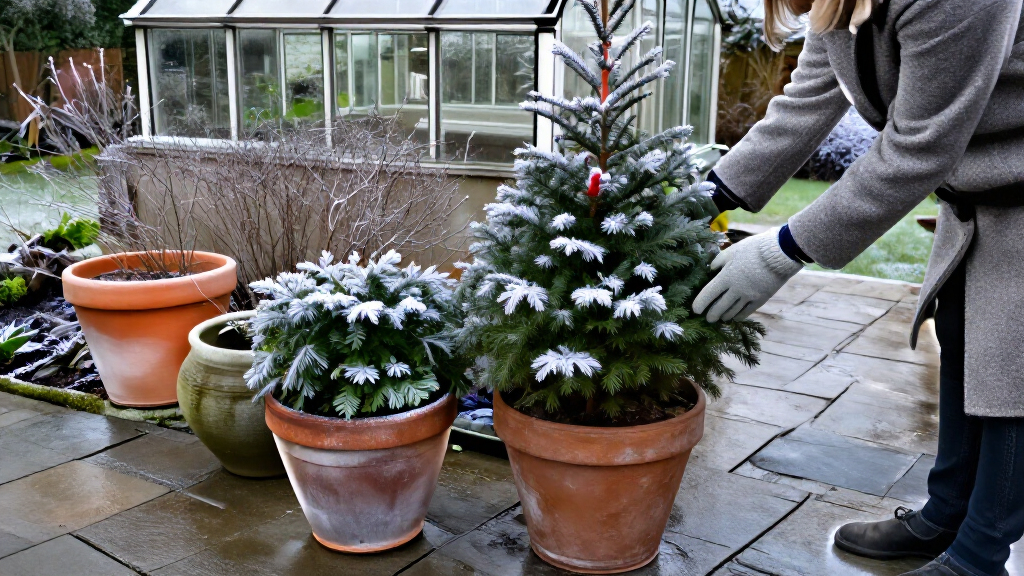
The best winter-hardy potted plants pair cold-season interest with a realistic chance of surviving winter in a container, where roots face more exposure than they do in the ground. My best overall pick is Wintergreen for its evergreen foliage and bright berries, while ‘Ivory Prince’ hellebore stands out for winter blooms and Dwarf Alberta spruce for lasting structure. The main tradeoff is between dependable foliage, seasonal flowers, and the extra protection some plants need when pots freeze. Hardiness varies by climate, container size, and shelter, so a plant suited to a mild winter may struggle in a colder, exposed spot. Read on for the full comparison and help matching each plant to your container and conditions.

Get garden gear delivered free with Prime
- Fast, free delivery on millions of items
- Prime Video, Amazon Music and more included
- Member-only deals all year
Complete the kit


Key Takeaways
- Wintergreen leads for year-round container interest: it combines evergreen foliage and berries, while flowering picks such as hellebores deliver more seasonal color.
- Hellebores are the strongest bloom-focused group: ‘Ivory Prince’ offers a named variety, while the three-plant mixed Lenten rose set gives more plants but less control over flower selection.
- Dwarf Alberta spruce is the structure-first choice: it keeps a compact evergreen form, but it will not provide the winter flowers or berries found on other picks.
- Several listings repeat the same plant type at different sizes: compare the two Frostproof Gardenias and two Obsession Nandinas by container size and starting size, not name alone.
- A plant’s hardiness does not guarantee a pot will survive outdoors: container roots face colder conditions, so pot size, drainage, wind exposure, and winter shelter can outweigh a small difference in plant selection.
| Gaultheria procumbens (Wintergreen) Evergreen Plant, #1 Container |  | Best for Compact, Shade-Tolerant Color | Plant type: Evergreen ground cover | Mature size: 3–6 in H × 6–12 in W | Container: #1 | VIEW LATEST PRICE | See Our Full Breakdown |
| Helleborus ‘Ivory Prince’ Christmas Rose Live Plant, 1-Gallon |  | Best for Shade-Garden Blooms | Plant type: Perennial | Container size: 1 gallon | Mature height: 12–18 in | VIEW LATEST PRICE | See Our Full Breakdown |
| Pansy Grower’s Choice Assorted Colors, 4-Pack |  | Best for Seasonal Color in Small Pots | Plant type: Live pansy | Quantity: 4 plants | Color: Assorted; grower’s choice | VIEW LATEST PRICE | See Our Full Breakdown |
| Frostproof Gardenia (Gardenia jasminoides) Bare-Root Plant, 4–5 Inches |  | Best for Fragrant Blooms in Mild Winters | Plant type: Evergreen flowering shrub | Form: Bare root | Plant height: 4–5 in | VIEW LATEST PRICE | See Our Full Breakdown |
| Live Snowball Viburnum Bush Plant, 4-Inch Pot |  | Best for a Dormant Winter Shrub | Plant type: Flowering shrub | Pot size: 4 in | Sun exposure: Full sun or partial shade | VIEW LATEST PRICE | See Our Full Breakdown |
| Pink Viburnum Live Plant, Hardy Flowering Shrub, 4–6 Inches Tall |  | Best Overall for Versatile, Hardy Outdoor Blooms | Plant type: Flowering shrub | Plant height: 4–6 inches | Mature size: 3–8 feet tall and wide | VIEW LATEST PRICE | See Our Full Breakdown |
| Picea glauca ‘Conica’ Dwarf Alberta Spruce, #2 Container |  | Best for Compact, Low-Maintenance Evergreen Landscaping | Plant type: Shrub and hedge plant | Mature height: 6–8 ft | Mature spread: 3–4 ft | VIEW LATEST PRICE | See Our Full Breakdown |
| Baby Blue Eucalyptus Live Starter Plant, 2–5 Inches Tall |  | Best for Fragrant, Compact Indoor/Outdoor Use | Plant type: Baby Blue Eucalyptus | Plant height: 2–5 inches | Expected mature height: 12 feet | VIEW LATEST PRICE | See Our Full Breakdown |
| Perfect Plants Frostproof Gardenia Live Plant, 1-Gallon Pot |  | Best for Fragrant, Deer-Resistant Outdoor Blooms | Plant type: Gardenia shrub | Pot size: 1 gallon | Mature height: 5 feet | VIEW LATEST PRICE | See Our Full Breakdown |
| Perfect Plants Yuletide Sasanqua Camellia, 3-Gallon Live Plant |  | Best for Winter Blooming, Pollinator Attractant | Plant type: Sasanqua camellia shrub | Container size: 3 gallons | Mature size: Up to 10 ft tall and 8 ft wide | VIEW LATEST PRICE | See Our Full Breakdown |
| Mixed Lenten Rose (Hellebore), 3 Plants in 2.5-Inch Pots |  | Best for Shady Winter Color | Quantity: 3 plants | Pot size: 2.5 inches | Plant type: Evergreen perennial | VIEW LATEST PRICE | See Our Full Breakdown |
| Southern Living Obsession Nandina Shrub, 2 Gallons |  | Best Low-Maintenance Foliage Shrub | Plant type: Nandina shrub | Container size: 2 gallons | USDA hardiness zones: 6–10 | VIEW LATEST PRICE | See Our Full Breakdown |
| Perfect Plants Obsession Nandina Shrub, 1-Gallon Live Plant |  | Best Compact Seasonal Color | Plant type: Compact shrub | Container size: 1 gallon | Mature size: 3–4 feet tall and wide | VIEW LATEST PRICE | See Our Full Breakdown |
| Windmill Palm Tree in 3-Gallon Grower’s Pot |  | Best Statement Palm for Mild Winters | Plant type: Windmill palm tree | Pot size: 3 gallons | USDA hardiness zones: 8–11 | VIEW LATEST PRICE | See Our Full Breakdown |
| winter-hardy potted plant | Plant type | USDA hardiness zones |
|---|---|---|
| Gaultheria procumbens | Evergreen ground cover | 3–8 |
| Helleborus ‘Ivory Prince’ Chri | Perennial | 5–8 |
| Pansy Grower’s Choice Assorted | Live pansy | — |
| Frostproof Gardenia | Evergreen flowering shrub | 7–10 |
| Live Snowball Viburnum Bush Pl | Flowering shrub | 5–9 |
| Pink Viburnum Live Plant | Flowering shrub | 3–9 |
| Picea glauca ‘Conica’ Dwarf Al | Shrub and hedge plant | — |
| Baby Blue Eucalyptus Live Star | Baby Blue Eucalyptus | 8–11 |
| Perfect Plants Frostproof Gard | Gardenia shrub | — |
| Perfect Plants Yuletide Sasanq | Sasanqua camellia shrub | 7–10 |
| Mixed Lenten Rose | Evergreen perennial | 4–9 |
| Southern Living Obsession Nand | Nandina shrub | 6–10 |
| Perfect Plants Obsession Nandi | Compact shrub | 6–10 |
| Windmill Palm Tree in 3-Gallon | Windmill palm tree | 8–11 |
More Details on Our Top Picks
Gaultheria procumbens (Wintergreen) Evergreen Plant, #1 Container
Wintergreen is the compact choice for a sheltered pot or shaded spot where evergreen foliage and winter fruit matter more than height. It grows just 3–6 inches tall, with white flowers and persistent red berries, so it brings seasonal detail without overwhelming a small container. Its USDA zones 3–8 make it the broadest-ranging cold-hardy choice in this group; by comparison, the Frostproof Gardenia is limited to zones 7–10 and needs full sun. Wintergreen also handles full shade to partial sun, which gives it an advantage on darker patios.
The tradeoff is scale: its 6–12-inch spread makes it a low ground cover, not a stand-alone shrub or tall focal point like the Live Snowball Viburnum. It prefers moderate moisture and loamy soil, and the listing specifies fall planting. Choose it for low, leafy coverage and berries; skip it if you want a large display plant.
Pros:- Evergreen foliage and persistent red berries add interest through cold weather.
- Tolerates full shade to partial sun, unlike the full-sun Frostproof Gardenia.
- Hardy across USDA zones 3–8.
- Arrives rooted in a #1 container and ready to plant.
Cons:- Very low mature height limits its use as a focal plant or screen.
- The specified hardiness range ends at zone 8.
Best for: Gardeners in USDA zones 3–8 who want a low evergreen container plant with red winter berries for a shaded patio or entry.
Not ideal for: Buyers seeking a tall, statement shrub or a fast, wide screen; its mature height is only 3–6 inches and spread 6–12 inches.
- Plant type:Evergreen ground cover
- Mature size:3–6 in H × 6–12 in W
- Container:#1
- Flower color:White
- Fruit color:Red
- Sun exposure:Full shade to partial sun
- USDA hardiness zones:3–8
- Soil and moisture:Loam; moderate moisture
- Expected planting period:Fall
Our verdict“Choose Wintergreen for a compact, shade-tolerant pot with winter berries, but pick a shrub such as the Live Snowball Viburnum if height is your priority.”
Helleborus ‘Ivory Prince’ Christmas Rose Live Plant, 1-Gallon
‘Ivory Prince’ pairs evergreen foliage with spring flowers, making it a stronger choice than Wintergreen when you want a more noticeable, upright display in a shaded pot. Its silver-veined leaves remain a feature beyond bloom time, while reddish-pink buds open to creamy white flowers tinted pink and green in early to mid-spring. The rooted 1-gallon plant also gives buyers a larger starting plant than the four-pack of pansies, though pansies offer a more flexible mix of colors and potential bloom seasons.
This hellebore suits partial to full shade and reaches 12–18 inches tall with an 18–24-inch spread. That fuller footprint calls for a suitably sized container, and well-drained, organically rich soil is a requirement, not an optional extra. Its zone 5–8 range is narrower than Wintergreen’s 3–8 range, and it is not the right pick for a sunny patio. Choose it for leafy structure and spring flowers in shade; skip it if your potting mix stays wet.
Pros:- Evergreen silver-veined foliage keeps the plant visually present outside flowering time.
- Creamy flowers with pink and green tones add spring color in shade.
- Arrives rooted in a 1-gallon container.
- Works in containers, borders, rock gardens, and as groundcover.
Cons:- Needs organically rich, well-drained soil.
- Its 18–24-inch spread requires more container space than Wintergreen.
- Hardiness is limited to USDA zones 5–8.
Best for: Gardeners in USDA zones 5–8 who have a shaded patio or border and want evergreen foliage plus early-to-mid-spring flowers.
Not ideal for: Buyers with full-sun containers, poorly drained soil, or very small pots that cannot accommodate an 18–24-inch spread.
- Plant type:Perennial
- Container size:1 gallon
- Mature height:12–18 in
- Recommended spread:18–24 in
- USDA hardiness zones:5–8
- Sun exposure:Partial to full shade
- Soil:Organically rich, well-drained
- Foliage:Evergreen, silver-veined
- Flower color:Creamy white with pink and green
Our verdict“Pick ‘Ivory Prince’ for a substantial, shade-loving pot with evergreen leaves and spring bloom; choose Wintergreen instead for smaller containers or colder zones.”
Pansy Grower’s Choice Assorted Colors, 4-Pack
This four-pack is the color-first option for buyers who want several compact plants rather than one shrub or evergreen. The pansies reach up to 9 inches and suit containers as well as garden beds, giving them a more immediate cluster effect than the low, spreading Wintergreen. They prefer full sun to partial shade and moist, well-draining soil; the listing describes possible flowering across spring, summer, fall, and winter, though bloom timing depends on conditions. Compared with ‘Ivory Prince’, pansies offer assorted color rather than a specific flower palette, but they do not provide the same evergreen structure.
The key limitation is seasonal uncertainty: the grower selects the colors, and the stated bloom seasons are not a guarantee of continuous flowers in every climate. Their zone 6+ listing is also less cold-tolerant than Wintergreen’s zone 3–8 range. These are best for adding a flexible, colorful layer to a protected pot, not for a dependable evergreen winter anchor.
Pros:- Four live plants provide a ready-made group for a container or bed.
- Compact growth, reaching up to 9 inches tall.
- Can bloom across several seasons depending on conditions.
- Grows in full sun to partial shade.
Cons:- Color selection is chosen by the grower.
- Bloom timing and winter flowering depend on growing conditions.
- Listed for USDA zone 6 and warmer, making it less cold-hardy than Wintergreen.
Best for: Container gardeners in USDA zone 6 or warmer who want four compact flowering plants and are comfortable with grower-selected colors.
Not ideal for: Buyers who need dependable winter structure, a known flower color, or a plant suited to colder zones than 6.
- Plant type:Live pansy
- Quantity:4 plants
- Color:Assorted; grower’s choice
- Expected height:Up to 9 in
- Sun exposure:Full to partial sun
- Soil:Well-draining
- Watering:Moderate; keep soil moist
- USDA hardiness zone:6+
- Expected bloom seasons:Spring, summer, fall, winter, depending on conditions
Our verdict“Choose the pansy four-pack for flexible, compact color in a relatively mild winter climate, but select an evergreen such as ‘Ivory Prince’ for lasting foliage.”
Frostproof Gardenia (Gardenia jasminoides) Bare-Root Plant, 4–5 Inches
Frostproof Gardenia brings fragrance and evergreen foliage to a patio container, but its winter-hardiness range makes it a regional pick rather than an all-climate choice. The 4–5-inch bare-root starter is described as cold-hardy for USDA zones 7–10; that is substantially less cold-tolerant than Wintergreen, rated for zones 3–8, and narrower at the cold end than the Live Snowball Viburnum’s zones 5–9. Its fragrant white flowers arrive in spring to summer, while glossy leaves provide structure outside bloom time.
Unlike the rooted 1-gallon ‘Ivory Prince’, this plant arrives bare-root and will need planting and establishment, so it asks for more initial care. It also prefers full sun and moist, well-draining loamy soil, which limits placement compared with the shade-tolerant hellebore. Its appeal is scent and shrub potential, not broad cold tolerance or an instantly full container. Choose it where winters are mild enough for its listed zones.
Pros:- Fragrant white flowers bloom from spring into summer.
- Glossy green foliage provides evergreen interest.
- Can suit patio containers, borders, hedges, or foundations.
- Listed as cold-hardy within USDA zones 7–10.
Cons:- Bare-root form requires planting and establishment.
- Its zone range is less cold-tolerant than Wintergreen or the Live Snowball Viburnum.
- Full-sun exposure limits placement compared with shade-tolerant picks.
Best for: Gardeners in USDA zones 7–10 who can plant and establish a bare-root shrub and want fragrant white flowers in a sunny patio container.
Not ideal for: Buyers in colder climates, anyone wanting a ready-to-display potted plant, or gardeners with shaded container space.
- Plant type:Evergreen flowering shrub
- Form:Bare root
- Plant height:4–5 in
- Bloom color:White
- Expected blooming period:Spring to summer
- Sun exposure:Full sun
- USDA hardiness zones:7–10
- Soil:Loamy, moist, well-draining
- Moisture needs:Moderate watering
Our verdict“Choose this Gardenia for fragrance in a sunny container in zones 7–10, but pick Wintergreen or ‘Ivory Prince’ for colder or shadier locations.”
Live Snowball Viburnum Bush Plant, 4-Inch Pot
The Snowball Viburnum is the shrub choice for buyers who value cold tolerance and seasonal flowers over winter greenery. Listed for USDA zones 5–9, it covers colder regions than the Frostproof Gardenia and grows in full sun or partial shade. Its abundant white flowers last several weeks each season, making it a more substantial garden or patio shrub than the compact pansies. The plant arrives well-rooted in a 4-inch pot, but its defining winter behavior is dormancy: unlike Wintergreen or ‘Ivory Prince’, it will not keep evergreen foliage through the cold months.
That dormancy is a real tradeoff for a roundup focused on winter-hardy pots. The listing supports cold-hardy outdoor growing, but does not give mature dimensions, so buyers cannot size a long-term container from the provided details alone. It also calls for suitable outdoor sunlight, rather than offering the deep-shade flexibility of ‘Ivory Prince’. Choose it for seasonal shrub flowers and winter dormancy; skip it if your pot needs to stay leafy all year.
Pros:- Listed for USDA zones 5–9, including colder climates than the Frostproof Gardenia.
- Produces abundant white flowers that last several weeks each season.
- Well-rooted plant arrives in a 4-inch pot.
- Grows in full sun or partial shade and suits patios, balconies, and borders.
Cons:- Goes dormant in winter rather than keeping evergreen foliage like Wintergreen.
- Mature height and spread are not provided.
- Needs outdoor conditions with suitable sunlight.
Best for: Gardeners in USDA zones 5–9 who want a rooted flowering shrub for a sunny or partly shaded outdoor patio, balcony, or border.
Not ideal for: Buyers seeking evergreen winter foliage, precise mature-size guidance for a permanent container, or a shrub for a deeply shaded site.
- Plant type:Flowering shrub
- Pot size:4 in
- Sun exposure:Full sun or partial shade
- Flower color:White
- Blooming:Seasonal; flowers last several weeks
- USDA hardiness zones:5–9
- Winter behavior:Dormant
- Quantity:1 plant
Our verdict“Pick the Snowball Viburnum for a cold-hardy shrub with seasonal white flowers, but choose an evergreen such as ‘Ivory Prince’ if winter foliage matters most.”
Pink Viburnum Live Plant, Hardy Flowering Shrub, 4–6 Inches Tall
This Pink Viburnum stands out for its adaptability across USDA zones 3–9, making it a reliable choice for gardeners seeking spring color with minimal fuss. Compared to the Perfect Plants Yuletide Sasanqua Camellia, it offers a broader hardiness range and a more shrub-like form that can serve as a border or hedge, though it requires regular watering during establishment. Its modest size when young (4–6 inches) means it’s ideal for early planting or container use, but new plants need consistent moisture until established. The plant’s ability to produce large clusters of pink or white flowers in spring makes it a flexible landscape addition. However, it’s not a low-maintenance option if you struggle with watering routines, especially in dry spells. Best suited for gardeners who want an easy-care, spring-flowering shrub that can thrive in various outdoor conditions.
Pros:- Hardy across a broad USDA zone range 3–9
- Produces attractive spring clusters of pink or white flowers
- Minimal maintenance once established
- Suitable for borders, hedges, and landscape accents
Cons:- Requires consistent watering during establishment
- Young plants are only 4–6 inches tall, which may require patience
Best for: Homeowners seeking a hardy, low-maintenance shrub for garden borders or landscape accents in USDA zones 3–9.
Not ideal for: Indoor growers or gardeners in extremely dry or low-light environments, since it needs full sun and regular watering to flourish.
- Plant type:Flowering shrub
- Plant height:4–6 inches
- Mature size:3–8 feet tall and wide
- Flower color:Pink or white
- Sunlight exposure:Full sun
- USDA hardiness zones:3–9
Our verdict“This viburnum is an excellent choice for gardeners wanting a reliable, colorful shrub that withstands cold and varies in size.”
Picea glauca ‘Conica’ Dwarf Alberta Spruce, #2 Container
This Dwarf Alberta Spruce offers a dense, pyramidal shape ideal for small gardens or container landscapes, especially compared to larger evergreens like the Baby Blue Eucalyptus. Its slow growth and compact size — reaching about 6–8 feet tall with a 3–4 foot spread — make it suitable for limited spaces, but this height may still be too large for very tight gardens. It thrives in full sun or partial shade, and its rugged, low-maintenance nature makes it a reliable evergreen choice. The main tradeoff is that its slow-growing nature might mean it takes longer to reach a visually impactful size, and arrival conditions can vary with weather. This pick is perfect for those prioritizing easy care and year-round greenery, though it’s less ideal for small indoor containers or very tight spaces.
Pros:- Slow-growing, requiring less frequent pruning
- Evergreen pyramidal shape adds year-round structure
- Rugged, low-maintenance, suitable for various light conditions
Cons:- Mature height of 6–8 feet might be large for small spaces
- Weather-dependent planting upon arrival due to outdoor shipment
Best for: Gardeners with moderate space looking for a low-maintenance, evergreen focal point or hedge in full sun or partial shade.
Not ideal for: Very small gardens or indoor containers, as mature height and spread may be too large or require more space than available.
- Plant type:Shrub and hedge plant
- Mature height:6–8 ft
- Mature spread:3–4 ft
- Hardiness zones:3–8
- Sunlight:Full sun or partial shade
- Soil type:Clay
Our verdict“This dwarf spruce is ideal for gardeners seeking a durable, compact evergreen for larger landscapes or containers that require minimal upkeep.”
Baby Blue Eucalyptus Live Starter Plant, 2–5 Inches Tall
The Baby Blue Eucalyptus starter plant offers striking silver-blue foliage that adds visual interest and fragrance, especially compared with the more traditional evergreen Picea glauca ‘Conica’. Its small size—just 2–5 inches—makes it suitable for containers or small outdoor spaces, but it will grow up to 12 feet, so it’s better suited for gardeners willing to manage its eventual size. The plant’s fragrance and cold-hardiness in zones 8–11 make it attractive for outdoor use in milder climates or indoors where space is limited. Its low-maintenance nature is appealing, though it’s only viable in zones that don’t experience harsh cold. The main drawback is that it starts small, requiring patience before it reaches its full potential. This pick is best for those wanting a fragrant, ornamental shrub or indoor feature with a longer-term growth plan.
Pros:- Fragrant silver-blue foliage adds visual and aromatic appeal
- Suitable for indoor or outdoor growing
- Low maintenance and cold hardy in zones 8–11
- Compact size ideal for small spaces
Cons:- Limited to zones 8–11, unsuitable for colder climates
- Starter plant is very small, requiring patience to reach full size
Best for: Gardeners in USDA zones 8–11 seeking a fragrant, low-maintenance evergreen for containers or small outdoor gardens.
Not ideal for: Gardeners in colder zones or those expecting immediate full-sized plants, as it starts small and needs time to grow.
- Plant type:Baby Blue Eucalyptus
- Plant height:2–5 inches
- Expected mature height:12 feet
- USDA hardiness zones:8–11
- Sunlight:Full sun
- Soil type:Loam
Our verdict“This eucalyptus is perfect for those in milder zones seeking a fragrant, easy-care accent plant for containers or small gardens.”
Perfect Plants Frostproof Gardenia Live Plant, 1-Gallon Pot
The Frostproof Gardenia makes a compelling choice for gardeners wanting fragrant, white blossoms in warmer outdoor zones, especially compared to the Sasanqua Camellia. It can reach up to 5 feet tall and 4 feet wide, thriving in full sun or partial shade, with a deer-resistant quality that adds value to busy landscapes. Its fragrant flowers bloom in spring and summer, providing seasonal interest and aroma. The main downside is its limited shipping zones—it’s not shipped to California or Arizona—and it requires a warm climate for best performance. Its established size and fragrance make it ideal for outdoor borders or patio containers, but it’s less suited for indoor use or colder regions. Best for gardeners seeking a reliable, fragrant shrub in suitable zones with deer resistance.
Pros:- Fragrant white flowers bloom seasonally
- Deer resistant, suitable for busy gardens
- Thrives in full sun or partial shade
- Established plants arrive ready for planting
Cons:- Limited shipping zones exclude colder or western regions
- Not suitable for indoor growing or very small spaces
Best for: Gardeners in USDA zones 8–11 wanting a fragrant, deer-resistant outdoor shrub with seasonal blooms.
Not ideal for: Cold climate gardens or indoor growers, as it needs warm outdoor conditions and isn’t shipped to some western states.
- Plant type:Gardenia shrub
- Pot size:1 gallon
- Mature height:5 feet
- Mature width:4 feet
- Sunlight exposure:Full sun, partial shade
- Blooming period:Spring and summer
Our verdict“This gardenia excels in warmer zones for gardeners desiring fragrant, deer-resistant outdoor plants with seasonal blooms.”
Perfect Plants Yuletide Sasanqua Camellia, 3-Gallon Live Plant
This Sasanqua Camellia offers stunning late winter to early spring red blooms with yellow centers, making it a top choice for adding color during colder months, unlike the Pink Viburnum which blooms in spring. Its evergreen foliage provides year-round greenery, and its size—up to 10 feet tall and 8 feet wide—works well in larger gardens or as a focal point, though it needs partial sun and regular watering. Its hardiness zones 7–10 limit it to warmer regions, and shipping exclusions apply to California, Alaska, Hawaii, and Arizona. The plant’s floral display, combined with pollinator attraction, makes it a valued landscape feature, but patience is required as it establishes. This plant is best for those wanting winter color and pollinator gardens in suitable zones.
Pros:- Evergreen foliage provides all-year greenery
- Blooms in late winter to early spring for seasonal color
- Attracts pollinators and is deer resistant
- Large size offers landscape impact
Cons:- Limited to zones 7–10, not suitable for colder regions
- Shipping restrictions to some states
- Requires patience for establishment
Best for: Gardeners in USDA zones 7–10 seeking a winter-blooming, evergreen shrub that attracts pollinators and adds seasonal color.
Not ideal for: Cold climate gardeners or indoor growers, because it needs outdoor partial sun and specific zone conditions.
- Plant type:Sasanqua camellia shrub
- Container size:3 gallons
- Mature size:Up to 10 ft tall and 8 ft wide
- USDA hardiness zones:7–10
- Sunlight exposure:Partial sun
- Bloom period:Late winter to early spring
Our verdict“This camellia is perfect for gardeners wanting winter blooms and pollinator attraction in compatible zones, with a sizable, evergreen presence.”
Mixed Lenten Rose (Hellebore), 3 Plants in 2.5-Inch Pots
For a shaded patio or garden edge, these three evergreen hellebores offer a better fit than the sun-loving Windmill Palm. They tolerate USDA Zones 4–9 and can flower as early as winter, bringing seasonal interest when many container plants are quiet. Their 18–24-inch height gives them presence without the eventual scale of the palm, while the foliage remains attractive between blooms. The tradeoff is that the mixed flower colors are not selectable, and 2.5-inch starter pots need attentive establishment care. Hellebores also need suitable planting conditions to settle in, so they are not a no-care choice straight from delivery. Shipping temperature sensitivity adds another risk. Choose this set for shade and cold tolerance, not for instant fullness or precise color planning.
Pros:- May bloom as early as winter
- Evergreen foliage provides year-round interest
- Suited to full shade or partial shade
- Hardy across USDA Zones 4–9
Cons:- Flower colors vary and cannot be chosen in advance
- Small 2.5-inch pots require establishment care
- Sensitive to extreme temperatures during shipping
Best for: Gardeners in USDA Zones 4–9 who want winter flowers and evergreen foliage for a shaded patio or container planting.
Not ideal for: Buyers who need a specific flower color, want a large established plant immediately, or cannot provide attentive care while small plants establish.
- Quantity:3 plants
- Pot size:2.5 inches
- Plant type:Evergreen perennial
- USDA hardiness zones:4–9
- Light:Full shade to partial shade
- Height:18–24 inches
- Flower color:Mixed; varies
Our verdict“Choose these hellebores for cold-hardy winter interest in shade; skip them if you need a specific bloom color or a fully grown container plant.”
Southern Living Obsession Nandina Shrub, 2 Gallons
This 2-gallon Obsession Nandina suits buyers who want seasonal foliage color without the winter-blooming focus of the Mixed Lenten Rose. Its sun-to-part-shade range makes placement less restrictive than a shade-oriented hellebore, and low maintenance is a useful advantage once the shrub is established. It is hardy in USDA Zones 6–10, so it covers milder winter regions but does not reach as far into colder zones as the hellebores. The main care commitment comes early: the listed schedule calls for twice-weekly watering until established, then weekly watering. That makes it a less hands-off start than its low-maintenance description may suggest. The product data also gives less detail about mature size and container suitability than the 1-gallon Perfect Plants Obsession Nandina, so buyers planning a precise pot fit may prefer that listing.
Pros:- Seasonal foliage color adds interest beyond flowering periods
- Grows in full sun to part shade
- Low maintenance after establishment
- Larger 2-gallon container than the 1-gallon Perfect Plants Obsession Nandina
Cons:- Requires watering twice weekly until established
- Hardiness range is limited to USDA Zones 6–10
- Mature dimensions are not specified in the supplied product data
Best for: Gardeners in USDA Zones 6–10 seeking a low-maintenance shrub with seasonal foliage color for a sunny or partly shaded outdoor space.
Not ideal for: Buyers in colder zones, shoppers who cannot water regularly during establishment, or container gardeners who need stated mature dimensions.
- Plant type:Nandina shrub
- Container size:2 gallons
- USDA hardiness zones:6–10
- Light requirements:Full sun to part shade
- Watering until established:Twice weekly
- Watering after establishment:Once weekly
- Maintenance:Low
Our verdict“Pick this Nandina for seasonal foliage and a larger supplied container in Zones 6–10, provided you can keep up with establishment watering.”
Perfect Plants Obsession Nandina Shrub, 1-Gallon Live Plant
The 1-gallon Obsession Nandina is the more clearly specified choice for buyers planning a container: its compact 3–4-foot mature size and listed outdoor uses make placement easier to judge than with the Southern Living 2-gallon Nandina, whose mature dimensions are not supplied. Red spring growth shifts to green in summer, then red, yellow, and bronze in fall; white summer flowers add another seasonal feature. That range makes it a foliage-led alternative to the Mixed Lenten Rose, which is better suited to shade and can bloom in winter. Nandina is hardy in Zones 6–10, not the colder Zones 4–9 range of the hellebores. It also needs well-draining soil and is unavailable for shipping to California and Arizona. Once established, drought tolerance reduces routine watering, but does not remove the need for care during dry spells.
Pros:- Foliage changes through red, green, yellow, and bronze tones
- White summer flowers attract pollinators
- Stated 3–4-foot mature size helps with placement planning
- Drought tolerant and low maintenance once established
Cons:- Does not ship to California or Arizona
- Requires well-draining soil
- USDA Zones 6–10 exclude colder climates suited to hellebores
Best for: Container gardeners in USDA Zones 6–10 who want a compact shrub with changing foliage, summer flowers, and stated mature dimensions.
Not ideal for: Buyers in California or Arizona, gardeners in colder zones, or anyone without a well-draining spot for the plant.
- Plant type:Compact shrub
- Container size:1 gallon
- Mature size:3–4 feet tall and wide
- USDA hardiness zones:6–10
- Sunlight:Full sun or partial shade
- Soil:Well-draining; loam listed
- Flower color:White
- Foliage color:Red, green, yellow, and bronze
- Shipping restrictions:Does not ship to California or Arizona
Our verdict“Choose this Nandina for a size-defined container shrub with multi-season color in Zones 6–10, if shipping is available in your state.”
Windmill Palm Tree in 3-Gallon Grower’s Pot
Among these picks, the Windmill Palm offers the boldest architectural look, but it is a very different commitment from the Mixed Lenten Rose or either Obsession Nandina. It is hardy in USDA Zones 8–11 and arrives in a 3-gallon grower’s pot; once established, it is described as low maintenance and tolerant of drought and salt. The catch is its eventual scale: a mature height of 25–30 feet and width of 6–10 feet make it a poor match for most long-term container plans, despite its potted arrival. Full sun is listed, and the supplied soil guidance specifies sandy soil. It grows up to 8 inches per year, so the footprint develops gradually, but clearance still matters. Shipping excludes California and Arizona, which rules it out for buyers in those states.
Pros:- Cold-hardy for a palm, suited to USDA Zones 8–11
- Tolerates drought and salt once established
- Low maintenance after establishment
- Supplied in a 3-gallon grower’s pot
Cons:- Matures to 25–30 feet tall and 6–10 feet wide
- Requires full sun and sandy soil according to the supplied specs
- Does not ship to California or Arizona
Best for: Gardeners in USDA Zones 8–11 with a sunny, spacious site who want a cold-hardy palm as a long-term landscape focal point.
Not ideal for: Small-space or permanent-container gardeners, buyers in colder zones, and shoppers in California or Arizona where shipping is unavailable.
- Plant type:Windmill palm tree
- Pot size:3 gallons
- USDA hardiness zones:8–11
- Mature height:25–30 feet
- Mature width:6–10 feet
- Growth rate:Up to 8 inches per year
- Sunlight exposure:Full sun
- Soil type:Sandy soil
- Shipping restriction:Does not ship to California or Arizona
Our verdict“Choose this palm for a sunny, spacious landscape in Zones 8–11, not for a compact winter-hardy container display.”

How We Picked
I ranked these 14 plants by how well their likely garden role matches the promise of a winter-hardy potted plant: useful cold-season appearance, a manageable container habit, and a plausible fit for outdoor growing where local climate allows. I gave more weight to evergreen structure, winter or early-season flowers, and clear choices between plant types than to listings that offer little information beyond a small starter size. Since hardiness depends on both the plant and the conditions around its pot, I treated container exposure and the need for winter shelter as meaningful tradeoffs rather than assuming that “hardy” means safe in every outdoor container.
The order also reflects what each option contributes and how easy it is to choose between close alternatives. Wintergreen ranks first for combining evergreen foliage with berries; hellebores and dwarf spruce follow for distinct flower and structure roles. I kept duplicate plant types in the roundup because their listed sizes differ, but their placement should not be read as proof that one cultivar is hardier than another. Where the listings do not establish a specific cold threshold or local suitability, I avoid treating that as a confirmed performance claim.
Factors to Consider When Choosing Best Winter-hardy Potted Plants
Before choosing a plant, match its winter role to the conditions around your pot. The details that most often change the outcome are not flower color or listing size alone, but your cold exposure, container, and willingness to provide seasonal care.
Match Hardiness to Your Winter, Not Just the Plant Label
A plant’s cold tolerance is usually described for established roots in the ground, where surrounding soil buffers temperature swings. A container has less insulation and can freeze from the sides, putting roots at greater risk during prolonged cold or repeated thawing. Check the plant’s stated growing zone and compare it with your local winter lows, then treat exposed balconies and windy patios as colder sites than sheltered gardens. If your climate is near the plant’s limit, plan to move the pot beside a protected wall, into an unheated sheltered space, or use suitable insulation. Choosing a plant labeled hardy for your region without planning for its container can lead to disappointment even when the plant itself is generally cold-tolerant.
Choose Winter Interest That Fits Your Priorities
Evergreen leaves, berries, flowers, and architectural form provide different kinds of winter value. Wintergreen combines foliage and berries, hellebores focus on flowers, and dwarf spruce offers a consistent green shape rather than seasonal blooms. Decide whether you want a display that looks good through the whole season or a short period of flowering that lifts a patio. Mixed-color plants can provide variety, but may give you less control over the final look than a named cultivar. Avoid buying on bloom photos alone: ask when the plant typically flowers in your climate and what it looks like for the rest of the year.
Size the Pot for Root Protection and the Site
A larger pot generally gives roots more soil volume and can buffer temperature and moisture changes better than a small nursery container. It also weighs more, occupies more space, and may be harder to move under cover when cold weather arrives. Confirm the plant’s mature width as well as its supplied container size; a compact starter can become an awkward fit beside a doorway or on a narrow balcony. Choose a pot with drainage holes, and do not assume decorative cachepots will shed excess water. The best compromise is a container that leaves room for root growth while still being practical to protect and reposition.
Treat Water and Drainage as Winter-Hardiness Factors
Cold-weather plants still need appropriate moisture, but waterlogged compost can leave roots vulnerable, while dry roots can suffer in cold wind. Make sure rain can drain freely and raise pots slightly if they sit on a surface where water collects. Check moisture during mild spells instead of following a fixed calendar, since rainfall, wind, pot material, and shelter all change how quickly compost dries. Do not leave a pot standing in a saucer of water through freezing weather. A plant suited to cold does not automatically tolerate saturated roots or neglect during a dry winter.
Compare Starter Size, Supplied Pot, and Time to Fill the Space
Listings in this group range from very small starter plants to shrubs in larger containers, so the named plant alone does not tell you how quickly a display will look established. A smaller plant is easier to place and may cost less to ship, but it can take longer to fill a container and may need more careful early protection. A larger supplied pot can offer a stronger starting point, though it also means more weight and less flexibility for moving the plant. Compare the listed plant height and pot volume where available, and check whether the listing is bare-root or potted. Choose based on the time and care you can offer, not on an expectation that every listing arrives as a finished patio display.
Account for Sun, Shelter, and Your Willingness to Prune
Cold tolerance is only one part of placement: light, wind, and available space affect whether a plant remains healthy and attractive. Read the plant’s site requirements before putting a pot in a sunny, exposed spot, and remember that reflected heat near walls can create different conditions from an open garden. Shrubs and trees may outgrow their space even if their roots survive winter, so check mature dimensions before choosing a permanent container location. Some plants also need pruning or seasonal shaping to stay in bounds, while compact conifers may need little shaping but still require an appropriate site. If you want a low-intervention display, prioritize manageable mature size and a location that already suits the plant.
Frequently Asked Questions
Can a winter-hardy plant stay outdoors in its nursery pot all winter?
A nursery pot is rarely the best long-term winter container, especially if it is small, thin, or exposed to wind. Its limited soil volume can freeze more quickly than a larger container, leaving roots with less protection. If you need to keep the plant in its supplied pot temporarily, place it in a sheltered spot and consider grouping or insulating pots during cold spells. Check that drainage remains open so rain and meltwater do not pool around the roots. Follow plant-specific care guidance, since a hardy label does not account for every container or climate.
Which is the better choice for winter color: a hellebore or wintergreen?
Choose a hellebore if winter or early-season flowers are the main goal; choose wintergreen if you prefer persistent foliage with berries as part of the display. Their strongest features are different, so neither is a universal substitute for the other. Flower timing and appearance can vary with local conditions, while berry production depends on the plant and growing circumstances. If space allows, combining a flowering plant with an evergreen option can extend interest beyond a single bloom period. Check light and moisture needs before pairing them in one container.
Are the two Frostproof Gardenia listings meaningfully different?
The listed forms differ: one is a small bare-root plant, while the other is supplied in a one-gallon pot. That affects how established the plant may be on arrival and how quickly it can make an impact, but the listing details alone do not establish a difference in cold tolerance. Compare the plant size, root condition, shipping format, and care instructions before deciding. Gardenias also need conditions suited to their particular variety and local climate, so verify that the plant can grow outdoors where you live. Do not treat “Frostproof” in the name as a guarantee that an exposed container will tolerate every winter.
What should I choose if my patio gets very cold and windy?
Start by checking each plant’s local hardiness guidance, then focus on how much shelter you can provide to the pot itself. Wind increases exposure and can dry foliage and compost, while a small container gives roots little buffer from freezing temperatures. A sheltered position beside a wall or a plan to move pots during severe cold can matter as much as the plant choice. If you cannot move containers, avoid treating any plant in this roundup as guaranteed to thrive in an exposed site without protection. Select a pot with good drainage and enough soil volume for the plant’s roots.
Should I buy one larger plant or several smaller plants for a winter display?
A larger plant gives a more immediate focal point, while several smaller plants can create variety and spread visual interest across a patio. Smaller plants may take more time to fill their space and can need attentive watering and protection while establishing. Before buying multiples, check mature size so the arrangement does not become crowded as plants grow. Also weigh the work of moving several pots against handling one heavier container. For a mixed display, pair plants with compatible light and moisture needs rather than choosing only by color or initial size.
Conclusion
For most buyers seeking a balanced cold-season container, I’d start with Wintergreen as the best overall for evergreen foliage and berries, then add a hellebore if flowers matter more. The best value direction is the mixed Lenten rose set when you want several plants rather than one named specimen, though its final flower mix may be less predictable. For a larger, more established focal plant, the best premium pick is Yuletide Sasanqua Camellia in its three-gallon container, provided its climate and site needs suit your garden. Beginners may prefer the straightforward visual role of Dwarf Alberta spruce, while remembering to protect its container roots in severe cold. For specific needs, choose Snowball or Pink Viburnum for a flowering shrub, Nandina for shrub structure, or Windmill Palm only where its conditions and winter protection requirements fit. The right choice depends less on a “hardy” label than on whether the plant, pot, and winter site work together.