Encarsia and Aphidius are natural bio-control agents that help you manage pests like whiteflies and aphids, reducing your need for chemical pesticides. Encarsia parasitizes whiteflies by developing inside them, while Aphidius targets aphids in a similar way. These beneficial insects support sustainable pest management and are specific to their hosts, protecting other beneficial insects. Keep exploring to discover how these agents can become essential parts of your integrated pest control approach.
Key Takeaways
- Encarsia and Aphidius are parasitoid wasps targeting whiteflies and aphids, respectively, helping naturally control these pests.
- Other bio-control agents include predators, parasites, and pathogens that reduce pest populations sustainably.
- These agents support integrated pest management by decreasing reliance on chemical pesticides and promoting environmental health.
- Successful deployment depends on understanding pest life cycles, environmental conditions, and monitoring for effective release timing.
- Advances in research and sound design techniques enhance tracking, effectiveness, and integration of bio-control agents in agricultural systems.

Have you ever wondered how farmers manage pests without relying solely on chemical pesticides? The answer lies in the fascinating world of bio-control agents, which are natural predators, parasites, or pathogens that target pest insects. These agents are increasingly integrated into pest management strategies, offering a sustainable and environmentally friendly alternative to chemical controls. To develop effective bio-control programs, entomology research plays a pivotal role, helping scientists understand pest behaviors, life cycles, and how different bio-agents interact with pests. This research guides the selection and deployment of agents like Encarsia and Aphidius, which have proven highly effective against specific pests.
Encarsia is a tiny wasp that parasitizes whiteflies, a common pest that damages crops like tomatoes and ornamentals. When introduced into infested fields, Encarsia’s larvae develop inside whiteflies, eventually killing them. This parasitism naturally reduces whitefly populations, often to levels where chemical intervention isn’t necessary. Similarly, Aphidius wasps target aphids, another widespread pest affecting many crops. These wasps lay their eggs inside aphids, and the developing larvae consume the host from within, causing the aphids to collapse. Because these wasps are highly specific to their hosts, they don’t harm beneficial insects or other non-target organisms, making them a safe option for integrated pest management.
Encarsia and Aphidius are natural predators targeting whiteflies and aphids, offering eco-friendly pest control.
Using bio-control agents like Encarsia and Aphidius fits well within pest management strategies that aim to minimize chemical pesticide use, which can harm the environment, beneficial insects, and even human health. These biological controls are often released in the early stages of pest outbreaks, preventing populations from reaching damaging levels. They work continuously as long as the conditions are suitable, providing ongoing pest suppression without the need for repeated chemical applications. Furthermore, their effectiveness can be enhanced through careful monitoring and understanding of pest ecology, which is where entomology research becomes essential. Advances in sound design techniques and tools have also contributed to more effective tracking and monitoring methods, supporting the success of biological control programs.
Implementing bio-control agents requires knowledge of pest biology, environmental conditions, and how different agents perform in various settings. Through ongoing research, scientists have learned how to optimize release timings, quantities, and habitat conditions to maximize their impact. This scientific understanding ensures that bio-control agents like Encarsia and Aphidius are not just useful tools but fundamental components of sustainable pest management strategies. By harnessing nature’s own pest regulators, you can reduce reliance on chemicals, promote healthier ecosystems, and support more resilient agricultural systems.

1,000 Encarsia Formosa Eggs for Whitefly Control
- Contains 1,000 Encarsia Formosa Eggs: Includes 1,000 pupae on 10 hanging cards
- Easy-to-Use Hanging Cards: Hanging cards designed for simple release
- Coverage Rate: One Encarsia per square foot
As an affiliate, we earn on qualifying purchases.
As an affiliate, we earn on qualifying purchases.
Frequently Asked Questions
How Do Bio-Control Agents Impact Non-Target Insect Species?
You should know that bio-control agents can sometimes cause non-target effects, impacting insects not intended for control. These effects might disrupt the ecological balance by reducing populations of beneficial insects or other non-pest species. While they aim to target specific pests, their unintended impact can lead to unforeseen consequences in the ecosystem. Hence, careful assessment and monitoring are essential to minimize harm and maintain ecological balance.
What Are the Best Conditions for Releasing Encarsia and Aphidius?
Imagine planting a seed at just the right moment—that’s how essential release timing is. You should release Encarsia and Aphidius when pest populations peak, typically early in the season. They thrive in warm, humid environments with plenty of shelter. Ensuring releases happen under ideal environmental preferences, like stable temperatures and low pesticide use, increases their effectiveness. Proper timing and conditions help these beneficial insects do their best work.
Can Bio-Control Agents Be Used Alongside Chemical Pesticides?
Yes, you can use bio-control agents alongside chemical pesticides, but it’s best to do so within an integrated pest management (IPM) approach. This method helps you reduce resistance development and minimizes negative impacts on beneficial insects. Always apply chemical pesticides carefully, avoiding times when bio-control agents are active, and choose selective products that won’t harm the natural enemies. This balanced strategy guarantees effective pest control and sustainability.
How Long Does It Take for Bio-Control Agents to Control Pests?
It usually takes a few days to a few weeks for bio-control agents to start controlling pests, depending on your release timing and pest population. You’ll notice effects sooner if you release them early and in appropriate numbers. Keep in mind that their lifespan impacts how long they’ll remain effective, so regular releases may be necessary. Patience and proper timing are key to seeing successful pest control results.
Are Bio-Control Agents Effective in Organic Farming Systems?
Yes, bio-control agents are effective in organic farming systems, especially when you aim for organic certification. They help manage pests naturally, reducing the need for chemical pesticides. By using these agents consistently, you can prevent pests from developing resistance, maintaining a healthy, balanced ecosystem. Incorporating bio-control agents supports sustainable practices and aligns with organic standards, ensuring your crops stay healthy and your farm remains certified.
As an affiliate, we earn on qualifying purchases.
Conclusion
You now see how encarsia, aphidius, and other bio-control agents can be powerful allies in managing pests naturally. By choosing these beneficial insects, you’re not just fighting pests—you’re investing in a sustainable future. Remember, Rome wasn’t built in a day, so patience and consistency are key. Embrace these eco-friendly solutions, and you’ll find that a little effort can go a long way in protecting your crops and the environment.
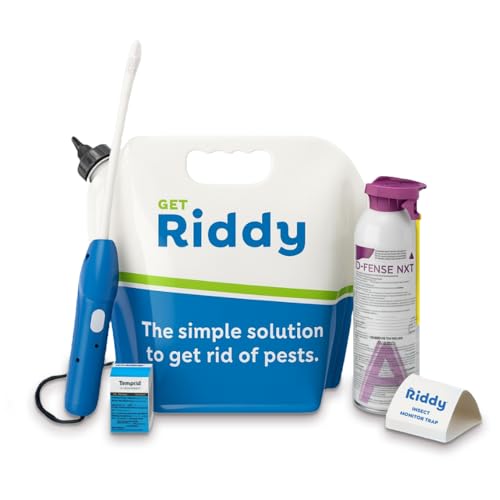
Riddy Pest Pro Kit, Includes Rechargeable Sprayer
- DIY Pest Control Kit: Professional-designed, easy to use
- Effective Against 100+ Bugs: Covers ants, spiders, roaches, and more
- Long-Lasting Barrier: Provides up to 90 days of protection
As an affiliate, we earn on qualifying purchases.
As an affiliate, we earn on qualifying purchases.

Eco Defense Pest Control Pouches – All Natural – Repels Rodents, Silverfish, Spiders, Roaches, Ants, Squirrels, & Other Pests
- Natural Pest Repellent: Repels pests with essential oils
- Long-Lasting Protection: Up to 30 days of pest control
- Versatile Indoor Use: Suitable for closets, pantries, vehicles
As an affiliate, we earn on qualifying purchases.
As an affiliate, we earn on qualifying purchases.