TL;DR
Gardening experts warn about six common pests active in July that can damage plants. Early prevention is key to maintaining a healthy garden. This report outlines confirmed pest threats and recommended control measures.
Gardening experts warn that six specific pests are most active in July and pose a significant threat to garden health if not addressed early. These pests, including aphids, Japanese beetles, and squash bugs, can cause extensive damage to plants, making timely prevention essential for gardeners.
According to horticultural specialists, the six pests to watch for in July are aphids, Japanese beetles, squash bugs, spider mites, cutworms, and cabbage worms. These pests are known to feed on a wide variety of garden plants, including vegetables, flowers, and fruit-bearing trees.
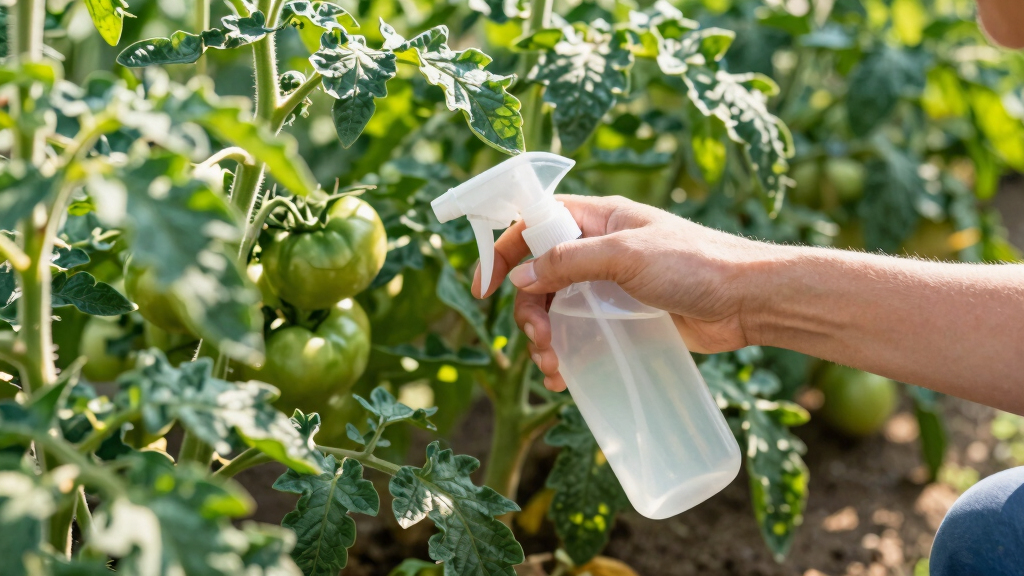
Experts recommend proactive measures such as inspecting plants regularly, removing infested foliage, and applying appropriate organic or chemical controls. For example, the University of California Cooperative Extension advises using insecticidal soap for aphids and handpicking beetles to reduce populations early.
Early detection and intervention are crucial, as untreated infestations can lead to significant crop loss and increased pest resistance over time. Gardeners are urged to stay vigilant throughout July to protect their plants from these common threats.
Why Protecting Gardens from July Pests Is Critical
Preventing pest infestations in July is vital because this period marks peak activity for many garden pests. Left unchecked, these pests can cause extensive damage, reducing yields, harming plant health, and increasing the need for more aggressive control methods later in the season. Effective early management helps maintain a productive, healthy garden and reduces the risk of pest resistance to treatments.
insecticidal soap for aphids
As an affiliate, we earn on qualifying purchases.
As an affiliate, we earn on qualifying purchases.
July Pest Activity and Past Trends in Garden Damage
Historically, July has been identified as a peak month for garden pests due to warm temperatures and increased plant growth. Past outbreaks of aphids and Japanese beetles have led to significant crop losses in various regions, emphasizing the importance of early pest management. Recent studies show that proactive control measures taken in early July can significantly reduce infestation severity later in the season.
“Early detection and targeted treatment are essential for controlling these pests before they cause irreversible damage.”
— Dr. Emily Carter, Entomologist at State University

Catchmaster Japanese Beetle Traps w/Rain-Proof Cap 6-Pack & Dual Lure, Beetle Bag Trap, Hanging Beetle Catcher, Pest Control for Backyard & Garden, Plants, Trees, Vegetables & Flowers
DUAL LURE SYSTEM: The Catchmaster Japanese Beetle Trap attractant consists of a dual sex lure and floral/food lure…
As an affiliate, we earn on qualifying purchases.
As an affiliate, we earn on qualifying purchases.
Unconfirmed Threats and Regional Variations in Pest Activity
While these six pests are confirmed as common threats in July, their activity levels can vary by region and weather conditions. The effectiveness of specific control methods may also differ based on local environments. Ongoing research is needed to refine region-specific recommendations, and some gardeners report difficulty in identifying early signs of certain pests.
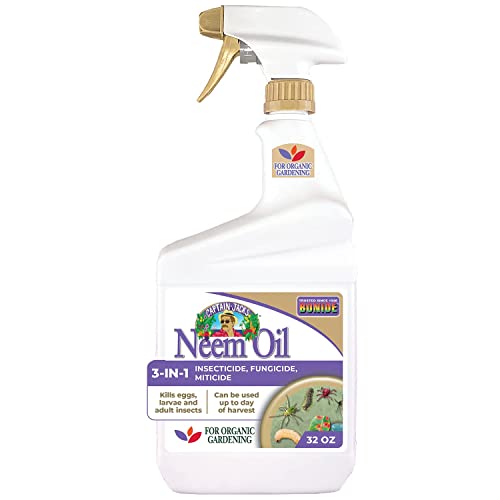
Bonide Captain Jack's Neem Oil, 32 oz Ready-to-Use Spray, Multi-Purpose Fungicide, Insecticide and Miticide for Organic Gardening
MULTI-PURPOSE BUG KILLER – Bonide Neem Oil is a perfect pest control solution for any garden dealing with…
As an affiliate, we earn on qualifying purchases.
As an affiliate, we earn on qualifying purchases.
Next Steps for Gardeners and Ongoing Pest Monitoring
Gardeners should begin regular inspections immediately and continue throughout July, focusing on the most active pests. Local extension services are expected to provide region-specific advice and updated control strategies as the season progresses. Monitoring pest populations and adjusting management practices accordingly will be key to minimizing damage.
organic pest control for squash bugs
As an affiliate, we earn on qualifying purchases.
As an affiliate, we earn on qualifying purchases.
Key Questions
What are the most effective ways to prevent pest infestations in July?
Regular plant inspections, early removal of infested foliage, and using organic controls like insecticidal soap or neem oil are recommended. Handpicking pests and encouraging natural predators can also help keep populations in check.
Which plants are most vulnerable to these pests?
Vegetables such as tomatoes, squash, and beans, as well as flowering plants like roses and fruit trees, are particularly susceptible to these pests during July.
Are chemical pesticides safe to use in July?
When used according to label instructions, chemical pesticides can be effective. However, organic methods are often preferred for their safety and environmental benefits. Always follow safety precautions to protect yourself, children, and pets.
Can these pests be controlled without chemicals?
Yes, many pests can be managed through natural methods, including handpicking, encouraging beneficial insects, and applying organic sprays like insecticidal soap or neem oil.
Source: rss