TL;DR
A Homes & Gardens Petals & Roots segment presents a container plan using iris reticulata, narcissi and tulips chosen for staggered flowering times. The approach is intended to carry patio or porch color from late winter into late spring, though the segment gives no specific planting calendar or guarantee of bloom dates.
A new Petals & Roots gardening segment from Homes & Gardens outlines a three-pot method for extending spring color: plant iris reticulata, narcissi and tulips in separate containers selected for different flowering periods. The plan is aimed at patios, terraces and porches, with the sequence intended to bring flowers from late winter through spring.

Get garden gear delivered free with Prime
- Fast, free delivery on millions of items
- Prime Video, Amazon Music and more included
- Member-only deals all year
The segment recommends using three containers of different sizes, with each pot devoted to one type of bulb. Dwarf iris are presented as the early display, narcissi as the next wave and later-flowering tulips as the final feature. The timing depends on choosing varieties with staggered bloom periods; the material does not set out exact planting dates or dates when flowers should appear.
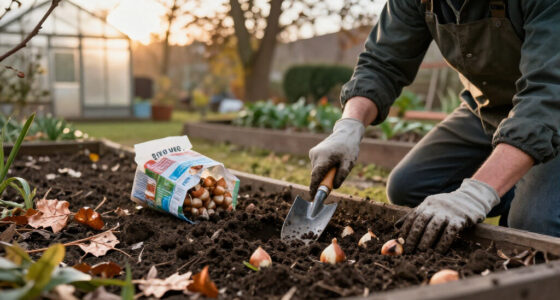
For the first pot, the presenter favors a shallow or smaller container planted with a generous number of iris reticulata bulbs. Their flowers are described as small but vivid, often in violet, purple or blue with contrasting markings. Because their flowering period is short, the segment treats them as an opening burst of color rather than a long-running display.
Narcissi offer more choice in color, size and fragrance, according to the segment, and can be planted in groups for a fuller container or used in a softer, less formal arrangement. For the last pot, it recommends a larger container and a single tulip variety planted in quantity, with later-flowering varieties suggested to extend the show. The presenter also advises choosing pots with a related material, color or style so the three containers work together visually.
Uninterrupted Spring Flowers A Three-Pot Bulb Plan
Plant iris reticulata, narcissi and tulips in separate containers for a planned succession of patio or porch color from late winter into spring.
Three pots, three flowering waves
Choose varieties with staggered flowering periods to spread the display across the season.
Use a smaller, shallow pot for vivid iris reticulata, the opening burst of color.
Plant narcissi in groups for a fuller look, or arrange them more softly.
Use a larger pot and one later-flowering tulip variety for the final feature.
A small-space display
Separate containers make the sequence practical for patios, terraces and front porches.
- Give each bulb type its own pot.
- Choose three containers with a related material, color or style.
- Position the pots where flowers can be enjoyed as they emerge.
- Bloom timing depends on variety and local conditions.
- No exact planting dates or bloom calendar are provided.
- The sequence is a recommendation, not a measured trial or guarantee.
Supplies mentioned
The segment suggests these items but does not give quantities or detailed care measurements.
Before planting
Use the episode alongside bulb and product guidance for your location.
- Select varieties suited to your local season.
- Check bulb instructions for planting and care details.
- Expect weather and growing conditions to affect flowering.
A Longer Season From Three Pots
The method offers a way to spread the display across several weeks rather than having all the flowers open at once. That can be useful for people with limited garden space: the segment specifically suggests containers for a patio, terrace or front porch, rather than requiring a planted border or a large garden.
Separating bulbs by type also makes it easier to position each pot where its flowers can be seen as they emerge. The plan is a gardening recommendation, not a measured trial, and the supplied material does not provide comparative results showing how long a display lasts. Flowering will depend on the varieties selected and local growing conditions, so the stated season should be read as an intended sequence rather than a fixed schedule.
Products Worth Considering

Palram Canopia Mythos 6' x 8' Polycarbonate Greenhouse, Silver

EGO Power+ SNT2425 24-Inch Two-Stage Snow Blower with Two 7.5Ah Batteries and Dual-Port Charger

Greenworks 48V Cordless 17-Inch Push Lawn Mower with Two 4.0Ah Batteries
As an affiliate, we earn on qualifying purchases.
How the Bulb Sequence Works
The segment is part of Petals & Roots, a bi-weekly video series presented by Rachel Bull, identified in the material as Head of Gardens at Homes & Gardens. The weekend episode focuses on arranging spring bulbs in containers, rather than planting bulbs together in one pot or describing a general garden-bed plan.
Its sequence starts with iris reticulata, which the segment says can flower while winter still feels present, moves to narcissi, then finishes with tulips selected for later flowering. The episode’s suggested supplies include bulbs, three pots, organic compost, bulb feed, horticultural grit, a bulb dibber and a watering can. The material does not provide quantities, container dimensions, planting depth, or detailed care instructions for those supplies.
““I love the idea of creating a display that unfolds gradually, giving you something beautiful to enjoy over several months.””
— Rachel Bull, presenter of Petals & Roots
Bloom Dates Depend on Variety
The segment does not name specific iris, narcissus or tulip varieties for the full sequence, apart from referring to ‘Orange Dordogne’ as an example of a later tulip. It also gives no planting dates, climate zone, or expected bloom calendar. Readers cannot infer from the episode alone exactly when to plant in their area or how many weeks each pot will flower.
The material describes an intended succession of blooms, but does not report test results or promise uninterrupted color in every garden. Local weather, growing conditions and the bulbs chosen may affect timing. Detailed instructions for drainage, watering, feeding rates and frost protection are also not specified.
Watch the Episode for Guidance
The next step for readers interested in the method is to watch the weekend Petals & Roots episode referenced by Homes & Gardens and use it alongside variety information for their location. The segment says the series publishes every second Sunday on social media, but the supplied material does not identify the episode’s date or provide a schedule for further bulb advice.
Before planting, gardeners will need to select varieties with flowering periods that fit their local season and check the instructions supplied with the bulbs and products they use. Whether the three-pot plan produces a continuous display will only become clear as the bulbs grow and flower.
Key Questions
Which bulbs are used in the three-pot plan?
The segment recommends iris reticulata, narcissi and tulips, with one type assigned to each container.
How is the flowering sequence meant to work?
Dwarf iris are intended to flower first, followed by narcissi and then later-flowering tulips. The exact dates depend on the varieties and local growing conditions.
Do I need a large garden?
No. The approach is designed for containers and is suggested for patios, terraces and front porches as well as gardens.
Does the segment give exact planting dates?
No. The supplied material lists suggested supplies and bulb types but does not give a planting calendar, local climate guidance or exact care measurements.
Source: homesandgardens.com