TL;DR
Houseplants may drop leaves in November as shorter days reduce available light and cooler temperatures or drafts stress plants. Check each plant’s light and temperature, make gradual adjustments, avoid overwatering, and remove dead foliage carefully.
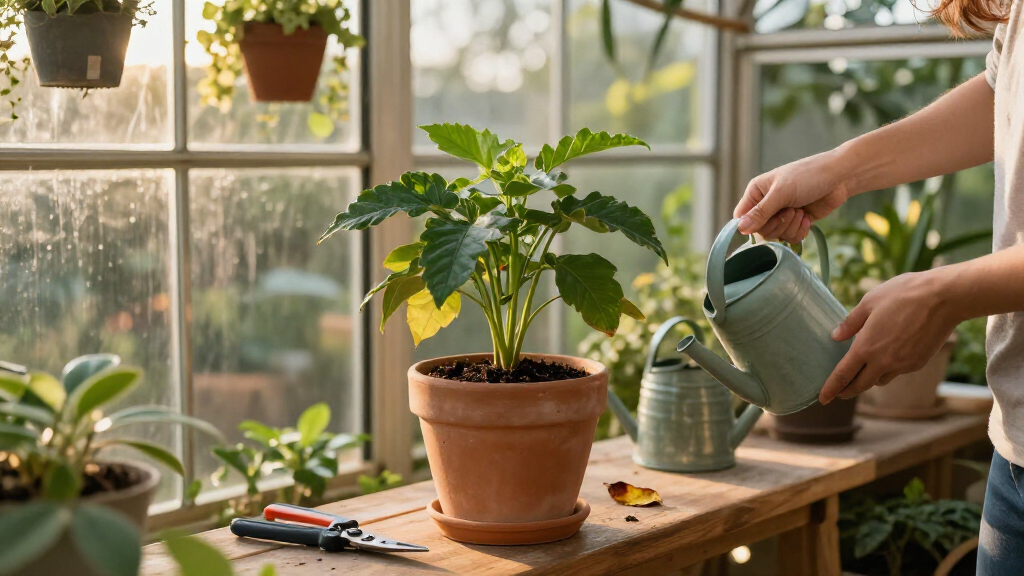
Shorter days and cooler indoor conditions can leave houseplants vulnerable to leaf drop in November, according to seasonal care guidance from Homes & Gardens. The recommended response is to check plants’ surroundings and adjust light, temperature, and care routines before stress worsens; the guidance does not establish that low light is the cause of every case of falling leaves.

Get garden gear delivered free with Prime
- Fast, free delivery on millions of items
- Prime Video, Amazon Music and more included
- Member-only deals all year
1. Check the plant’s location. Look for cold drafts, proximity to heating vents or radiators, and how much natural light reaches the plant. Moving a plant closer to a bright window may help, provided the new spot does not expose it to cold glass or a draft. The right conditions vary by plant, so check its individual needs rather than assuming every houseplant needs the same light level.
2. Add light carefully. Shorter days and limited daylight indoors can reduce the light available for photosynthesis, leaving a plant with less energy to maintain growth and foliage. Where a suitable bright window is not available, a grow light is one option. Turning a plant periodically can help different sides receive light, while cleaning dusty leaves and windows can reduce barriers to the daylight already available.
3. Keep temperatures more stable. Sudden temperature changes from cold drafts or indoor heating can stress tropical plants, according to the guide. It gives 65–75°F as a general indoor range, while advising owners to check the needs of their particular plant. Keep plants away from heaters and chilly windows; wrapping a pot in breathable material is suggested as one way to add insulation if a room is cold.
4. Avoid adding water automatically. The guidance cautions against overwatering during winter care and notes that temperature stress may affect water uptake through roots. A plant dropping leaves does not, by itself, show that it needs more water. Check its soil and care requirements before changing the watering schedule, and monitor it as its surroundings change.
5. Remove dead leaves with restraint. Pruning dead foliage can remove material that is no longer healthy, but the guide advises against removing more than one-third of the plant at once because heavy pruning may add stress. Check leaves regularly for pests, too: pests and other care problems can also cause leaf drop, so light and temperature should not be treated as the only possible explanations.
5 ways to care for leaf-dropping plants
Shorter days and cooler indoor conditions may stress houseplants in November. Check the plant and its surroundings before changing its care routine.
Check the surroundings
Light, drafts, heating and plant type all matter.
Check light and drafts
Look for cold glass, drafts and nearby heaters before moving a plant toward a bright window.
Add light carefully
Turn the plant periodically, clean dusty leaves and windows, or consider a grow light if daylight is limited.
Keep conditions steady
The suggested temperature is a general range; needs vary by plant.
Adjust care with restraint
Leaf drop alone does not identify the cause or mean the plant needs more water.
Follow the plant’s care needs before changing the watering schedule.
Prune carefully and avoid removing more than one-third of the plant at once.
Inspect leaves regularly; pests and other care problems can also cause leaf loss.
Small Changes Can Reduce Plant Stress
Leaf loss can be an early sign that a plant is struggling, but treating it as an automatic signal to water more or prune heavily may make matters worse. The practical value of the advice is its focus on checking conditions before intervening: light, drafts, heating, watering, and pests can all affect a plant, and more than one factor may be involved.
Because the guide describes seasonal risks rather than diagnosing individual plants, these steps are best understood as checks, not a guarantee of recovery. A plant’s species and the extent of its decline matter. Adjusting its environment gradually and watching for changes can help an owner avoid introducing further stress while deciding whether another problem needs attention.
Products Worth Considering

Traeger Woodridge Pro Wood Pellet Grill and Smoker, 970 sq. in., WiFIRE

Garvee 6 × 8 ft Walk-In Greenhouse with Polycarbonate Panels and Aluminum Frame

Garvee 8 × 10 ft Walk-In Polycarbonate Greenhouse
As an affiliate, we earn on qualifying purchases.
Why November Changes Indoor Conditions
As fall gives way to winter, days get shorter and many homes provide less natural light. The guidance says that reduced light can limit photosynthesis and slow growth. It also describes how cold drafts and heating can create temperature fluctuations and dry indoor air, which may affect plants that prefer steady warmth.
The article notes that some houseplants need at least eight hours of bright light, but this is not a universal requirement; it also recognizes that some indoor plants tolerate lower light. The key background is that seasonal changes can alter a plant’s growing environment even when its owner has not changed their routine.
Leaf Drop Has Several Possible Causes
The cause of any particular plant’s leaf loss is not confirmed by the symptoms alone. The guidance identifies low light and cooler temperatures as common seasonal factors, but also mentions pests and care mistakes. It does not provide plant-specific diagnoses, measurements of how often November leaf drop occurs, or evidence that the suggested adjustments will revive every affected plant.
It is also not clear how much light or warmth an individual plant needs without knowing its species and location. Owners should observe whether conditions improve after a change and look for other signs of stress or pests rather than assuming one seasonal explanation accounts for all symptoms.
Monitor Plants After Each Adjustment
Start by checking light, drafts, heater exposure, and soil conditions, then make measured changes rather than changing several parts of the routine at once. Keep an eye on leaves and temperature fluctuations, and inspect regularly for pests. If pruning, limit it to dead foliage and avoid removing more than a third of the plant.
There is no single next milestone or recovery timetable given. Continue to follow the care needs of the particular plant through winter and reassess if leaf loss continues or other symptoms appear. Stable conditions and careful observation are the recommended next steps, not a promise that every plant will recover.
Source: rss
Key Questions
Why might a houseplant drop leaves in November?
Shorter days and cooler or fluctuating indoor temperatures may stress some plants. Pests and care mistakes can also cause leaf loss, so check the plant and its environment before settling on a cause.
Should I water a plant more when it drops leaves?
Not automatically. The guidance warns against overwatering in winter and says temperature stress can affect water uptake. Check the soil and the plant’s care requirements before changing how often you water.
Can a grow light help a houseplant in winter?
A grow light may help where available daylight is insufficient. The right amount of light depends on the plant, so use its specific care needs when choosing a location or supplemental light.
How much should I prune from a struggling plant?
Remove dead leaves carefully, but the guide advises against pruning more than one-third of the plant at once because heavy pruning may add stress.
What indoor temperature is suggested for houseplants?
The guidance gives 65–75°F as a general range, not a rule for every species. Check the needs of your plant and try to avoid sudden changes, cold drafts, and direct exposure to heaters.
Source: homesandgardens.com