TL;DR
Potter and East Fork founder Alex Matisse says his 23-acre woodland property near Asheville gives him a place to work with his hands and spend time outdoors with his family. In a Garden Diaries interview, he described its trails, creekside landscape, native plants and his seasonal cycle of spring gardening followed by a more relaxed summer.
Potter and East Fork founder Alex Matisse says tending the garden around his home near Asheville helps him reconnect with the physical world and find respite from running a business. In a Garden Diaries interview, he described a 23-acre woodland property shaped by trails, water, native plants and small cultivated areas rather than a sharply defined garden boundary.

Get garden gear delivered free with Prime
- Fast, free delivery on millions of items
- Prime Video, Amazon Music and more included
- Member-only deals all year
Matisse’s home sits within 23 acres of woods, with a creek running through a ravine and a larger stream along one edge of the property, according to his account. Trails wind through the forest and down toward the water. He described the garden as “porous”: tended planting near the house gives way to the surrounding woodland, where the family has made additional paths and small spaces.
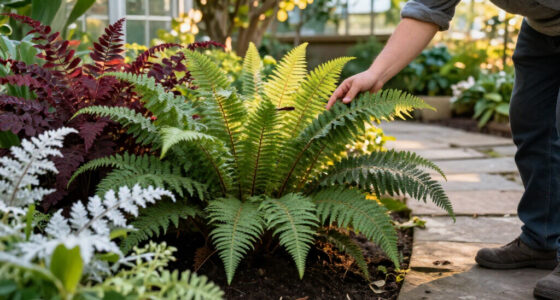
The planting combines native species and personal associations. Near the kitchen entrance, Matisse has a small native garden containing plants he has moved from nearby woods, including ginseng, Jack-in-the-pulpit, mayapple and ferns. At the front of the house, a large sweet fern shrub reminds him of growing up in the woods in New England. He said the plant is not a true fern and that its familiar presence connects the North Carolina garden with memories of childhood.
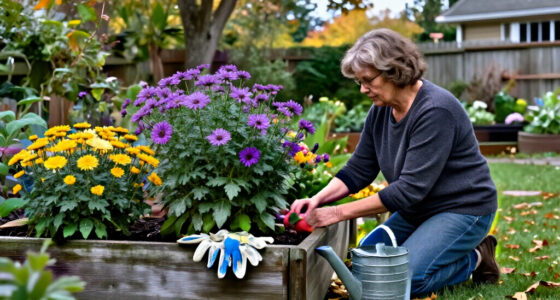
His routine changes with the seasons. Matisse said he tends to become intensely focused on the garden in spring, cleaning, planting and moving plants to see what grows well. By summer, he generally lets the garden grow and enjoys it. He also described experiments with irises, roses, bee balm, butterfly bush, fig and passionflower, as well as pawpaw trees that fruited for the first time that year. The source does not specify the year of those gardening observations.
A woodland garden closer to nature
Potter and East Fork founder Alex Matisse describes how trails, native plants and seasonal gardening connect his home life with the outdoors.
A garden that meets the woods
Matisse describes a landscape shaped by water, paths and small tended spaces.
Trails and water
Paths wind through the woods toward a creek in a ravine and a larger stream along the property.
Native plants close to home
Near the kitchen entrance, he grows ginseng, Jack-in-the-pulpit, mayapple and ferns moved from nearby woods.
A familiar sweet fern
The shrub at the front of the house reminds him of growing up in the woods in New England.
A seasonal rhythm
His gardening shifts from hands-on spring work to a more relaxed summer.
He cleans, plants and moves things around to see what grows well.
He generally lets the garden grow and enjoys it.
A personal counterpoint to work
Matisse says time outdoors helps him reconnect with physical routines that can slip when business is demanding.
- Working with his hands
- Connecting with the physical world
- Outdoor time with family
- Its effect is Matisse’s own account
- Plant performance reflects his observations
- The source does not assess ecological effects
A Woodland Retreat From Work
Matisse connects gardening with the ordinary physical routines he says can fall away when work becomes demanding. “I need to be using my body, connecting with the physical world, sleeping, drinking water,” he said, adding that running East Fork can make it harder to maintain those habits. He described the garden as aiding his “sanity,” a personal account of its value rather than a clinical claim.
The property also makes outdoor time part of family life. Its paths, creek and wooded areas offer places to explore and gather, while the changing planting gives Matisse room to experiment. His description shows one way a home garden can extend into the landscape rather than stop at a lawn or formal border. The relevance is personal and practical: for Matisse, working outdoors offers a counterpoint to the pace and responsibilities of his pottery business.
Products Worth Considering

Greenworks 80V Cordless Axial Leaf Blower Kit with 4Ah Battery and Charger

Husqvarna Power Axe 350i 18-Inch Cordless Chainsaw Kit

Palram Canopia Mythos 6' x 8' Polycarbonate Greenhouse, Silver
As an affiliate, we earn on qualifying purchases.
Gardening Shaped by Place
Matisse is a potter and founder of East Fork, a North Carolina pottery business rooted in handmade production, according to the source. The profile also notes that he is descended from French artist Henri Matisse, while emphasizing that he has developed his own career through pottery. It does not provide further details about his role at the company or its current operations.
The garden reflects the conditions and memories Matisse described, rather than a single formal design plan. He said some plants handle the property’s winters while others struggle: his fig dies back to the ground and returns, and jasmine does not survive the winter there. He has also planted species he remembers from childhood and moved native plants from the surrounding woods. The source presents these as his own observations, not as a general planting guide for the region.
“The garden is kind of porous, in a sense.”
— Alex Matisse, in Garden Diaries
Details the Profile Leaves Open
The source does not state when the interview was published, give a precise location for Matisse’s home, or identify the year in which the pawpaw trees first fruited. It also does not provide independent reporting on the property, East Fork’s business or the garden’s ecological effects. Wildlife sightings, plant performance and the garden’s benefits are described by Matisse and should be understood as his account.
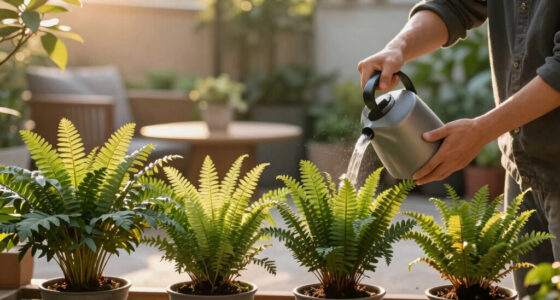
The profile mentions a section titled “Creating Little Worlds in Pots,” but the supplied material ends before details from that section appear. It is therefore unclear how Matisse uses containers in the garden or what specific planting choices he discusses there.
Seasonal Work Continues in the Garden
No upcoming event or formal next step is identified in the source. Matisse describes an ongoing pattern: spring brings concentrated cleaning, planting and rearranging, while summer is a time to let the garden grow and spend time enjoying it. The profile offers a snapshot of that approach rather than a schedule for future projects.
Further details about the garden’s containers or later changes would depend on additional reporting or a fuller version of the Garden Diaries material. For now, the confirmed account is Matisse’s description of a lived-in woodland landscape and the role he says it plays alongside his work and family life.
Key Questions
Where is Alex Matisse’s woodland garden?
It is on a 23-acre property near Asheville, North Carolina, according to the Garden Diaries source. Matisse describes woods, trails, a creek and a larger stream along the property.
What does Matisse say the garden gives him?
He says it helps him use his body, connect with the physical world and take a break from the demands of running East Fork. That is his personal description of the garden’s effect.
What plants does he grow?
His examples include native plants such as ginseng, Jack-in-the-pulpit, mayapple and ferns, along with sweet fern, irises, roses, bee balm, butterfly bush, fig, passionflower and pawpaw.
How does Matisse’s gardening change through the year?
He says spring is usually his most active period, when he cleans, plants and moves things around. By summer, he tends to let the garden grow and enjoy it.
Does the source describe his container gardening?
Only a heading about creating “little worlds in pots” appears in the supplied material. The section itself is cut off, so specific container choices are not available.
Source: homesandgardens.com