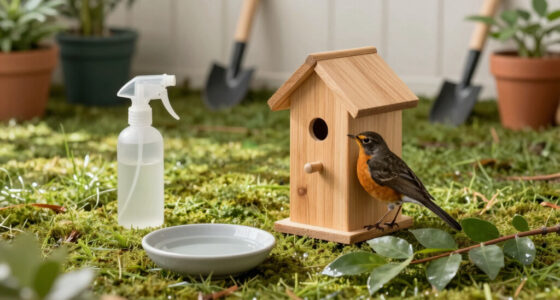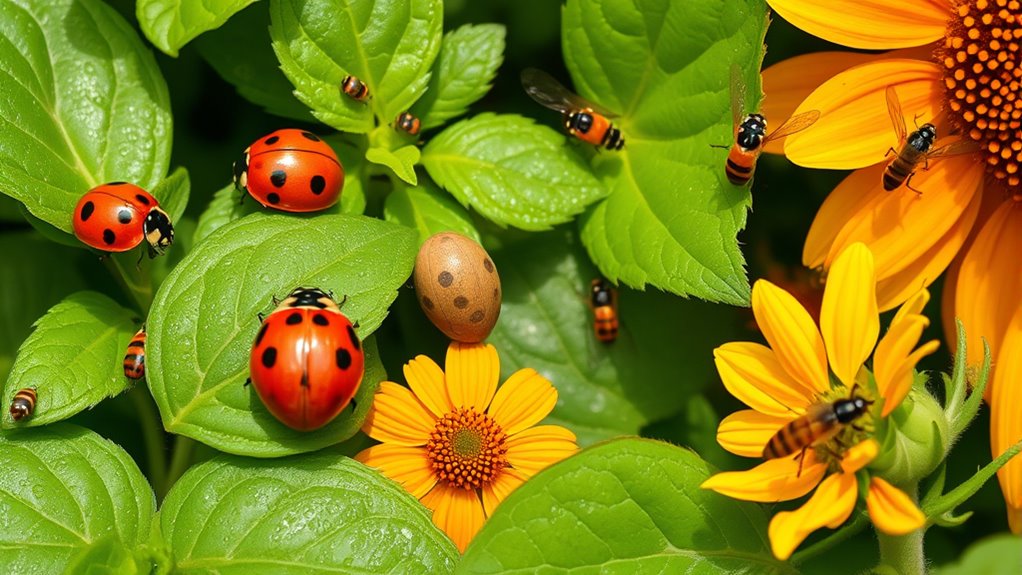

Here are seven beneficial insects every gardener should know: ladybugs, which feast on aphids and scale insects; parasitic wasps that target caterpillars and pest larvae; lacewings that feed on spider mites and whiteflies; predatory beetles that attack pest eggs; thrips that help control certain pest populations; hoverflies whose larvae eat aphids; and ground beetles that hunt soil-dwelling pests. Creating habitats with nectar-rich plants and shelter encourages these helpful insects to thrive. Keep exploring to learn how to attract and support them effectively.

Get garden gear delivered free — and shop member deals
- Fast, free delivery on millions of items
- Access to Prime Big Deal Days deals on October 6–7
- Prime Video, Amazon Music and more included
Key Takeaways
- Ladybugs effectively control aphids, scale insects, and other soft-bodied pests.
- Parasitic wasps target caterpillars and pest larvae, reducing pest populations naturally.
- Green lacewings feed on spider mites, whiteflies, and small pest insects, promoting plant health.
- Adult beneficial insects rely on nectar-rich flowers like fennel and daisies for sustenance.
- Creating habitats with native plants, mulch, and water sources boosts beneficial insect populations.
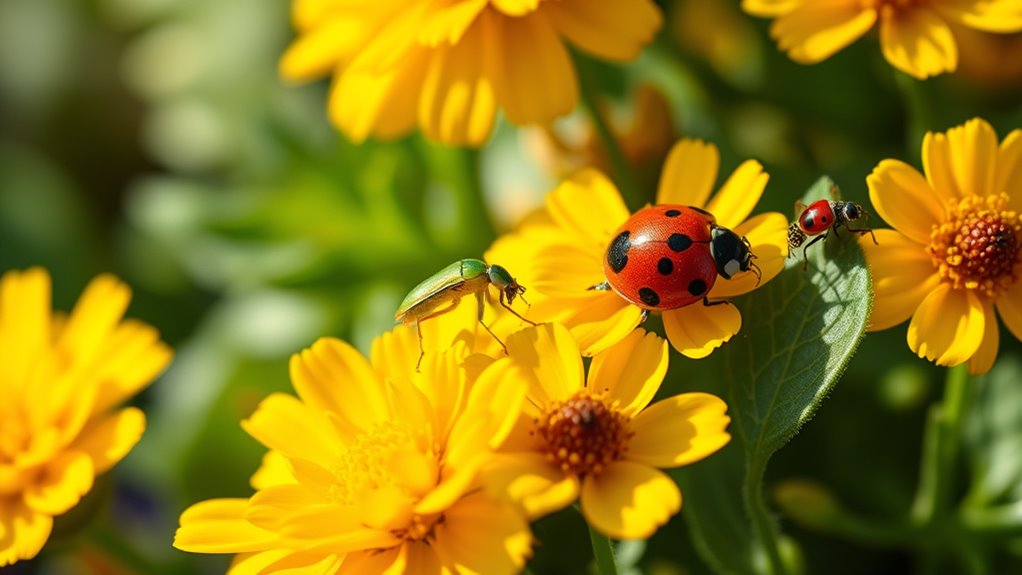
Beneficial insects can be your best allies in maintaining a healthy, pest-free garden. They play a crucial role in pest control strategies, naturally reducing the need for chemical pesticides and helping to sustain an eco-friendly environment. When you focus on insect habitat enhancement, you create an inviting space for these helpful creatures, encouraging them to stay and do their job effectively. By understanding and supporting beneficial insects, you can develop a balanced ecosystem that keeps pests in check while promoting plant health. Incorporating insect habitat enhancement strategies can significantly increase the presence of beneficial insects and improve your garden’s overall health. Start by identifying which beneficial insects you want to attract. Ladybugs, for example, are voracious eaters of aphids and scale insects, while parasitic wasps target caterpillars and other pest larvae. Lacewings feed on a variety of soft-bodied pests, including spider mites and whiteflies. To encourage these insects, you should incorporate specific habitat enhancements, such as planting nectar-rich flowers like dill, fennel, and daisies. These plants provide essential food sources for adult beneficial insects, ensuring they stay active in your garden longer. Additionally, leaving some areas undisturbed with leaf litter or mulch offers shelter and overwintering sites, further supporting their populations. Creating a diverse plant environment is another key pest control strategy. Incorporate a mix of flowering plants, herbs, and native plants to attract a range of beneficial insects. Avoid broad-spectrum insecticides, which can wipe out both pests and helpful insects indiscriminately. Instead, use targeted treatments only when necessary, and opt for organic or biological controls that complement the activity of beneficial insects. This approach not only preserves their populations but also enhances the overall health of your garden ecosystem. Water sources are equally important. Providing a shallow dish with stones or a small puddle can serve as a water station for insects, especially during hot or dry periods. Remember, a well-maintained garden that offers food, shelter, and water will naturally attract and sustain beneficial insects, making pest management more sustainable and less labor-intensive.
beneficial insect habitat garden kit
As an affiliate, we earn on qualifying purchases.
As an affiliate, we earn on qualifying purchases.
Frequently Asked Questions
How Do Beneficial Insects Affect Native Ecosystems?
You might wonder how beneficial insects affect native ecosystems. They engage in native predator interactions, helping control pests naturally and reducing the need for chemicals. These interactions support insect biodiversity impacts by maintaining healthy, balanced populations. By fostering beneficial insects, you can promote a resilient ecosystem, encouraging native species to thrive. Overall, beneficial insects positively influence native ecosystems, ensuring ecological stability and reducing pest pressures sustainably.
Are Beneficial Insects Safe for Children and Pets?
You might wonder if beneficial insects are safe for children and pets. Generally, these insects are non-toxic and pose little risk, making them safe for child safety and pet protection when used correctly. They naturally control pests without harmful chemicals, so you can enjoy a healthy garden without worrying about accidental poisoning or allergic reactions. Just guarantee you follow application guidelines, and your kids and pets can safely coexist with these helpful creatures.
How Can I Attract Beneficial Insects Naturally?
Did you know that creating insect habitats can boost beneficial insect populations by up to 60%? To attract them naturally, focus on diversifying your garden with native plants, flowers, and shrubs that provide nectar and pollen. Incorporate pest control strategies like leaving some areas undisturbed for overwintering insects. By doing so, you’re encouraging beneficial insects to settle in, helping you maintain a healthy, balanced garden ecosystem effortlessly.
Do Beneficial Insects Spread Plant Diseases?
You might wonder if beneficial insects spread plant diseases through insect transmission. Generally, beneficial insects don’t carry or transmit plant pathogens, but insect disease transmission can happen if they carry pests or fungi. To avoid issues, practice beneficial insect precautions like using healthy, pest-free insects and avoiding broad-spectrum insecticides. This helps guarantee your garden benefits from their natural pest control without risking plant health.
What Are Common Misconceptions About Beneficial Insects?
Think of beneficial insects as your garden’s quiet heroes, not pests in disguise. Common misconceptions, like believing they’re all harmless or that pesticide misconceptions won’t harm them, can be dangerous. In reality, predator-prey dynamics are delicate, and pesticides may wipe out helpful insects along with pests. You need to see these insects as allies, working in harmony, not enemies, to keep your garden balanced and thriving.
organic pest control insect attractants
As an affiliate, we earn on qualifying purchases.
As an affiliate, we earn on qualifying purchases.
Conclusion
By welcoming these beneficial insects, you protect your garden naturally, reducing chemical use and promoting healthy growth. Just as these tiny creatures quietly battle pests, your patience and care can transform your garden into a thriving haven. Remember, sometimes the smallest allies make the biggest difference—proving that strength often comes in delicate forms. Embrace these insects, and you’ll find that nature’s smallest warriors are your greatest garden partners.
ladybug and lacewing garden packs
As an affiliate, we earn on qualifying purchases.
As an affiliate, we earn on qualifying purchases.
native plant seeds for beneficial insects
As an affiliate, we earn on qualifying purchases.
As an affiliate, we earn on qualifying purchases.
Fall Picks
fall essentials
As an affiliate, we earn on qualifying purchases.