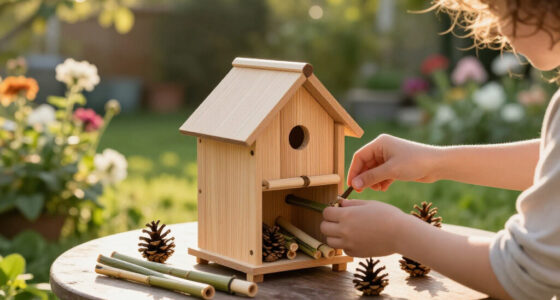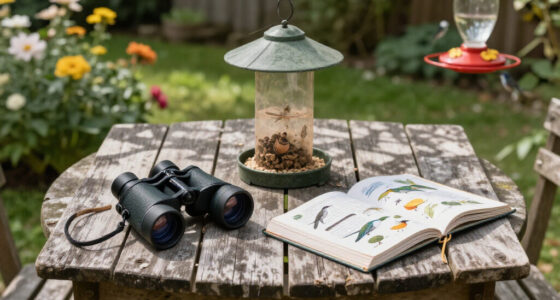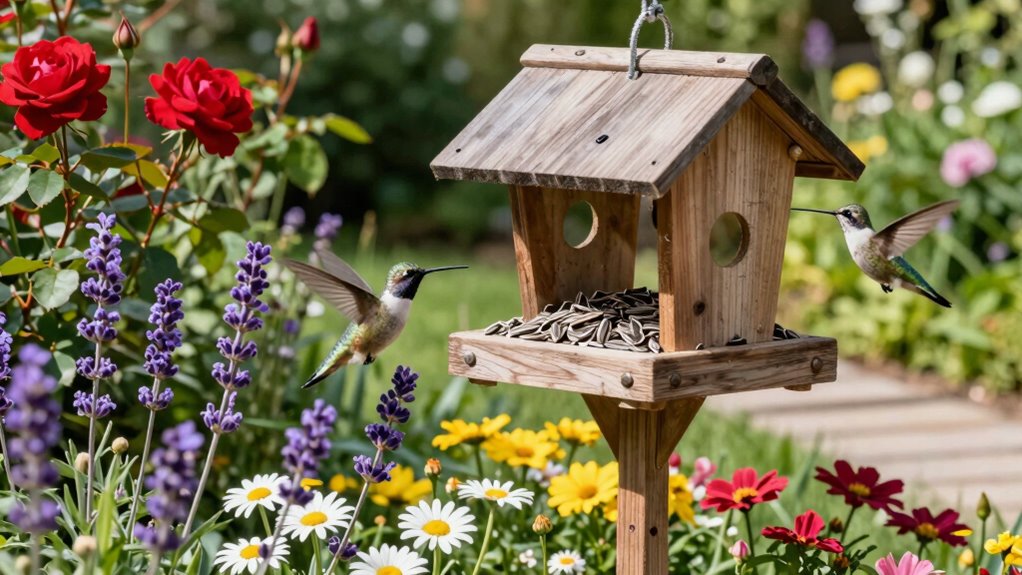

Choosing native plants attracts birds that support your garden’s health and beauty, providing natural pest control and vibrant wildlife. However, it’s easy to overlook potential downsides, like certain birds damaging plants or predators like cats and hawks threatening your feathered visitors. By understanding these trade-offs, you can plan a balanced, thriving space that benefits both your garden and local wildlife. Keep exploring to discover how to create a harmonized bird-friendly environment that works for everyone.

Get garden gear delivered free with Prime
- Fast, free delivery on millions of items
- Prime Video, Amazon Music and more included
- Member-only deals all year
Key Takeaways
- Native plants support local birds and biodiversity but may attract pests or larger birds that damage plants.
- Increased bird activity can draw predators like cats and hawks, risking bird safety.
- Promoting bird-friendly gardens reduces chemical use but may require managing unintended pest or seed predation.
- Balancing habitat benefits with potential drawbacks involves thoughtful plant selection and predator control.
- Understanding ecological trade-offs helps create sustainable, harmonious gardens that benefit both birds and plants.
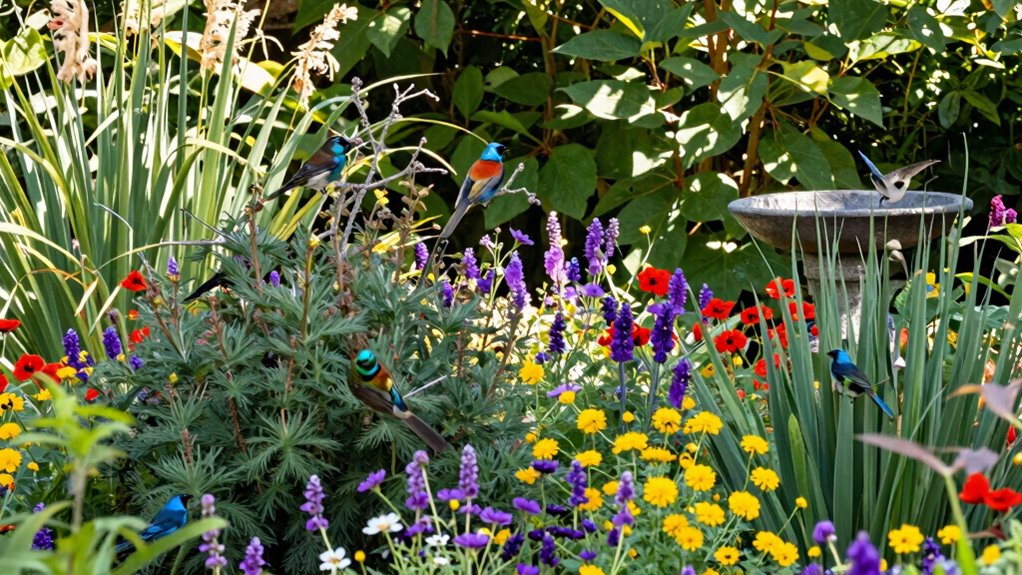
Creating a bird-friendly garden not only attracts beautiful species but also offers numerous benefits for your overall gardening experience. When you choose native plants, you’re providing familiar food sources and shelter that support local bird populations. These plants are adapted to your region’s climate and soil, making them easier to maintain and more resilient. As a result, your garden becomes a thriving habitat that naturally encourages bird activity, bringing vibrancy and life to your outdoor space.
Native plants support local birds, creating a vibrant, resilient, and lively garden habitat.
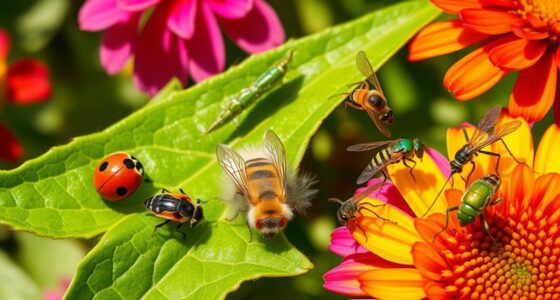
One major advantage of inviting birds into your garden is natural predator control. Birds, such as sparrows, chickadees, and warblers, hunt insects and pests that can damage your plants. By encouraging these birds, you reduce the need for chemical pesticides, creating a healthier environment for your garden and the surrounding ecosystem. This form of biological pest management is effective and sustainable, helping you cultivate a lush, healthy garden without harmful chemicals.
However, many gardeners overlook an essential trade-off: attracting certain bird species can sometimes lead to unintended consequences. While you might delight in the sight of colorful songbirds, some species are known to feast on ripening fruits, seeds, or even freshly planted seedlings. Larger birds like grackles or magpies may also scavenge or peck at young plants, occasionally causing damage. It’s easy to focus on the aesthetic and ecological benefits and forget that some birds may become pests themselves, creating a delicate balance between attracting wildlife and managing garden health. Recognizing the impact of bird behavior can help you plan more effectively for a harmonious garden. Additionally, understanding native plants and their role in supporting local birds can aid in creating a more balanced environment.
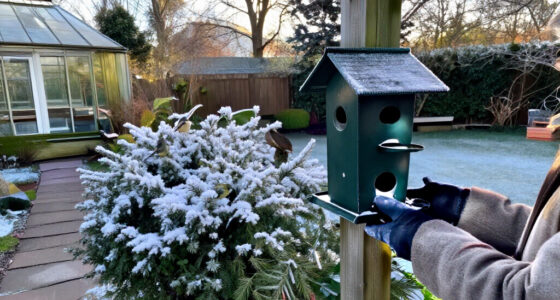
Another consideration is that a garden teeming with birds can inadvertently attract predators such as cats, hawks, or owls. Your efforts to draw in friendly songbirds might also invite predatory animals that can threaten these same birds. If you’re not cautious, this can lead to a decline in bird populations rather than an increase. To mitigate this, many gardeners install bird-safe barriers or provide nesting sites away from predators, but it’s important to recognize that these measures require ongoing attention. Additionally, understanding water chemistry and how it impacts bird health can help ensure a balanced ecosystem that supports both your garden and its avian visitors. Creating balanced ecosystems is essential for maintaining the health of all wildlife involved. Moreover, being aware of environmental factors that influence bird survival can further improve your garden’s harmony.
In the end, creating a bird-friendly garden involves understanding and managing these trade-offs. While native plants and predator control support a healthy, balanced ecosystem, they also come with challenges. By being aware of the potential pitfalls, you can design a space that celebrates the beauty of local birds while minimizing the risks of pests and predators. This mindful approach enhances your gardening journey, making it more rewarding and harmonious with nature.
As an affiliate, we earn on qualifying purchases.
Frequently Asked Questions
How Do Bird Benefit Gardens Affect Local Insect Populations?
Bird benefit gardens help control local insect populations by naturally reducing pests through bird predation. As you attract more birds with diverse plants, they’ll hunt insects like beetles and caterpillars, decreasing the need for chemical pest control. This increased plant diversity supports a balanced ecosystem, fostering healthy insect populations that don’t overwhelm your garden. Overall, your garden becomes a thriving, sustainable habitat benefiting both plants and insects.
Are There Any Negative Impacts on Native Plant Species?
Yes, bird benefit gardens can sometimes negatively impact native plant species. When non-native plants are introduced to attract birds, they might outcompete native plants, disrupting native plant preservation. This can upset the ecosystem balance, reducing biodiversity. To avoid this, focus on planting native species that support local wildlife without threatening native plants, ensuring your garden benefits birds while maintaining the health and diversity of the local ecosystem.
What Are the Best Plants to Attract Specific Bird Species?
Think of your garden as a bird buffet—choosing native plant selection makes it irresistible. To attract specific species, plant milkweed for monarchs or coneflowers for goldfinches. Seasonal planting strategies guarantee a constant food supply, like a well-stocked pantry. For instance, planting berries in fall draws thrushes. Your thoughtful choices create a haven where birds thrive, turning your garden into a lively, ever-changing sanctuary.
How Can Gardeners Prevent Attracting Unwanted Pests?
You can prevent attracting unwanted pests by practicing good pest control techniques and maintaining garden hygiene. Regularly remove fallen leaves, decaying plants, and weeds that harbor pests. Use natural deterrents like neem oil or beneficial insects to keep pests in check without chemicals. Keep your garden tidy, prune plants properly, and clear debris to minimize hiding spots for pests, helping create a balanced environment that discourages unwanted visitors.
Do Bird Benefit Gardens Require Special Maintenance or Cleanup?
Think of your garden as a symphony—each part needs harmony. Bird benefit gardens require some maintenance and cleanup, especially in garden design, to keep pests at bay. Regularly removing debris, fallen fruit, and old plant matter prevents pest buildup. Birds help with pest control, but you still need to balance their benefits with upkeep to sustain a healthy, thriving space. A little effort ensures your garden remains lively and pest-free.
bird-friendly garden bird feeders
As an affiliate, we earn on qualifying purchases.
As an affiliate, we earn on qualifying purchases.
Conclusion
Like Pandora’s box, your love for attracting birds opens a world of beauty and joy, but not without surprises. While the cheerful chirping and vibrant visits boost your garden’s charm, they come with hidden trade-offs—such as pests or plant damage. Remember, even Icarus soared too close to the sun; embracing nature’s gifts requires balance. So, enjoy your avian visitors, but stay vigilant—wisdom, like a well-tended garden, keeps the harmony thriving.
garden predator deterrent devices
As an affiliate, we earn on qualifying purchases.
As an affiliate, we earn on qualifying purchases.
As an affiliate, we earn on qualifying purchases.
Fall yard work Picks
leaf blowers
As an affiliate, we earn on qualifying purchases.