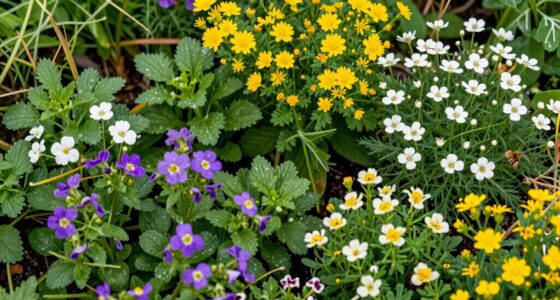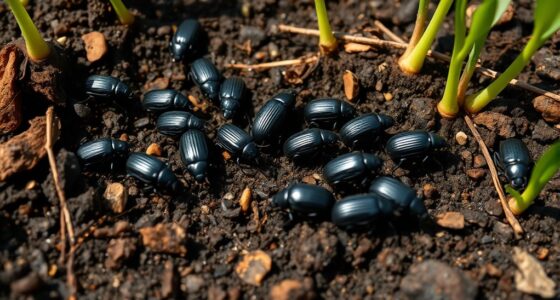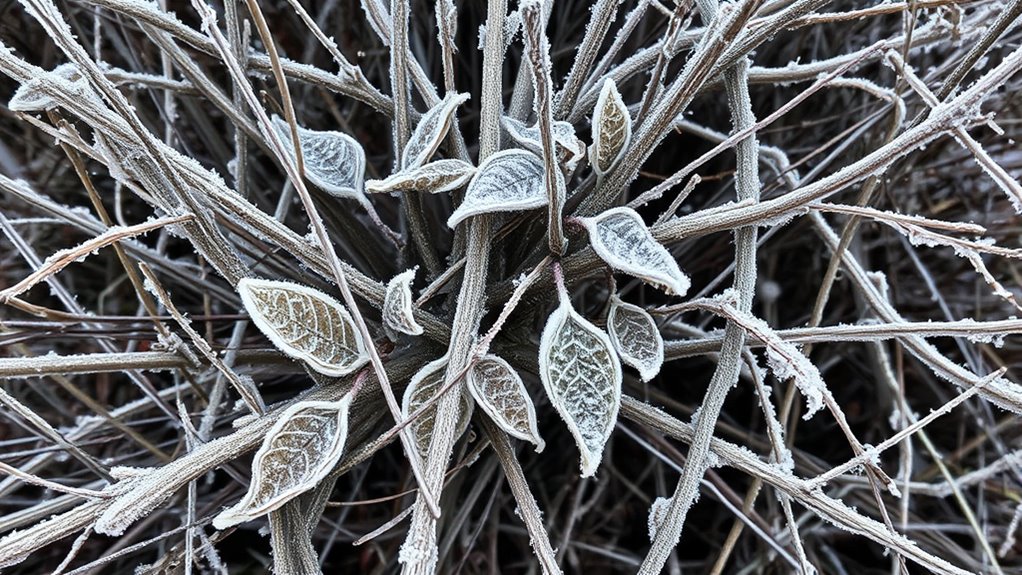

Stems, leaves, and brush create essential overwintering habitats by offering protection and insulation during cold months. Dense vegetation helps animals stay safe from predators and shields them from harsh weather. Evergreen trees and thick shrubs trap heat and reduce wind effects, making the environment more comfortable for wildlife. Native plants are especially important because they suit the local climate and support a healthy ecosystem. To discover how these features influence winter survival, keep exploring this topic.

Get garden gear delivered free with Prime
- Fast, free delivery on millions of items
- Prime Video, Amazon Music and more included
- Member-only deals all year
Key Takeaways
- Dense stems and brush provide physical protection from predators and harsh winter weather.
- Leaves and foliage create microclimates that trap heat and insulate overwintering animals.
- Evergreen plants retain leaves year-round, offering continuous shelter during winter months.
- Plant structures like thick branches help shield wildlife from wind, snow, and extreme cold.
- Native plant species are vital for supporting local overwintering habitats and biodiversity.

As winter approaches, understanding the importance of an overwintering habitat becomes essential for wildlife survival. During this time, animals rely heavily on specific features of their environment to protect themselves from harsh conditions. One critical aspect of this habitat is the presence of stems, leaves, and brush, which serve as vital shelter and insulation. Recognizing how plant adaptation influences habitat selection can help you better appreciate why certain plants and areas are so crucial for overwintering wildlife.
Plants have evolved remarkable adaptations to survive cold temperatures. These adaptations include thick bark, needle-like leaves, or the ability to go dormant, all of which help plants conserve water and energy during winter. When it comes to habitat selection, animals tend to seek out areas rich in these resilient plants because they offer essential cover and insulation. For example, dense brush and shrubbery provide a protected environment where smaller animals can hide from predators and extreme weather. The stems and thick foliage of certain plants act as natural insulation, reducing heat loss and shielding animals from wind and snow. In this way, plant adaptation directly influences where animals choose to overwinter, guiding them toward habitats that offer the best protection.
You’ll notice that the way plants grow and survive in winter impacts the entire ecosystem. Plants that retain their leaves or stems during winter often create microclimates that benefit animals seeking refuge. These structures trap heat and provide a barrier against the cold, making them ideal overwintering spots. Habitat selection becomes a matter of survival: animals look for areas where the plant life offers the most insulation and cover. Shrubs with dense branches or evergreen trees are especially valuable because they remain largely intact throughout winter, offering year-round shelter. This is why understanding plant adaptation helps you identify key overwintering habitats in your area. Additionally, native plant species are particularly important because they are best suited to local climate conditions and support local biodiversity.
wildlife overwintering habitat shelter
As an affiliate, we earn on qualifying purchases.
As an affiliate, we earn on qualifying purchases.
Frequently Asked Questions
How Do Different Plant Species Select Overwintering Habitats?
You observe how different plant species select overwintering habitats based on their unique adaptations. Plant adaptation influences whether they choose stems, leaves, or brush, depending on their needs for insulation and protection. Habitat diversity allows some plants to thrive in varied environments, giving them options like underground roots or dense foliage. By choosing specific habitats, plants guarantee survival through harsh winters, maximizing their chances for growth and reproduction come spring.
What Are the Risks of Invasive Species in Overwintering Habitats?
Invasive species pose significant risks in overwintering habitats by outcompeting native plants for space and resources. They can dominate stems, leaves, and brush, reducing biodiversity and disrupting habitat stability. You might notice invasive plants spreading rapidly, crowding out native species, and altering the natural balance. This habitat competition weakens native plants’ ability to survive the winter, ultimately threatening local ecosystems and reducing habitat availability for native wildlife.
How Do Climate Changes Affect Overwintering Habitat Availability?
Climate variability disrupts overwintering habitats, making them less stable and more fragmented. As temperatures fluctuate unpredictably, you may find habitats shrinking or shifting, forcing species to adapt quickly or face decline. Habitat fragmentation worsens these effects, isolating populations and reducing their resilience. You need to recognize that changing climate patterns threaten the availability of suitable overwintering sites, which could lead to decreased survival rates for many species.
Can Overwintering Habitats Support Multiple Species Simultaneously?
Yes, overwintering habitats can support multiple species at once, especially if there’s high habitat diversity. Different species may use various parts of stems, leaves, or brush, reducing competition. Your role is to maintain or enhance this diversity by preserving natural plant structures, which encourages beneficial species interactions. This setup creates a stable environment, allowing multiple overwintering species to coexist, thrive, and prepare for the upcoming season.
What Conservation Efforts Are Needed to Protect Overwintering Habitats?
You must act now to protect overwintering habitats before they vanish like a fleeting dream. Prioritize habitat restoration to rebuild essential stems, leaves, and brush that shelter countless species. Simultaneously, reduce pollution that poisons these critical environments. Your efforts will create a safe haven, ensuring wildlife survives harsh winters. Conservation measures like these are essential; otherwise, this delicate sanctuary could disappear forever, leaving nature forever scarred and silent.
evergreen shrubs for wildlife protection
As an affiliate, we earn on qualifying purchases.
As an affiliate, we earn on qualifying purchases.
Conclusion
As winter approaches, think of stems, leaves, and brush as a cozy blanket wrapping your favorite creatures in warmth. These habitats act like a safe harbor, sheltering them from icy winds and harsh weather. By understanding and preserving these natural shelters, you help guarantee wildlife can weather the storm. Remember, just as a sturdy tree withstands the winter’s chill, your care keeps nature resilient through the cold season.
As an affiliate, we earn on qualifying purchases.
winter habitat insulation plants
As an affiliate, we earn on qualifying purchases.
As an affiliate, we earn on qualifying purchases.
Fall Picks
fall essentials
As an affiliate, we earn on qualifying purchases.