
TL;DR
Citrus trees sold as holiday gifts or decorations can be kept year-round, but they need more care than many houseplants. University of Georgia extension agent Mary Carol Sheffield recommends bright light, careful watering, regular citrus fertilizer and pest checks, with gradual moves between indoor and outdoor conditions.
Potted citrus trees bought as holiday gifts or decorations can remain part of a home plant collection year-round, but they need steady attention to light, water, feeding and pests, according to a care guide from Country Living. Mary Carol Sheffield, an agriculture and natural resources extension agent at the University of Georgia, says citrus trees require more maintenance than many houseplants and may take several years to produce fruit.

Get garden gear delivered free with Prime
- Fast, free delivery on millions of items
- Prime Video, Amazon Music and more included
- Member-only deals all year
For indoor growing, the guide recommends placing a citrus tree at the brightest available east-, west- or south-facing window. In much of the country, natural light may not be sufficient, and an LED grow light used for 8 to 12 hours a day can help. Outdoors, citrus trees need full sun, described in the guide as at least six hours of direct sunlight.
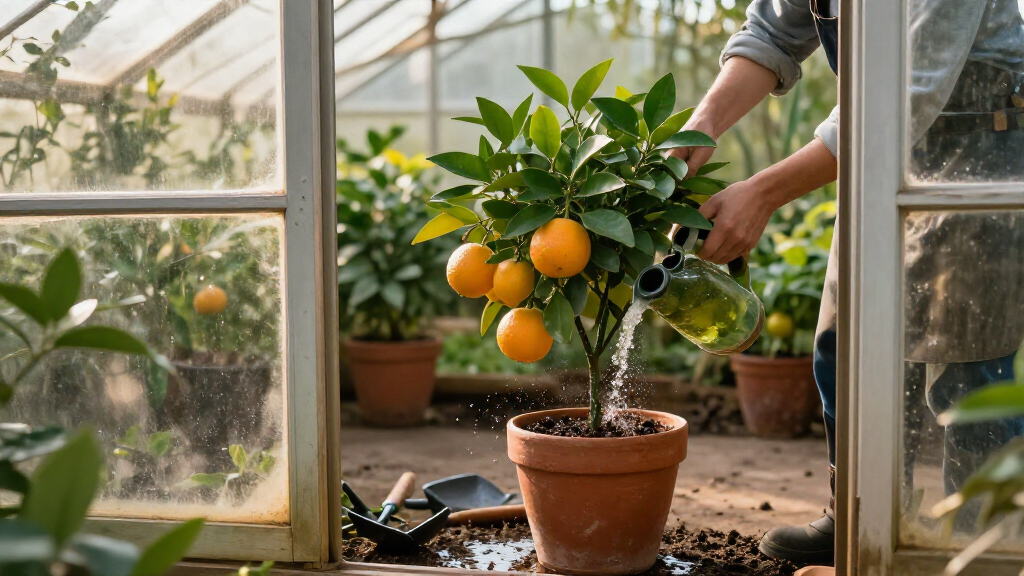
Water when the top inch or two of soil is dry, checking with a finger, and use a pot with drainage holes. Citrus trees should not be left to dry out completely or sit in soggy soil. Sheffield says a quality general-purpose potting soil is suitable; a specialty citrus mix is not required.
Citrus trees are heavy feeders, Sheffield says. The guide recommends a granular, extended-release fertilizer formulated for citrus, applied according to the product label and the tree’s size. Prune dead branches at any time; pruning to shape the tree or encourage new growth is best done in late winter to early spring. Thorny growth can also be removed at any time, according to Sheffield.
Can Citrus Thrive Beyond Christmas?
Holiday citrus trees can live year-round, but need steady attention to light, water, feeding and pests.
Set up the right care
Check conditions regularly; a fixed watering schedule may not fit changing seasons.
Find the brightest spot
Indoors, use the brightest available east-, west- or south-facing window. Add an LED grow light if natural light is not enough.
Check the soil
Water when the top inch or two is dry. Use a pot with drainage and avoid dry or soggy soil.
Feed by the label
Use extended-release citrus fertilizer according to its label and the tree’s size.
Move between seasons
Gradual changes help avoid a sudden shift in light and temperature.
Before nights fall into the 40s Fahrenheit, inspect and rinse the tree, then isolate it from other plants.
Wait until nighttime temperatures are no longer below 40°F. Start outside in shade, then increase sun exposure gradually.
Plan for fruit and pests
Fruit takes patience, and plant checks belong in the care routine.
- Many trees take several years to produce.
- Fruit may take six to nine months to ripen after flowering.
- Look for mealybugs, scale and spider mites.
- Use horticultural oil or insecticidal soap as directed on the label.
Keeping Holiday Citrus Alive
Keeping a citrus tree past the holidays is possible, but it is not a set-and-forget houseplant project. Indoor light and dry winter air can challenge a tree moved from a nursery or outdoor setting, while missed watering or poor drainage can add stress. The practical takeaway is to plan for ongoing care through every season, not just the festive period.
Fruit also takes patience. The guide says many citrus trees need several years before producing, and fruit can take six to nine months to ripen after flowering. That timeline matters for buyers expecting a quick harvest: a tree may be a long-term ornamental plant before it becomes a source of ripe fruit.
The advice can help owners decide whether a citrus tree suits their home and routine. It also flags a household safety issue: the source reports that citrus plant material can be harmful to pets if chewed or eaten. Owners with pets that persistently nibble plants may need to keep the tree inaccessible or choose a pet-friendly alternative.
Products Worth Considering

Orbit B-hyve XR 16-Zone Indoor/Outdoor Smart Sprinkler Controller

Solo Stove Pi Prime Portable Propane Pizza Oven

Husqvarna Automower 410iQ Wire-Free Robotic Lawn Mower
As an affiliate, we earn on qualifying purchases.
Seasonal Moves and Fruit Timelines
Many citrus varieties can grow outdoors in USDA hardiness zones 10 and warmer, while dwarf cultivars are often suitable for containers. Container growing allows people outside those warm zones to move a tree outdoors in suitable weather and bring it inside for winter. The source does not identify a single variety as best for every home or climate.
Sheffield advises moving an outdoor tree indoors before temperatures fall into the 40s Fahrenheit. Before bringing it inside, inspect it and spray it with a garden hose to dislodge pests, then keep it apart from other plants. A tree may drop leaves after the move because indoor light is lower, but the guide says it may recover within a few weeks.
In spring, wait until nighttime temperatures are no longer below 40 degrees Fahrenheit before moving the tree back outside. Acclimate it gradually: begin with a few hours in shade, then introduce short periods of sun and increase exposure over time. The staged move is intended to avoid an abrupt change in light conditions.
What Depends on Growing Conditions
The guide offers general care advice, but it does not specify how quickly a particular tree will adapt or fruit. Results depend on factors including the tree’s variety, age, growing conditions and light; the source gives no guaranteed timeline for an individual plant beyond noting that many take several years to produce fruit.
It also does not provide a universal watering schedule, because soil moisture and water needs change with season, indoor conditions and whether a tree is flowering or growing outdoors. Owners should check the soil rather than assume a fixed interval. The guide’s pest recommendations name horticultural oil and insecticidal soap but do not specify products or application amounts; users should follow the product label.
The source says citrus trees are toxic to pets, citing the ASPCA, and describes possible skin irritation, vomiting and diarrhea after contact with or ingestion of plant material. It does not give exposure thresholds. Anyone who suspects a pet has eaten part of a tree should contact a veterinarian, as the guide advises.
Care Through the Next Season
Owners can start by checking their tree’s light, drainage and soil moisture, then establish a routine for inspection and label-directed feeding. Before bringing it indoors for winter, check leaves and stems for mealybugs, scale and spider mites, rinse the plant, and isolate it from other houseplants. Sheffield advises acting promptly if pests appear. The guide recommends horticultural oil or insecticidal soap according to label directions, with another treatment after about 10 days and continued monitoring for new signs.
As temperatures change, follow the gradual indoor-to-outdoor moves rather than placing a tree suddenly in full sun or leaving it outside as nights cool. No specific forecast, product schedule or outcome for an individual tree is provided in the source; the next steps depend on local temperatures and the plant’s condition.
Key Questions
Can a citrus tree bought at Christmas live indoors year-round?
Yes, according to the Country Living guide, but it needs the brightest available window and may benefit from an LED grow light used 8 to 12 hours daily. Its care needs are greater than those of many common houseplants.
When should I move a potted citrus tree indoors?
Sheffield advises bringing it inside before temperatures fall into the 40s Fahrenheit. Inspect and rinse the tree first, then keep it separate from other plants while checking for pests.
How often should I water a citrus tree?
Water when the top inch or two of soil is dry, rather than following a fixed calendar. Make sure the pot drains, and do not let the tree dry out completely or remain soggy.
How long does it take for a citrus tree to produce fruit?
The guide says many citrus trees take several years to begin producing. Once flowers appear, fruit can take six to nine months to ripen.
Are citrus trees safe around pets?
The guide, citing the ASPCA, says citrus plant material can be harmful to pets and may cause skin irritation, vomiting or diarrhea. Keep the tree away from animals that chew plants, and contact a veterinarian if ingestion is suspected.
Source: countryliving.com