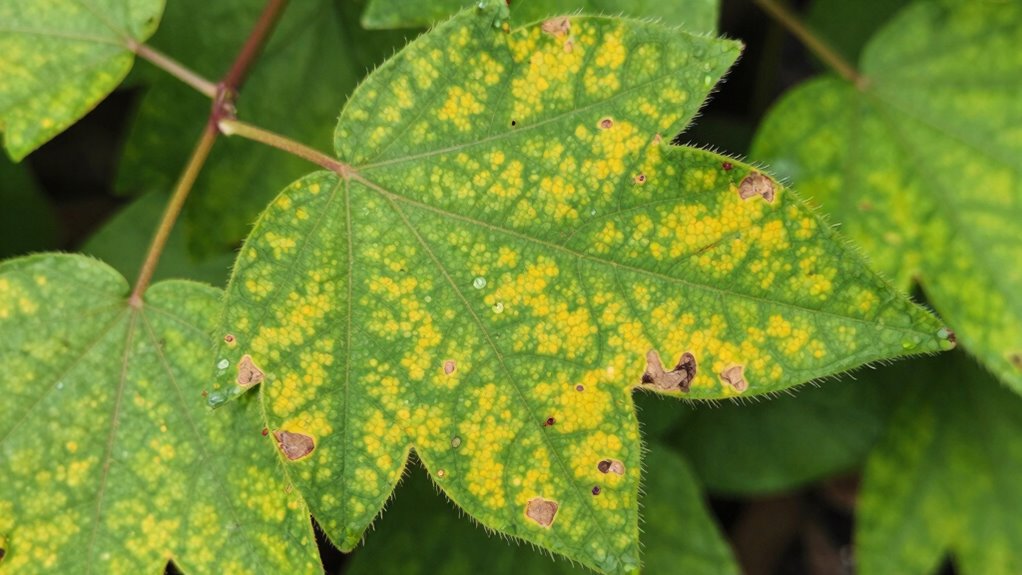

When you look at plant problems up close, you notice more details that aren’t obvious from bed level. Tiny insects, fungal spots, or subtle discolorations often hide in crevices, undersides of leaves, or stems. These issues can look minor from afar but become clearer with a close-up view. Recognizing these small signs helps you understand the real problem and choose better solutions. Stay with us to discover how close inspection can transform your plant care.

Get garden gear delivered free with Prime
- Fast, free delivery on millions of items
- Prime Video, Amazon Music and more included
- Member-only deals all year
Key Takeaways
- Close inspection reveals tiny pests, fungal spores, and subtle symptoms hidden from a distance.
- Up-close views distinguish between similar-looking issues, such as pests versus nutrient deficiencies.
- Magnification tools uncover details like webbing, lesions, or mold that are invisible from afar.
- Detailed observation prevents misdiagnosis and unnecessary chemical treatments.
- Recognizing early signs at close range allows for timely, targeted plant health interventions.
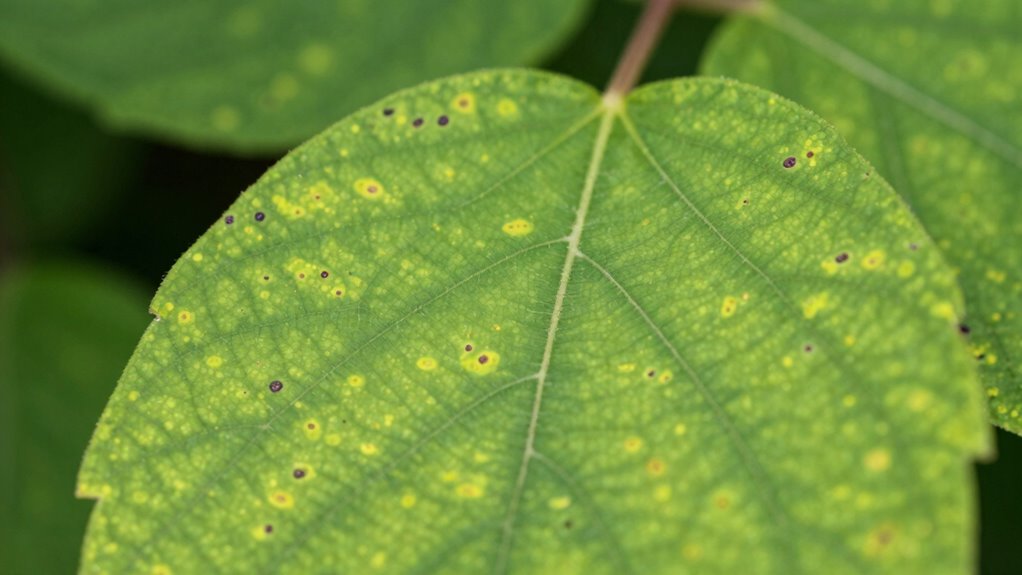
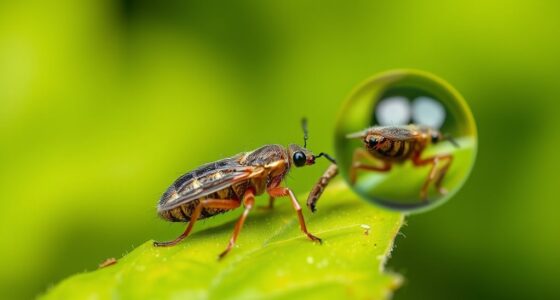
Plants can face a variety of health issues that aren’t always immediately obvious. When you’re inspecting your garden, it’s tempting to look at the overall plant or just glance at the leaves at bed level. But to truly understand what’s going on, you need to get up close and personal. Problems often appear differently when viewed at close range, revealing details that can make a big difference in how you identify and treat the issue. Pest identification becomes much clearer when you examine the undersides of leaves, stems, and even the soil surface. Tiny insects like aphids, spider mites, or whiteflies can hide in spots you might overlook from a distance. These pests often cluster in hidden crevices, making close inspection essential. You might notice tiny specks, webbing, or discolored spots, all signs that pests are present. Spotting them early at a close level can help you decide on the right treatment before an infestation spreads.
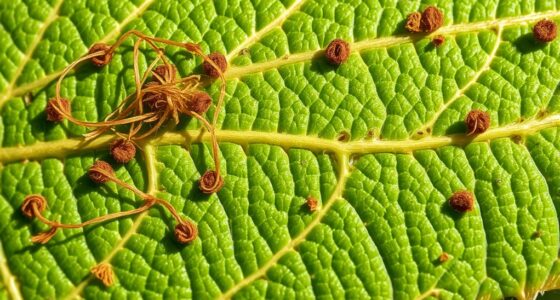
Similarly, disease diagnosis requires a detailed look. Many plant diseases cause subtle changes that are only visible upon close inspection. Fungal spots, mold growth, or unusual discoloration might appear minor from afar but become more evident when you examine individual leaves or stems. You can spot early signs of fungal infections or bacterial issues that might otherwise be mistaken for simple nutrient deficiencies. Close inspection allows you to see if the damage is caused by a disease or pests, helping you avoid unnecessary treatments. You might also notice lesions, ooze, or abnormal growths that aren’t visible from a distance, giving you clues about the underlying problem. Recognizing plant health issues early can make a significant difference in treatment success and can prevent more serious damage down the line. Using diagnostic tools such as magnifying glasses or handheld microscopes can further enhance your ability to identify these issues accurately. This detailed observation is especially important because many problems look similar from afar, but detailed analysis can reveal their true nature.
Getting close to your plants helps you see these subtle differences and avoid misdiagnosis. Many issues look similar from afar, but details up close can tell you whether you’re dealing with pests or a disease, or perhaps a combination of both. For example, a yellowing leaf might seem like a nutrient deficiency, but a closer look might reveal tiny bugs or fungal spores. Close inspection can also help identify plant stress signs, which are often overlooked without a detailed view. This detailed view guides your action plan, ensuring you use the most effective treatment. It also prevents you from applying unnecessary chemicals or making incorrect assumptions about your plant’s health. Additionally, understanding the specific symptoms can help you implement integrated pest management strategies that are environmentally friendly. Ultimately, paying attention to the small details up close helps you catch problems early and keep your plants healthier and happier.
magnifying glass for plant inspection
As an affiliate, we earn on qualifying purchases.
As an affiliate, we earn on qualifying purchases.
Frequently Asked Questions
How Do Pests Behave Differently up Close Versus at Bed Level?
Pests behave differently up close because they tend to hide in leaves or crevices, making pest hiding more evident. At bed level, you might see leaf damage or chewed edges, but up close, you notice tiny pests or eggs. This perspective reveals pest activity that’s hidden from afar. You can better identify specific pests and their behaviors, helping you target the problem more effectively and prevent further plant damage.
Can Plant Diseases Spread Undetectably From the Top to Roots?
Yes, plant diseases can spread undetectably from the top to the roots through soil interactions and microbial activity. When pathogens travel via water or soil, they often hide beneath the surface, making early detection tricky. Microbes in the soil can carry disease-causing agents, infecting roots even if symptoms aren’t visible above ground. Regular testing and observing soil health help catch these hidden issues before they cause serious damage.
What Tools Are Best for Examining Plant Issues Closely?
You should use a magnifying glass or hand lens to examine plant issues closely, especially when inspecting soil composition and moisture levels. A soil test kit can help detect imbalances affecting roots and overall health. For moisture levels, a soil moisture meter provides precise readings. These tools give you detailed insights into tiny pests, fungal infections, or nutrient deficiencies that aren’t visible from a distance, enabling targeted treatment.
Do Leaf Patterns Indicate Underlying Root Problems?
Leaf patterns, such as discoloration, curling, or spotting, often reveal underlying root problems. When you notice leaf discoloration, it’s a sign that your plant’s root health might be compromised, affecting nutrient uptake. These symptoms can signal root rot, pests, or poor soil conditions. By examining leaf patterns closely, you can diagnose root issues early, allowing you to take action before problems worsen and guarantee your plant’s overall health.
How Does Light Exposure Affect Problem Visibility up Close?
Light exposure directly influences problem visibility up close by affecting leaf discoloration and photosynthesis impact. When leaves receive insufficient or uneven light, you’ll notice discoloration, such as yellowing or browning, which highlights issues like nutrient deficiencies or disease. Bright, consistent light helps you see healthier leaves clearly, making problems more obvious. Conversely, poor or inconsistent light can mask symptoms, making it harder to identify underlying issues through leaf appearance.
handheld microscope for plant pests
As an affiliate, we earn on qualifying purchases.
As an affiliate, we earn on qualifying purchases.
Conclusion
When you get up close to your plants, you’ll notice problems that aren’t visible from bed level. This closer look helps you catch issues early and understand their true nature. Remember, appearances can be deceiving—what looks minor from afar might be serious up close. By paying attention to these details, you’re better equipped to give your plants what they need and keep them thriving. After all, knowledge is power when it comes to gardening.
As an affiliate, we earn on qualifying purchases.
As an affiliate, we earn on qualifying purchases.
Halloween Picks
halloween
As an affiliate, we earn on qualifying purchases.