The pH mistake that locks up nutrients fast is ignoring proper soil testing and letting pH fall outside the ideal range. When soil becomes too acidic or alkaline, essential nutrients like nitrogen, phosphorus, and potassium become unavailable for plants, leading to poor growth. Failing to adjust pH or waiting too long to do so can cause nutrient deficiencies despite adding fertilizers. If you keep these issues in mind, you’ll discover simple ways to prevent nutrient lock-up and boost plant health.

Get garden gear delivered free with Prime
- Fast, free delivery on millions of items
- Prime Video, Amazon Music and more included
- Member-only deals all year
Key Takeaways
- Ignoring soil pH causes nutrient lock-up, preventing plants from absorbing essential nutrients like nitrogen, phosphorus, and potassium.
- Applying fertilizers without correcting pH can lead to nutrient deficiencies despite nutrient presence in the soil.
- Over-application of amendments without testing may overshoot pH targets, worsening nutrient lock-up.
- Failing to regularly test soil pH allows imbalances that quickly hinder nutrient availability.
- Not adjusting pH based on plant needs causes rapid nutrient inaccessibility and stunted growth.
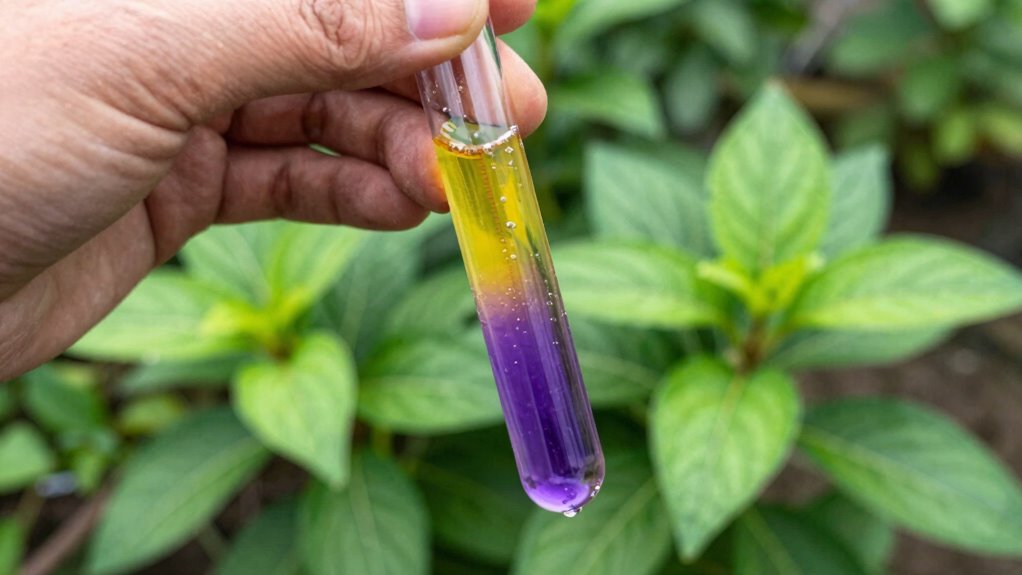
Have you ever wondered why your plants seem to struggle despite your efforts? The answer could be tied to something you might overlook: the pH level of your soil. Soil testing is the first step to understanding what’s happening beneath the surface. It’s easy to assume your soil is just fine, but without testing, you’re flying blind. When you get your soil tested, you discover its pH level—whether it’s too acidic, too alkaline, or just right. This knowledge allows you to make precise pH adjustments that can dramatically improve nutrient availability.
Many gardeners make the mistake of ignoring pH altogether, assuming that as long as they add fertilizer, their plants will thrive. But the truth is, if the soil’s pH is off, your plants can’t absorb essential nutrients like nitrogen, phosphorus, and potassium properly. Instead, these nutrients become locked up in the soil, leaving your plants starved despite your diligent efforts. This is a common mistake that stalls growth and weakens your plants’ health. To prevent this, you need to regularly test your soil and adjust its pH accordingly. Understanding soil chemistry** is crucial for maintaining optimal nutrient absorption. Additionally, neglecting to understand the soil’s natural pH can lead to unnecessary amendments** and wasted resources.
Ignoring soil pH can lock nutrients and stall plant growth—test regularly for healthier, thriving plants.
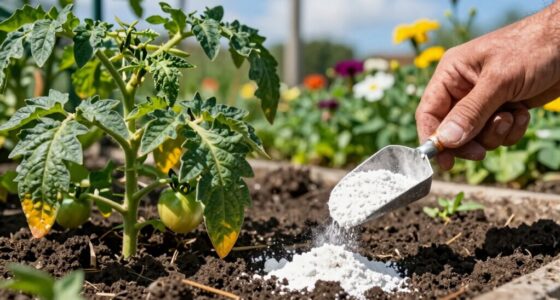
Making pH adjustments isn’t complicated, but it requires understanding how certain amendments influence soil chemistry. For example, if your soil turns out to be too acidic, you can add lime to raise the pH. Conversely, if it’s too alkaline, sulfur or peat moss can help lower it. These amendments should be applied carefully and in small amounts, then mixed thoroughly into the soil. Repeat soil testing after each adjustment to monitor progress and avoid overshooting your target pH. Consistent pH management ensures nutrients stay available, helping your plants grow stronger and healthier.
Another key point is timing. pH adjustments take some time to register in the soil, so don’t expect immediate results. Patience is essential, and ongoing soil testing keeps you informed about your progress. Remember, different plants have different pH preferences; some thrive in slightly acidic conditions, while others prefer neutral or slightly alkaline soil. Knowing your plants’ needs and maintaining the soil pH within the optimal range ensures they can access nutrients efficiently, leading to more vibrant growth and better yields.
In the end, neglecting soil testing and pH adjustment is a common mistake that can sabotage your gardening success. By taking a proactive approach—testing your soil regularly and adjusting its pH—you ensure your plants aren’t just getting nutrients, but can actually absorb and utilize them. Being aware of soil chemistry and how it influences nutrient availability is crucial for successful gardening. This small step can make a big difference, transforming your garden from struggling to thriving. So, don’t overlook the importance of soil testing and pH management if you want your plants to reach their full potential.
As an affiliate, we earn on qualifying purchases.
Frequently Asked Questions
How Does pH Affect Nutrient Availability in Different Soil Types?
You’ll find that soil pH greatly impacts nutrient availability through soil chemistry and pH regulation. In acidic soils, essential nutrients like phosphorus and potassium become less available, while in alkaline soils, trace minerals may lock up. Maintaining proper pH levels tailored to your soil type guarantees nutrients stay accessible. Regular pH adjustments help optimize plant growth by enhancing nutrient uptake and preventing deficiencies caused by improper soil chemistry.
What Are the Signs of Nutrient Lock Caused by pH Imbalance?
When pH fluctuation occurs, you might notice your plants showing signs of nutrient deficiency, like yellowing leaves, stunted growth, or poor flowering. It’s a red flag that nutrient lock is happening, preventing absorption. If your plants seem to struggle despite good soil, it’s time to check the pH. Ignoring these signs can lead to long-term health issues, so don’t let your garden go down the drain.
Can Adjusting pH Improve Nutrient Absorption Without Fertilization?
Yes, adjusting pH can improve nutrient absorption without fertilization. By pH balancing your soil or water, you optimize nutrient efficiency, making essential minerals more available to your plants. When pH levels are aligned with the plants’ needs, they absorb nutrients more effectively, reducing deficiencies. Regularly monitor and adjust pH to guarantee your plants get the maximum benefit from the nutrients present, promoting healthier growth without extra fertilization.
How Often Should I Test Soil pH for Optimal Plant Growth?
You should test your soil pH at least every 3 to 4 months to keep your plants thriving like a well-oiled machine. Regular soil testing helps you monitor pH balance and catch any shifts early, preventing nutrient lockout. If you’re growing sensitive plants or in extreme weather, test more often—about once a month. This way, you guarantee your soil stays ideal for peak plant growth.
Are There Specific Plants More Sensitive to pH-Related Nutrient Lock?
Yes, some plants are more sensitive to pH fluctuation, especially those with specific nutrient needs. For instance, blueberries prefer acidic soil, while asparagus thrives in slightly alkaline conditions. When pH shifts, nutrient antagonism occurs, making essential nutrients unavailable and causing nutrient lock. These plants are more prone to issues from pH-related problems, so monitoring and maintaining stable pH levels helps prevent nutrient lock and supports healthy growth.
As an affiliate, we earn on qualifying purchases.
Conclusion
So, next time you’re tending to your plants, remember that a tiny misstep in pH can quietly hinder their growth. It’s like leaving a door slightly ajar—opportunities slip away without you realizing. By paying close attention to pH levels, you’ll keep nutrient pathways open and thriving. A small adjustment now can prevent bigger frustrations later, helping your plants flourish in a subtle, beautiful harmony. Trust the process, and watch your garden blossom effortlessly.
As an affiliate, we earn on qualifying purchases.
As an affiliate, we earn on qualifying purchases.
Fall Picks
fall essentials
As an affiliate, we earn on qualifying purchases.