TL;DR

Get garden gear delivered free with Prime
- Fast, free delivery on millions of items
- Prime Video, Amazon Music and more included
- Member-only deals all year
Gardening experts identify four common mistakes that contribute to aphid infestations. Correcting these errors can help gardeners prevent and control pest outbreaks effectively.
Gardening experts warn that four widespread mistakes made by gardeners are significantly contributing to the rise of aphid infestations in residential gardens. These errors, if uncorrected, can allow aphids to quickly take over plants, causing damage and spreading plant diseases. Recognizing and avoiding these mistakes is crucial for gardeners aiming to maintain healthy, pest-free gardens.
According to horticultural specialists, the four most common errors include over-fertilizing with nitrogen, neglecting natural predator habitats, improper pruning techniques, and inconsistent watering practices. Each mistake creates an environment conducive to aphid proliferation, making pest control more difficult once an infestation takes hold.
Over-fertilization, especially with nitrogen-rich fertilizers, encourages rapid plant growth and tender new shoots, which are highly attractive to aphids. Experts from the University of California Extension emphasize that excessive nitrogen can lead to lush, vulnerable foliage that aphids prefer. Similarly, neglecting to preserve or introduce natural predators like ladybugs and lacewings reduces the garden’s natural pest control, allowing aphid populations to escalate unchecked.
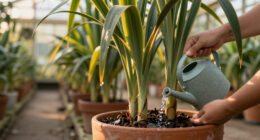
Improper pruning, such as cutting too close to the stem or pruning at the wrong time, can stress plants and produce new growth that aphids target. Additionally, inconsistent watering creates stress on plants, weakening their defenses and making them more susceptible to pests. These practices, combined, set the stage for rapid aphid population growth, often resulting in severe infestations.
Why Gardeners Need to Address These Mistakes Now
This issue matters because aphids can cause significant damage to a wide range of garden plants, including vegetables, flowers, and shrubs. Beyond direct feeding damage, aphids transmit plant viruses, which can lead to further decline and reduced yields. By understanding and correcting these common mistakes, gardeners can reduce their reliance on chemical pesticides, promoting healthier, more sustainable gardening practices.
Furthermore, preventing aphid outbreaks early helps maintain the ecological balance of the garden, supporting beneficial insects and reducing the need for costly or harmful pest control measures. As interest in organic gardening grows, awareness of these mistakes offers a practical way to protect plants naturally.
natural ladybug and lacewing insect predators for garden
As an affiliate, we earn on qualifying purchases.
As an affiliate, we earn on qualifying purchases.
Background on Aphid Management and Garden Practices
Aphids are among the most common garden pests, with populations often exploding during warm, moist conditions. Historically, gardeners relied on chemical controls, but recent trends favor integrated pest management (IPM), emphasizing prevention and natural controls. The rise in reported aphid problems has coincided with increased gardening activity during the pandemic and a surge in organic gardening practices.
While some of these mistakes are well-known among experienced gardeners, novice gardeners may inadvertently adopt practices that favor pest outbreaks. Experts note that understanding the biology of aphids and their preferred conditions is key to effective prevention.
organic fertilizer for vegetable and flower gardens
As an affiliate, we earn on qualifying purchases.
As an affiliate, we earn on qualifying purchases.
Unconfirmed Links Between Gardening Mistakes and Aphid Surges
While experts agree that these four mistakes contribute to aphid outbreaks, the exact extent of their impact and whether other factors are involved remain under investigation. Researchers are still studying environmental and plant-specific variables that may influence pest population dynamics.
Additionally, the recent spike in coverage and concern may partly reflect increased gardening activity, but definitive causal links are yet to be established through comprehensive studies.
garden pruning tools for proper plant care
As an affiliate, we earn on qualifying purchases.
As an affiliate, we earn on qualifying purchases.
Next Steps for Gardeners and Researchers
Gardeners are advised to review their practices and implement recommended strategies, such as balanced fertilization, encouraging natural predators, proper pruning, and consistent watering. Extension services and gardening organizations are expected to release updated guidelines soon.
Researchers plan to conduct further studies to quantify the impact of these mistakes and develop targeted educational materials. Monitoring pest populations and plant health will continue to inform best practices for sustainable pest management.
automatic drip irrigation system for consistent watering
As an affiliate, we earn on qualifying purchases.
As an affiliate, we earn on qualifying purchases.
Key Questions
How can I tell if my garden has an aphid problem?
Look for clusters of small, soft-bodied insects on new growth, along with curled or yellowing leaves. Sticky honeydew and sooty mold are also signs of aphid activity.
What are the most effective natural controls for aphids?
Introducing or encouraging natural predators like ladybugs, lacewings, and parasitic wasps can help reduce aphid populations. Additionally, spraying plants with a strong jet of water can dislodge aphids.
Can over-fertilizing really cause aphid infestations?
Yes, excessive nitrogen encourages tender, lush growth that aphids find attractive, making over-fertilization a common mistake linked to pest outbreaks, according to horticultural experts.
Are chemical pesticides necessary to control aphids?
Not necessarily. Many organic methods, including encouraging natural predators and proper plant care, can effectively manage aphids without chemicals. Chemical pesticides should be a last resort and used carefully to avoid harming beneficial insects.
Source: rss
Fall Picks
fall essentials
As an affiliate, we earn on qualifying purchases.