TL;DR
Aphids can multiply quickly indoors, so early inspection and repeat monitoring are key. A targeted lukewarm-water rinse, wiping or pruning affected growth, and managing ants can help control an infestation; biological predators are another option where appropriate. The source gives no date or independent verification for its treatment estimates.
A supplied gardening report describes several ways to control aphids on houseplants, from rinsing or wiping insects off leaves to pruning infested tips and managing ants that protect aphid colonies. For related signs of plant stress, see why houseplant leaves turn yellow. The guidance matters because aphids can reproduce rapidly indoors, but the report’s numerical treatment estimates are not independently verified in the supplied material.

Get garden gear delivered free with Prime
- Fast, free delivery on millions of items
- Prime Video, Amazon Music and more included
- Member-only deals all year
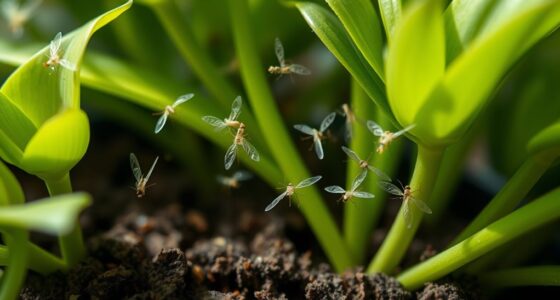
Aphids are small, soft-bodied insects that feed by drawing sap from plants, especially young shoots, buds and the undersides of leaves. The report says they can appear in several colors and may be wingless or winged. Sticky honeydew left behind can support black sooty mold, while infested plants may be weakened. The material also says aphids can spread plant viruses, though it does not identify particular viruses or document cases on houseplants.
For small or early infestations, the report recommends directing a lukewarm stream of water at affected foliage, or wiping insects away with a damp cloth. It says a shower can dislodge “up to 80%” of a colony, but provides no study, conditions or measurement method for that figure. If using a disinfecting wipe, it advises testing a hidden patch of foliage and waiting 48 hours to check for damage. That suggestion is not a substitute for following the wipe’s label, and products not intended for plants may harm them.
For a severe, localized colony, the report suggests cutting off the infested growing tip if the plant can tolerate pruning. Yellow sticky traps near foliage may catch winged aphids, but should be treated as a monitoring or interception measure rather than a solution for insects already on leaves. The source also advises inspecting vulnerable growth monthly, spacing pots so leaves do not touch, and avoiding excessive nitrogen fertilizer, which can encourage tender new growth.
Treating Houseplant Aphids A simple guide
Aphids can build up quickly indoors. Early inspection, careful removal and repeat checks help limit plant stress and spread.
Spot the signs
Check tender shoots, buds and the undersides of leaves.
Clusters on new growth
Small aphids may leave sticky honeydew and weaken infested plants.
Watch for spread
Winged aphids can move to other pots; ants may protect or move colonies.
Remove visible aphids
Choose a method the plant can tolerate.
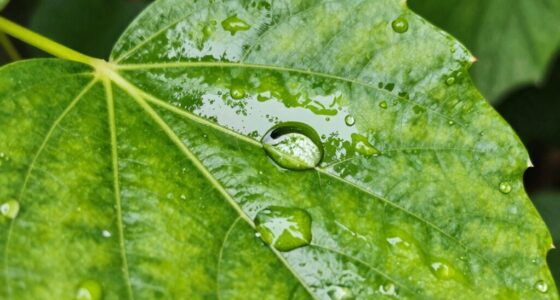
Direct a lukewarm stream at affected foliage.
Wipe insects away with a damp cloth, or prune a localized tip if the plant can tolerate it.
Inspect the plant and nearby pots again; the report gives no repeat-treatment schedule.
Reduce conditions that help colonies
Regular checks and simple plant-care adjustments can support control.
- Inspect vulnerable growth monthly.
- Space pots so leaves do not touch.
- Remove ants and block their routes.
- Avoid excessive nitrogen fertilizer.
- Use sticky traps to monitor or intercept winged aphids.
- Consider biological predators where suitable.
Use extra care with products
Plant sensitivity and product suitability vary.
- Test a wipe on a hidden patch and wait 48 hours for damage; follow the product label.
- Check species-specific advice before using predators or pest-control products.
- Follow pesticide label directions and keep people and pets away as instructed.
Why Early Aphid Control Matters
Speed is the main practical concern: the report says female aphids can produce live young without mating in warm conditions, and that the young may mature in less than a week. It gives a claimed production rate of three to 10 nymphs per female per day, but does not cite research or specify the conditions behind that range. Readers should take the general point—that populations can build quickly—without treating the exact figures as independently established here.
Finding aphids early can limit plant stress and reduce the chance that winged insects spread to nearby pots. Sticky honeydew can also make leaves and surfaces unpleasant, and may provide a place for sooty mold to grow. These concerns make regular checks of new growth and leaf undersides useful, particularly after bringing a new plant into a room or greenhouse.
Products Worth Considering

Greenworks 40V Cordless Chainsaw Kit with 12-Inch Bar, 2Ah Battery and Charger

EAGLE PEAK 12 x 8 ft Walk-In Pop-Up Greenhouse with Support Pole

Husqvarna 542i XP 16-Inch Battery-Powered Chainsaw
As an affiliate, we earn on qualifying purchases.
How Aphids Spread Indoors
The report explains that aphids feed on plant sap and excrete excess sugars and water as honeydew. When a colony becomes crowded or its host plant is depleted, some aphids develop wings and can move to other plants. That means an infestation is not always confined to the pot where it was first noticed.
Ants can complicate control. According to the source, ants collect honeydew and may protect aphids from predators or move them to fresh shoots. If ants are traveling to a plant, the report advises removing them and blocking their routes. It offers no specific ant-control product or method, so any control should follow the product label and avoid exposing children or pets to pesticides.
The source describes biological control using lacewing larvae, lady beetle larvae, parasitoid wasps and predatory midges, some of which are sold by specialist suppliers. It says ants should be dealt with first because they may interfere with predators. This is general guidance, not confirmation that each species is suitable or available for every home, plant or local environment.
“A targeted stream of lukewarm water can dislodge and drown up to 80% of the colony in just a few seconds.”
— The supplied gardening report
Limits of the Treatment Estimates
The supplied material does not provide a publication date, named author, citations for its numerical claims, or independent test results. In particular, it is unclear how the reported 80% removal estimate was measured, which plants and infestations it applies to, or how much results vary with water pressure and technique. The reproduction figures also lack a stated reference.
There is no plant-specific advice for species with delicate leaves, no guidance on how often to repeat rinsing, and no detailed instructions for releasing beneficial insects indoors. The report does not say whether the suggested sticky traps or biological controls are suitable for every household. Readers should check plant-care guidance for their species and supplier instructions before using predators or any pest-control product.
Inspect Plants and Recheck Growth
For a household dealing with aphids, the next step described in the report is to inspect new leaves, growing tips and leaf undersides, then remove visible insects with a method the plant can tolerate. Check nearby pots as well, and watch for ants and sticky residue. Recheck the plant after treatment; the supplied source does not set a repeat-treatment schedule.
If the infestation persists or the plant is sensitive to water or wiping, seek advice from a qualified horticultural source or a specialist biological-control supplier. Any pesticide use should follow the product label, including its protective-equipment instructions, and keep people and pets away as directed. The source provides no confirmed follow-up study or scheduled update on these recommendations.
Key Questions
How can I tell whether a houseplant has aphids?
Look for small insects clustered on tender shoots, buds and the undersides of leaves. Sticky honeydew, shed skins or distorted new growth may also be signs, though the supplied report does not provide a formal diagnostic test.
Can I remove aphids with water?
The report recommends a targeted lukewarm-water rinse to dislodge insects. It claims this can remove up to 80% of a colony, but provides no supporting study or conditions for that estimate. Use a flow the plant can tolerate.
Should I use a disinfecting wipe on leaves?
The source suggests wiping a localized infestation and testing a disinfecting wipe on a hidden area for 48 hours first. A wipe may damage foliage, and the source does not identify a product. Follow its label and avoid using products on plants unless they are suitable for that use.
Why are ants around my aphid-infested plant?
According to the report, ants collect aphids’ sugary honeydew and may protect or move the insects. Blocking ant routes and addressing the ants may make aphids more accessible to predators, but the source does not give a specific control protocol.
Do lady beetles or lacewings control indoor aphids?
The report lists lacewing larvae and lady beetle larvae as aphid predators, along with other biological controls used in greenhouses. Suitability and release instructions depend on the species and setting; consult a specialist supplier before buying or releasing them.
Source: laidbackgardener.blog