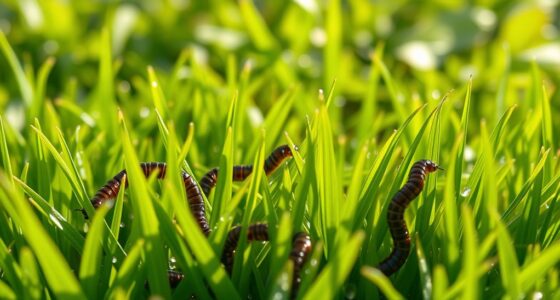

Scale insects on ornamentals appear as hard, shell-like bumps that don’t move, often mistaken for blemishes. They stick tightly to stems and leaves, producing honeydew that can cause sooty mold and harm your plants. Regular inspection is vital for early detection, especially during warm, dry seasons. Using a mix of physical removal, natural predators, and appropriate treatments can keep them in check. If you continue to explore, you’ll discover how to best protect your plants from these persistent pests.

Get garden gear delivered free with Prime
- Fast, free delivery on millions of items
- Prime Video, Amazon Music and more included
- Member-only deals all year
Key Takeaways
- Scale insects appear as hard, shell-like bumps that are immobile on plant surfaces.
- These bumps often resemble blemishes, making early detection challenging.
- Infestations produce honeydew, leading to sooty mold and plant decline.
- Regular inspection helps identify immobile scales before significant damage occurs.
- Combining physical removal, natural predators, and proper treatments effectively controls infestations.

Have you noticed sticky residue or small, armored insects on your ornamental plants? If so, you’re likely dealing with scale insects. These tiny pests latch onto plant stems and leaves, creating bumps that don’t move. They feed on plant sap, weakening your ornamentals over time, and their waxy coverings make them hard to remove with just water or simple scrubbing. Recognizing their presence early is key to preventing serious damage.
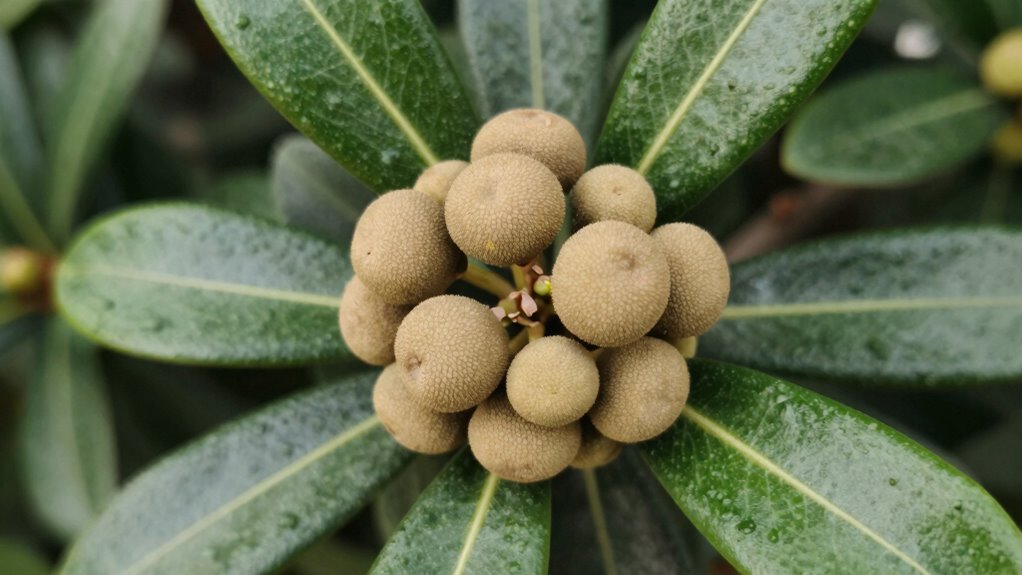
Scale insects are tricky because they mimic small bumps or blemishes on your plants. They often appear as hard, shell-like coverings that cling tightly to stems or the undersides of leaves. When you inspect closely, you might see tiny, immobile insects beneath these shells. The sticky residue they produce, called honeydew, can lead to sooty mold growth, further harming your plants and making them look unhealthy. Since these pests don’t move much once settled, it’s important to check your plants frequently, especially during warm, dry seasons when scale populations tend to explode. Regular monitoring can help you detect infestations early, before they cause extensive damage. Incorporating early detection methods into your routine can significantly improve your chances of successful intervention. Additionally, understanding the life cycle of scale insects can help you time your treatments more effectively.
Scale insects mimic bumps, produce honeydew, and rarely move once settled—inspect plants regularly, especially in warm, dry seasons.
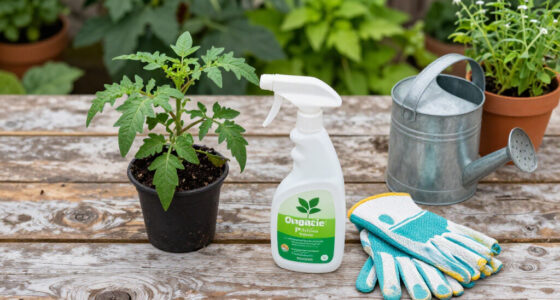
Controlling scale insects involves a mix of approaches. Chemical treatments like insecticidal oils or systemic insecticides can be effective, but they need to be applied carefully to avoid harming beneficial insects or your plant. Always follow label instructions and consider treating during the early stages of infestation for better results. However, chemical treatments aren’t your only option. Natural predators, such as lady beetles, parasitic wasps, and lacewing larvae, can help keep scale populations in check. Introducing or encouraging these beneficial insects creates a natural balance that reduces the need for chemical interventions and minimizes environmental impact. Biological control methods are especially effective in organic gardening practices.
Biological control through natural predators is a preferred method for organic gardening because it’s environmentally friendly and sustainable. You can attract these helpful insects by planting diverse, native plants that serve as habitats. Additionally, removing heavily infested plant parts, like twigs or leaves with dense scale coverage, can help reduce the pest population. Gently scraping or pruning infested areas can physically dislodge scales, especially when combined with natural predators or targeted organic sprays. Using integrated pest management strategies can further enhance your control efforts and promote healthier plants. Consistent monitoring and early intervention are crucial components of effective pest management.
scale insect control for ornamentals
As an affiliate, we earn on qualifying purchases.
As an affiliate, we earn on qualifying purchases.
Frequently Asked Questions
Are Scale Insects Harmful to Indoor Plants?
Yes, scale insects can be harmful to your indoor plants. They feed on plant sap, weakening the plant and causing yellowing or leaf drop. To control them, maintain proper indoor humidity to discourage their growth. You should also treat the soil with insecticidal soap or horticultural oil, especially around the roots, to eliminate hidden pests. Regular inspections help catch infestations early and protect your plants’ health.
Can Scale Insects Spread to Other Nearby Plants?
Yes, scale insects can spread to nearby plants if you don’t take precautions. Even if it seems unlikely, insect identification is essential to prevent an infestation from spreading further. You should implement plant quarantine measures, isolating infected plants immediately. Regular inspections help spot new infestations early. Acting swiftly guarantees you contain the problem before it affects your entire garden, keeping your ornamentals healthy and thriving.
What Natural Predators Control Scale Insect Populations?
Natural predators, like lady beetles, parasitic wasps, and lacewing larvae, effectively control scale insect populations through biological control. These beneficial insects hunt and feed on scale insects, reducing their numbers naturally. You can encourage these predators by avoiding broad-spectrum pesticides and planting diverse, native plants that attract them. By supporting their presence, you help keep scale infestations in check without relying on chemical treatments.
How Often Should I Inspect My Ornamentals for Scale?
Think of your ornamentals as silent sentinels, quietly whispering their health. You should inspect them every 7 to 10 days, turning over leaves and checking stems carefully. Regular pest monitoring is your armor against scale infestations, catching tiny bumps early before they turn into a full-blown invasion. By staying vigilant and inspecting often, you keep these stubborn pests at bay, ensuring your plants stay vibrant and healthy.
Are There Environmentally Friendly Treatments for Scale Infestations?
Yes, there are eco-friendly options for treating scale infestations. You can use biological control methods, like introducing natural predators such as ladybugs or parasitic wasps, to reduce scale populations. Organic pesticides, like neem oil or insecticidal soap, are also effective and safe for the environment. These treatments target the pests without harming beneficial insects or your plants, making them excellent choices for sustainable gardening.
insecticidal oil for scale insects
As an affiliate, we earn on qualifying purchases.
As an affiliate, we earn on qualifying purchases.
Conclusion
Understanding scale insects helps you protect your ornamentals effectively. Did you know that infestations can cause up to a 50% reduction in plant vigor if left unchecked? By spotting these tiny bumps early, you can save your plants from long-term damage. Stay vigilant, act quickly, and your ornamentals will thrive. With a little care, you’ll keep your garden healthy and beautiful for years to come.
beneficial insects for pest control
As an affiliate, we earn on qualifying purchases.
As an affiliate, we earn on qualifying purchases.
As an affiliate, we earn on qualifying purchases.
Fall yard work Picks
leaf blowers
As an affiliate, we earn on qualifying purchases.