To remove pests without over-sterilizing your garden, follow a balanced cleanup approach. Leave some plant debris and natural clutter to provide habitats for beneficial insects like ladybugs and lacewings, which naturally control pests. Avoid clearing every bit of organic matter, and instead focus on maintaining a healthy, diverse ecosystem. Proper composting and moderate garden maintenance help keep pests in check naturally. Keep going to discover simple tips for nurturing a resilient, pest-resistant garden.

Get garden gear delivered free — and shop member deals
- Fast, free delivery on millions of items
- Access to Prime Big Deal Days deals on October 6–7
- Prime Video, Amazon Music and more included
Key Takeaways
- Leave some plant debris to provide habitats for beneficial insects that naturally control pests.
- Avoid removing all garden debris to maintain a balanced ecosystem and natural pest predators.
- Practice moderate cleaning, removing only obvious pest-infested or diseased matter.
- Incorporate responsible composting, avoiding diseased plant material to prevent pest spread.
- Maintain a natural, cluttered environment to support beneficial insects and reduce pest outbreaks.
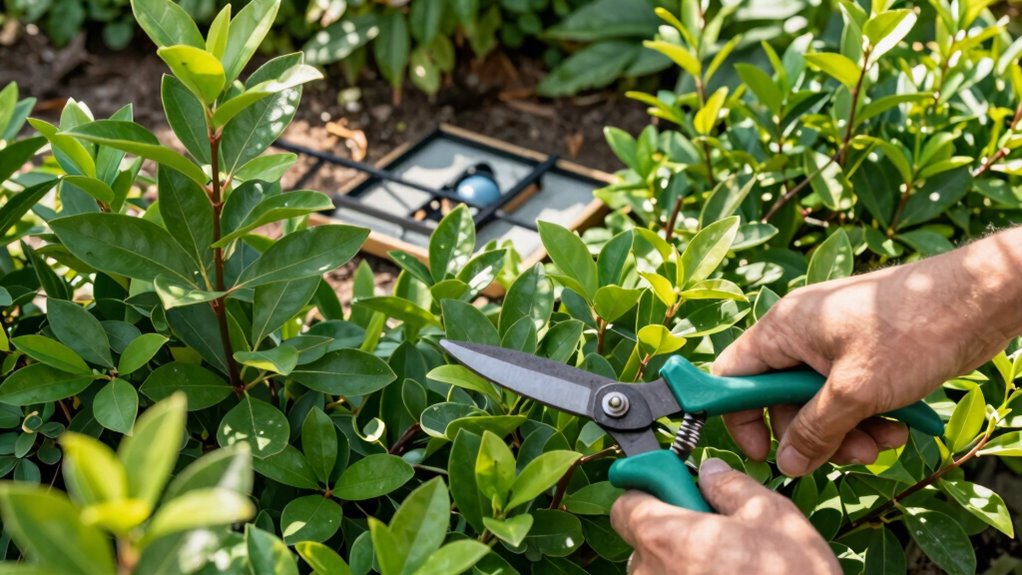
Maintaining a healthy garden requires more than just planting the right flowers and vegetables; it also involves managing pests effectively. You want to keep your garden productive and vibrant without resorting to harsh chemicals that can harm beneficial insects and soil health. One of the best ways to do this is by adopting a cleanup rule that balances pest control with preserving the natural ecosystem. Instead of over-sterilizing your garden, focus on targeted strategies that encourage natural predators and use proper composting techniques.
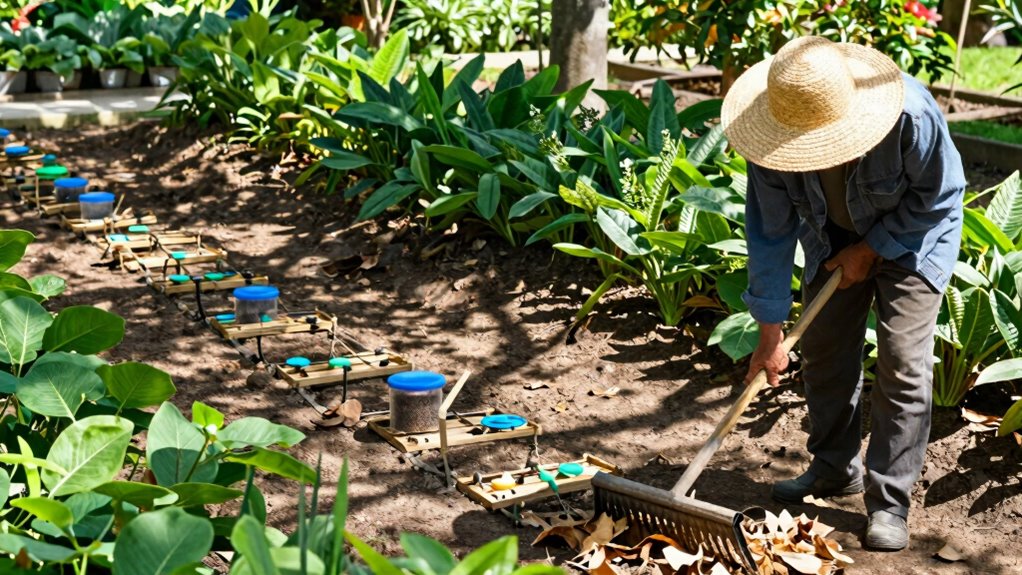
Natural predators play an essential role in keeping pest populations in check. When you leave some plant debris or decaying matter in your garden, you create habitats for beneficial insects like ladybugs, lacewings, and predatory beetles. These insects hunt and consume pests such as aphids and caterpillars, naturally reducing their numbers without chemical intervention. To support these beneficial creatures, avoid sweeping away all fallen leaves and plant waste. Instead, leave some areas undisturbed to foster a healthy ecosystem where natural predators thrive. This approach guarantees pests don’t reach outbreak levels, maintaining a balanced environment.
Leaving some plant debris supports beneficial insects that naturally control pests and keep your garden balanced.
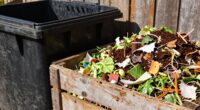
Composting techniques also profoundly contribute to pest management without over-sterilizing your garden. Proper composting recycles organic waste into nutrient-rich soil that promotes healthy plant growth, making your garden more resilient against pests. When composting, turn your compost regularly to aerate it and keep it from becoming a breeding ground for pests or diseases. Avoid adding diseased or pest-infested plant material, as this can spread problems rather than solve them. By composting responsibly, you improve soil structure and create a natural barrier that discourages pests from establishing a foothold. This process diminishes the need for chemical pest controls and helps maintain a healthy, thriving garden environment.
The key to this cleanup rule is moderation. Instead of completely sterilizing your garden by removing all debris and using heavy chemicals, focus on maintaining a balance. Keep your garden clean but not overly tidy, allow natural predators to flourish, and practice responsible composting. This way, you create an environment where pests are kept in check naturally, and beneficial insects can do their job. Over time, you’ll notice fewer pest outbreaks, healthier plants, and a more sustainable garden. Remember, a garden that mimics natural ecosystems is less dependent on chemical interventions and more resilient overall. By adopting this balanced approach, you protect your plants and support the intricate web of life that keeps your garden thriving.
beneficial insect habitat garden products
As an affiliate, we earn on qualifying purchases.
As an affiliate, we earn on qualifying purchases.
Frequently Asked Questions
Can This Cleanup Method Be Used Indoors?
Yes, you can use this cleanup method indoors for effective pest control without over-sterilizing your home environment. It’s safe and eco-friendly, making it suitable for indoor spaces where pests might hide. Just make certain you adapt the technique to your home’s specific needs, focusing on problem areas. This approach helps eliminate pests naturally while maintaining a healthy, balanced indoor environment, giving you peace of mind without harsh chemicals.
How Often Should I Apply the Cleanup Rule?
You should apply the cleanup rule weekly or as needed, especially if you notice garden debris accumulating or pest habitats forming. Regularly removing dead leaves, fallen branches, and other debris prevents pests from settling in and reduces their habitat. Keep an eye on your garden, and if pests return quickly, increase the frequency. Consistent maintenance helps keep your garden healthy without over-sterilizing it.
Will It Harm Beneficial Insects?
No, applying the cleanup rule carefully won’t harm beneficial insects. You’ll help maintain pest balance by removing debris and hiding spots for pests while leaving areas where beneficial insects thrive. Just avoid overdoing it—stripping too much can disrupt the ecosystem. By focusing on targeted cleanup, you support a healthy garden that naturally controls pests, fostering beneficial insects and keeping your garden balanced without unnecessary harm.
Is It Safe for Edible Plants?
You’ll be glad to know that this cleanup method is safe for edible plants. It promotes organic composting and enhances soil aeration, which boosts plant health naturally. Studies show healthy, aerated soil reduces pest problems and improves crop yields. By avoiding harsh chemicals, you protect your plants and maintain a safe environment for eating. Just make certain you follow the recommended practices, and your garden stays nutritious and pest-free without risking your harvest.
What Tools Are Best for This Cleanup Process?
You should use a garden fork or aerator for soil aeration, which loosens the soil and helps remove pests naturally. A compost turner is ideal for mixing compost, promoting healthy decomposition. These tools allow you to clean up your garden effectively without over-sterilizing, maintaining beneficial microbes. Regular soil aeration and compost turning create a healthier environment for your plants, encouraging natural pest control and robust growth.
garden compost bin with aeration
As an affiliate, we earn on qualifying purchases.
As an affiliate, we earn on qualifying purchases.
Conclusion
Now that you know how the cleanup rule helps remove pests without over-sterilizing your garden, you’re equipped to maintain a healthy, balanced space. By gently managing debris and avoiding harsh chemicals, you create an environment where beneficial insects thrive. Isn’t it worth preserving the natural harmony of your garden? With this simple approach, you can enjoy a pest-free yet vibrant garden that’s sustainable and thriving—without sacrificing its natural beauty.
As an affiliate, we earn on qualifying purchases.
As an affiliate, we earn on qualifying purchases.
Fall Picks
fall essentials
As an affiliate, we earn on qualifying purchases.