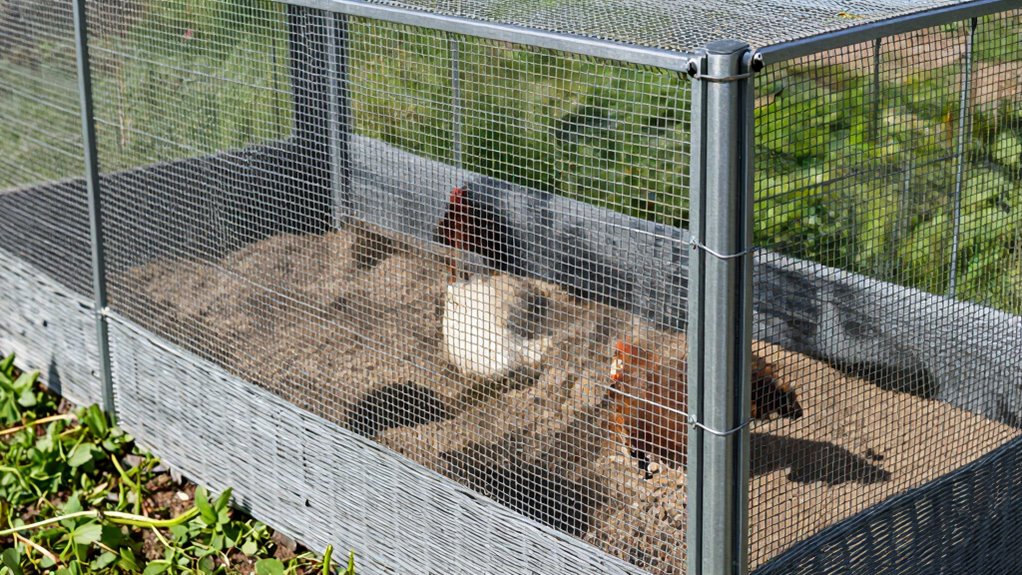

To predator-proof your chicken run effectively, use heavy-gauge wire (14 or 16 gauge) with small openings (½ inch or less) to prevent predator entry. Dig a skirt at least 12 inches deep and bend it outward around the perimeter to stop burrowing animals. Watch out for weak spots like loose wires, door gaps, or damaged mesh. If you follow these tips, you’ll create a secure environment; keep going to discover how to perfect your setup.

Get garden gear delivered free with Prime
- Fast, free delivery on millions of items
- Prime Video, Amazon Music and more included
- Member-only deals all year
Key Takeaways
- Use galvanized or stainless steel wire gauge 14 or 16 for durability and predator resistance.
- Install the skirt at least 12 inches deep into the ground and bend it outward to prevent burrowing predators.
- Ensure mesh openings are no larger than ½ inch to prevent predators from squeezing through.
- Regularly inspect and repair weak points such as tears, loose wires, or gaps around corners and doors.
- Securely fasten the wire taut to the frame and reinforce vulnerable areas to maintain predator-proof integrity.
heavy gauge galvanized steel chicken wire
As an affiliate, we earn on qualifying purchases.
As an affiliate, we earn on qualifying purchases.
Why Predator-Proofing Your Chicken Run Matters
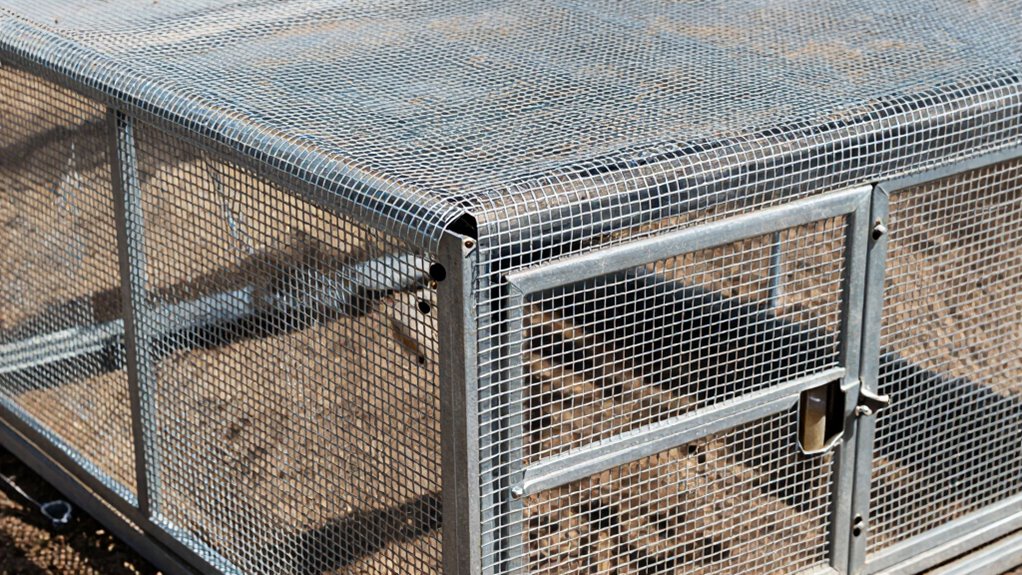
Protecting your chickens from predators is essential because many animals, like raccoons, foxes, and hawks, are quick and persistent when it comes to getting food. Understanding predator behavior helps you design a secure run; for example, raccoons are excellent climbers, so a tall fence with sufficient height deters them. Hawks rely on their sharp eyesight and swift attacks from above, making fence height critical to prevent aerial assaults. If your fence isn’t tall enough or doesn’t extend underground, predators can find ways in. Recognizing these behaviors allows you to implement effective measures, like increasing fence height and adding protective barriers. Proper predator-proofing isn’t just about keeping animals out—it’s about understanding their habits and adapting your setup accordingly. Incorporating energy-efficient materials and designs can also enhance the durability and sustainability of your predator-proofing efforts, especially when using long-lasting fencing solutions. Additionally, choosing materials with high resistance to weather can prevent deterioration over time, ensuring your setup remains secure for years to come. Considering animal behavior in your design can further reduce vulnerabilities and improve overall protection, and implementing sustainable backyard practices can contribute to the longevity of your setup.
predator-proof chicken run fencing
As an affiliate, we earn on qualifying purchases.
As an affiliate, we earn on qualifying purchases.
What Materials and Mesh Sizes Keep Predators Out?

Choosing the right materials and mesh sizes is essential for keeping predators out of your chicken run. Using bird safe mesh ensures your hens stay protected without harming other wildlife. Opt for small mesh sizes, ideally ½ inch or less, to stop predators like raccoons and weasels. Take into account eco friendly materials, such as galvanized or stainless steel, which resist rust and last longer. Additionally, selecting appropriate mesh types can significantly enhance your run’s durability and security. Here are some key points to think about:
- Use bird safe mesh with small openings (≤½ inch)
- Choose eco friendly materials like galvanized steel
- Avoid chicken wire, which predators can chew through
- Regularly inspect for tears or weak spots
- Proper mesh size is crucial for effective predator prevention. When constructing your run, consider wire gauge to ensure added strength against determined predators.
These choices create a durable, predator-proof barrier that keeps your flock safe.
As an affiliate, we earn on qualifying purchases.
How Do You Properly Install Wire and Skirts?
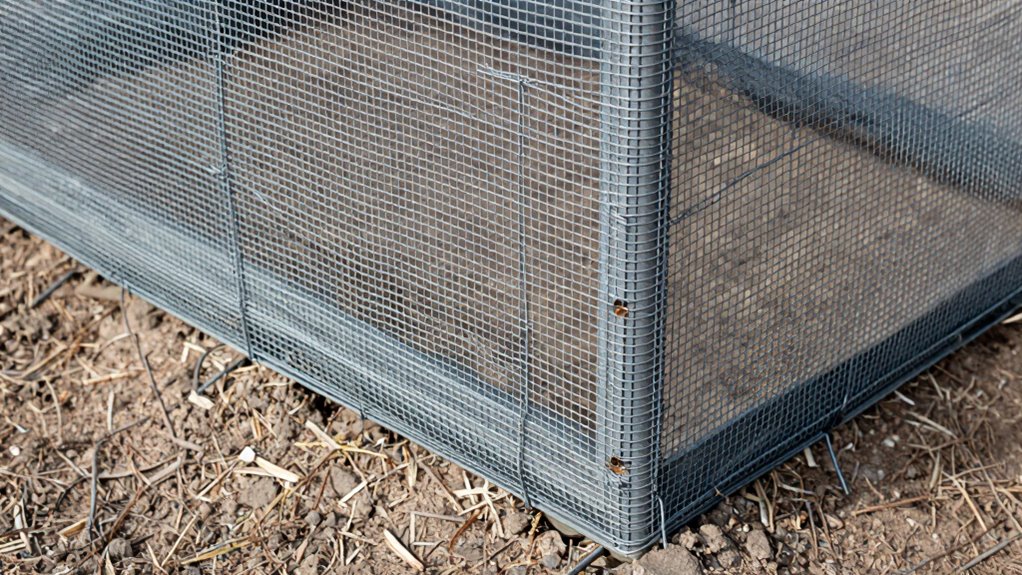
Proper installation of wire and skirts is crucial to guarantee your predator-proof chicken run is effective. Start by choosing a sturdy wire gauge—ideally 14 or 16 gauge—to prevent predators from chewing through. When installing the wire, ensure it’s taut and securely fastened to the frame, using heavy-duty staples or clips. For the skirt, dig down at least 12 inches into the ground and bend it outward around the perimeter of the run. This skirt depth helps deter digging predators like foxes and raccoons. Additionally, selecting appropriate materials can significantly enhance the durability of your barrier. Attach the skirt firmly to the wire and frame, making sure there are no gaps or loose sections. Properly installed wire and skirts create a seamless barrier that predators cannot easily breach, keeping your chickens safe and secure. Monitoring for weak points and regular inspections are essential to maintain the integrity of your predator-proof run.
chicken run skirt with 12 inch depth
As an affiliate, we earn on qualifying purchases.
As an affiliate, we earn on qualifying purchases.
Where Are the Common Weak Spots in Your Chicken Run?
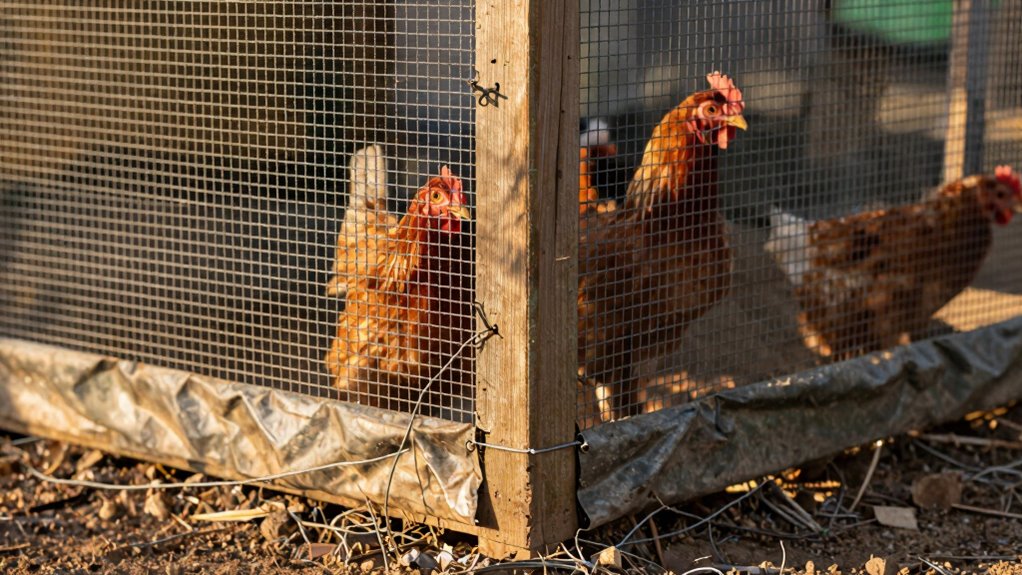
Even the best wire and skirts can’t guarantee complete security if you overlook common weak spots in your chicken run. These vulnerabilities can allow predators to break in if not addressed. Regularly inspecting and maintaining the integrity of your fencing helps prevent breaches. 1. Mesh tension issues: Loose or sagging wire creates gaps predators can exploit. Regularly tighten and inspect mesh for slack. 2. Skirt reinforcement gaps: If the skirt isn’t deeply buried or reinforced, predators may burrow underneath. Ensure the skirt extends at least 12 inches underground. 3. Corners and doorways: Weak points often occur where panels meet or at entry points. Reinforce these areas with extra mesh or framing. 4. Vegetation and debris: Overgrown plants or clutter near the run can provide cover for predators. Keep the perimeter clear and well-maintained. 5. Proper wire gauge: Using the right wire size enhances security and prevents predators from gnawing through. Ensuring the correct wire gauge is essential for predator-proofing. Proper fencing techniques also help prevent breaches. Regular maintenance, including checking for exposed or damaged wire, is crucial because predators often target weak spots. Paying attention to fence tension and ensuring all components are secure further reduces vulnerabilities. Addressing these weak spots enhances your chicken run’s predator resistance.
How Can You Detect Predator Breaches and Signs?

You can spot predator breaches by looking for signs of damage to the run or coop, like torn fencing or missing sections. Footprints or trap clues near the perimeter also indicate recent activity. Paying close attention to these details helps you catch problems early and protect your chickens. Additionally, understanding the local wildlife and their behaviors can help you better anticipate and prevent breaches. Regular inspections and keeping records of any breaches or signs can improve your troubleshooting efforts over time. Incorporating proper maintenance routines, such as checking for weak points and ensuring the wire is in good condition, further enhances your defenses against predators. Being familiar with predator behavior patterns can also help in designing more effective predator-proofing strategies. Recognizing the signs of attempted breaches can alert you to issues before predators cause significant damage.
Signs of Predator Damage
Detecting predator breaches early is crucial for keeping your chickens safe. Look for clear signs that predators have attacked or tried to breach your run. First, check for torn or bent fencing materials, especially around vulnerable spots. Second, look for scratch marks, bites, or evidence of pecking from avian predators. Third, inspect the ground near the run for disturbed soil, feathers, or droppings indicating a predator’s presence. Fourth, watch for missing or injured chickens, which can be a sign of an attempted breach. Regularly examining these signs helps you identify weak points in your fencing and reinforces areas that predators, especially avian ones, might target. Staying vigilant ensures your chickens stay protected from predators and breaches. Additionally, understanding fencing materials and their durability can help you select stronger options to prevent breaches. Considering the weight of wind turbine blades and how it affects transportation can inform your choice of fencing materials, especially if you need to reinforce or replace sections due to heavy equipment nearby.
Trap and Footprint Clues
Tracking footprints and setting traps can reveal much about predator activity around your chicken run. Look for trap clues like disturbed soil, broken foliage, or scat near your enclosure. Footprint signs, such as paw prints or claw marks, can help identify which predator is lurking nearby. Pay attention to the size and pattern of footprints—large, deep impressions might indicate a fox or raccoon, while smaller tracks could point to a mink or weasel. Setting snap traps or camera traps can also provide concrete evidence of breaches. Regularly inspecting the perimeter for fresh footprints after dawn or dusk helps you catch early signs of intrusion. Combining footprint signs with trap clues gives you a clearer picture of predator presence, allowing you to reinforce weak points before a breach occurs. **Monitoring predator activity regularly is essential for timely detection and effective prevention.** Incorporating technology such as trail cameras can greatly enhance your ability to monitor and respond to threats promptly.
What Extra Tips Help Keep Predators Away?
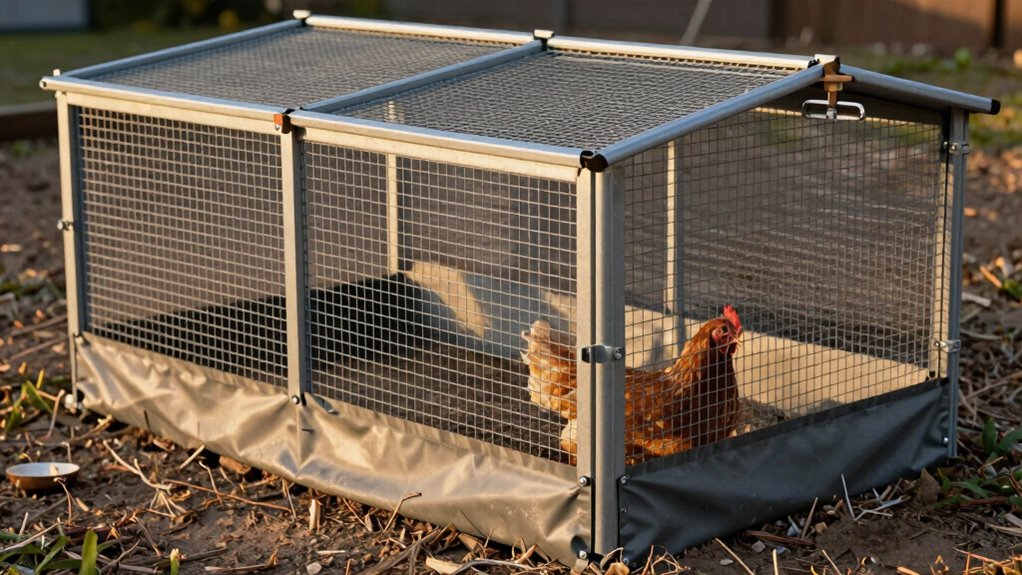
Implementing a few extra precautions can substantially enhance your chicken run’s defenses against predators. Understanding predator behavior and using natural deterrents can make a big difference. Here are some tips:
Enhance your chicken run’s security with simple predator deterrents and secure entry points.
- Use natural deterrents like predator urine or predator decoys to scare off animals unfamiliar with your chickens.
- Secure all entry points with hardware cloth and reinforce weak spots to prevent predators from exploiting gaps.
- Remove hiding spots and brush piles around the run that predators might use for cover.
- Install motion-activated lights or alarms to startle predators and deter them from approaching.
- Regularly inspecting your fencing materials and addressing any signs of wear or damage can help prevent predators from finding weak points.
How Much Does Predator-Proof Fencing Cost?
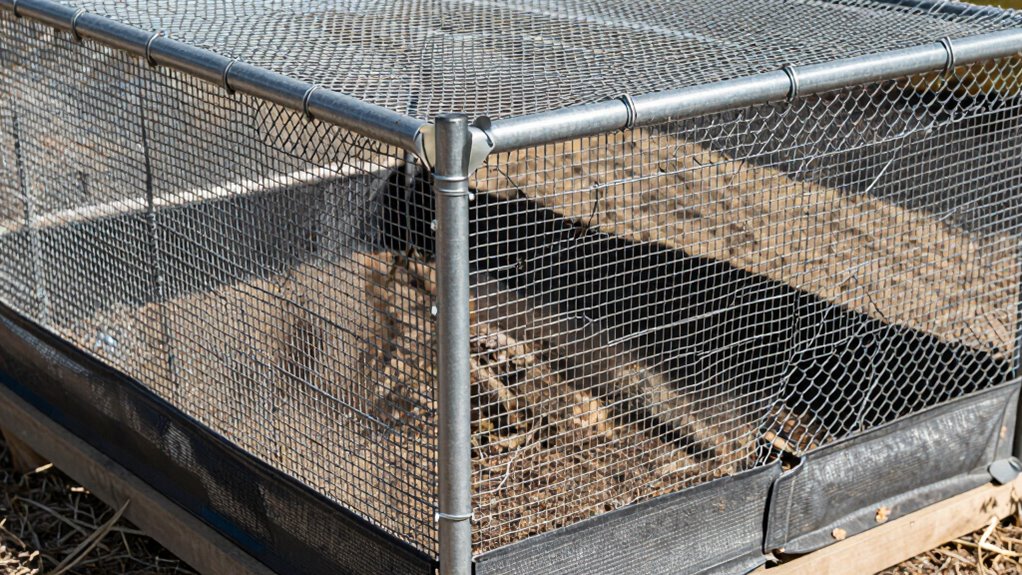
When considering predator-proof fencing, you’ll want to compare material options and their costs to find the best fit for your budget. Installation expenses can vary depending on the fencing type and your property size, so understanding these costs is essential. Don’t forget to factor in long-term maintenance fees, which can impact the overall affordability of your predator-proof chicken run.
Material Options and Costs
Choosing the right materials for predator-proof chicken fencing can considerably impact your overall costs. The wire gauge and mesh material you select determine durability and price. Thicker wire gauge (like 14 or 16) offers stronger protection but costs more. Mesh material options include galvanized steel, welded wire, or hardware cloth, each with varying prices and strength levels. To help you budget, consider these factors:
- Thicker wire gauge increases durability but raises costs
- Galvanized steel mesh resists rust and lasts longer
- Hardware cloth provides small openings for maximum predator protection
- Premium mesh options come with higher price tags but better longevity
Balancing your budget with these material choices ensures you get effective predator-proof fencing without overspending.
Installation Expenses Breakdown
Installing predator-proof fencing involves various costs that can substantially affect your overall budget. To determine how much you’ll spend, start with a detailed cost analysis of materials and labor. Material comparison is essential, as high-quality wire, sturdy posts, and secure skirts often cost more upfront but provide better protection. Expect expenses to include wire (galvanized or welded), posts, gates, and installation tools. Labor costs vary depending on the fence size and complexity, with professional installation typically increasing the initial investment. While DIY can reduce expenses, it may require more time and effort. Overall, budget for a range of $1,000 to $3,000, depending on your fence’s size, materials chosen, and installation method. Planning carefully helps guarantee your chicken run stays predator-proof without overspending.
Long-term Maintenance Fees
Long-term maintenance costs for predator-proof fencing are relatively low but essential to keep your chicken run secure over time. Keeping your predator proofing budget in check requires regular upkeep. Here are four key costs to take into account:
- Routine inspections to identify wear or damage early.
- Minor repairs like fixing loose wire or replacing small sections.
- Cleaning and pest control to prevent buildup that could weaken fencing.
- Seasonal adjustments to address weather-related impacts or shifting terrain.
Most of these expenses are minimal, but neglecting maintenance can lead to costly repairs or fence failure. Allocating a small portion of your long term maintenance fees annually helps ensure your predator-proof fencing remains effective. Staying proactive preserves your investment and keeps your chickens safe.
How Do You Maintain and Inspect Your Run?

Regularly maintaining and inspecting your chicken run is essential to guarantee it remains predator-proof and safe for your flock. Check the wire mesh for any signs of damage, rust, or gaps that predators could exploit. Look for fresh predator tracks or droppings around the perimeter, which indicate potential threats nearby. Use bird deterrents like reflective objects or noise-makers to discourage aerial predators. Ensure the skirt depth remains secure and undisturbed, preventing burrowing animals from digging underneath. Trim overgrown vegetation that could provide cover for predators or hide entry points. Regular inspections help you identify weak spots early, so you can reinforce fencing, replace damaged wire, or adjust deterrents before an attack occurs. Consistent upkeep keeps your run secure and your chickens safe.
What Are Some Quick Fixes for Breach Points?

When you discover a breach in your chicken run, acting quickly can prevent predators from slipping in and causing harm. To patch it fast, focus on quick, effective fixes. First, cover the breach with hardware cloth or wire mesh, ensuring it’s secure and predator-proof. Second, check your chicken coop ventilation to make sure airflow isn’t compromised while sealing gaps. Third, consider applying predator scent masking products around the perimeter to reduce predator interest. Finally, reinforce weak points with zip ties or staples for an extra layer of security. These quick fixes help contain your flock, but remember to regularly inspect your run for new breaches and improve long-term protections to keep predators out permanently.
Frequently Asked Questions
Can Predators Dig Underneath the Chicken Run?
Yes, burrowing predators can dig underneath your chicken run if you’re not careful. To prevent this, you need to reinforce fencing vulnerabilities by burying a sturdy skirt of wire at least 12 inches deep and extending it outward. Regularly inspect for signs of digging or gaps, and upgrade weak points immediately. Properly secured fencing will help keep burrowing predators from gaining access and protect your chickens effectively.
How Long Does Predator-Proof Fencing Typically Last?
Your predator-proof fencing typically lasts 10-15 years with proper fence maintenance. Did you know that most predator breaches happen within the first few years? Regularly inspecting your fence helps catch weak points early, and tracking predator activity can indicate potential vulnerabilities. By maintaining your fencing and staying vigilant, you substantially improve its longevity, ensuring your chickens stay safe from predators for years to come.
Are There Specific Predators More Likely to Breach Certain Mesh Sizes?
Yes, certain predator types tend to breach specific mesh sizes. For example, raccoons easily tear through smaller mesh sizes like 1/2 inch, while larger mesh, like 2 inches, can keep out foxes and coyotes. You should choose your mesh size based on the predator types in your area. Keep in mind, even small mesh won’t stop determined animals, so consider additional barriers or reinforcement for maximum protection.
What Are the Best Materials for Reinforcement Against Large Predators?
Your chicken run needs fortress-level protection! Use heavy-duty galvanized steel wire reinforcement to withstand the strongest predators, like foxes and raccoons. Opt for mesh with high durability to prevent easy bites and tears. Reinforcing weak points with additional hardware cloth and burying the mesh deep into the ground creates a nearly impenetrable barrier. This combination guarantees your chickens stay safe from even the most relentless predators.
How Often Should You Replace or Upgrade Your Predator-Proof Fencing?
You should replace or upgrade your predator-proof fencing every 3-5 years, depending on fence maintenance and predator monitoring. Regularly inspect your fence for signs of damage, rust, or weak points, and address issues promptly. As predators adapt and environmental conditions change, staying vigilant guarantees your chickens stay safe. Upgrading wire, reinforcing weak spots, and maintaining the skirt depth help keep your run secure, minimizing risks over time.
Conclusion
By paying close attention to wire size, skirt depth, and potential weak spots, you create a welcoming space your chickens can safely enjoy. Regular inspections and some quick fixes keep your setup in tip-top shape, ensuring unwanted visitors stay at bay. With a little effort and vigilance, you’ll transform your run into a cozy haven where your flock can peck and scratch peacefully—peace of mind that’s worth every bit of your care.
Halloween Picks
halloween
As an affiliate, we earn on qualifying purchases.