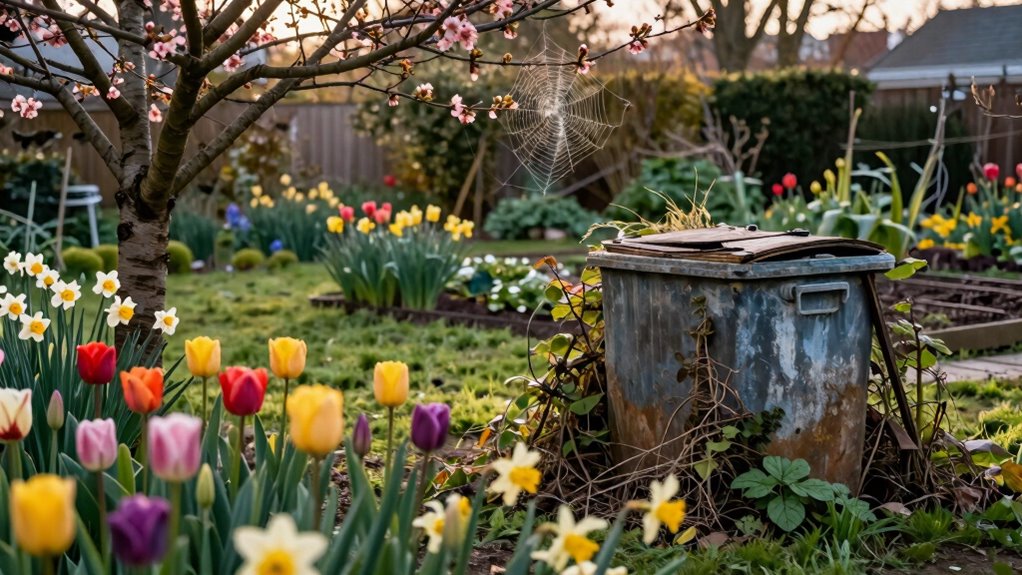
Many home gardeners overlook key monthly steps, like adjusting planting times, monitoring soil temperatures, or scouting for pests during seasonal shifts. Rushing or delaying tasks often results in poor plant growth or pest problems. Staying aware of subtle changes in frost dates, daylight, and weather patterns helps you optimize your garden’s health. By paying attention to these missed signals, you can improve your success each season — keep going to uncover even more tips.
Key Takeaways
- Gardeners often overlook early signs of seasonal transitions, delaying necessary adjustments in planting or pest control.
- Ignoring local frost dates can lead to planting at inappropriate times, risking crop damage.
- Failing to monitor soil temperatures may cause premature or late planting, affecting growth.
- Neglecting pest patterns during seasonal changes increases infestation risks.
- Small, proactive actions aligned with seasonal cues prevent problems and boost garden productivity.
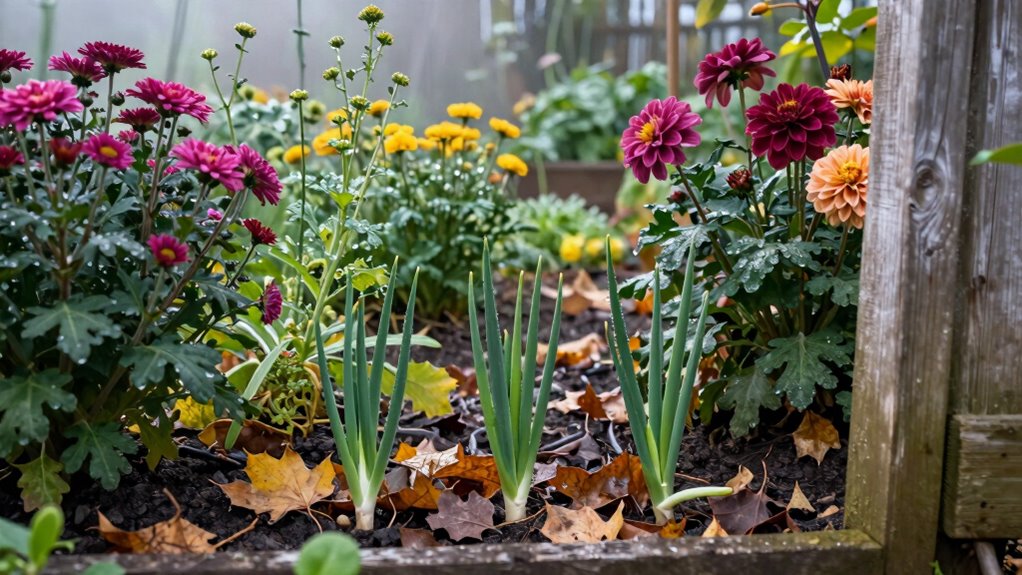
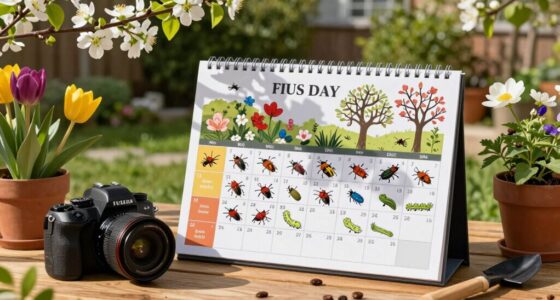
As the seasons change, it’s easy to overlook the subtle shifts that can impact your daily routines and surroundings. One common mistake many home gardeners make is neglecting to adjust their planting schedules and pest prevention strategies with each new season. You might be so focused on the current plants or flowers that you forget to prepare for what’s coming next. Yet, paying attention to these small details can make a big difference in your garden’s health and productivity.
Seasonal changes require gardeners to adapt planting and pest prevention strategies for a healthier, more productive garden.
When it comes to planting schedules, timing is everything. Many gardeners tend to stick with the same routines year-round or follow last year’s calendar without considering seasonal variations. But each season offers unique opportunities and challenges. For example, planting cool-season vegetables too late in the year can leave them vulnerable to early frosts, while rushing into warm-season crops prematurely can lead to stunted growth. Your goal should be to understand the ideal planting windows for each crop, adjusting your schedule accordingly. This means checking local frost dates, soil temperatures, and daylight hours, which all influence when you should start seeds indoors or direct sow outside. By fine-tuning your planting schedules, you give your plants a better chance to thrive, and you can extend your harvest window. Being aware of seasonal variations can help you plan more effectively and prevent common gardening pitfalls.
Pest prevention is another area where many gardeners drop the ball, especially during transitional seasons. As the weather shifts, pests follow suit, emerging earlier or lingering later than you might expect. Ignoring these seasonal changes leaves your garden vulnerable to infestations that could have been minimized with proactive measures. To prevent this, you should scout regularly, especially during the early days of each season, and implement integrated pest management techniques. This includes removing debris, encouraging beneficial insects, and applying organic barriers or repellents before pests become a problem. Overlooking pest prevention during these critical moments can lead to severe infestations that weaken your plants and reduce yields.
While it’s easy to focus solely on planting and watering routines, paying attention to these seasonal blind spots — adjusting your planting schedules and staying vigilant with pest prevention — can significantly improve your garden’s success. You don’t need to overhaul your entire approach, but small, intentional actions at the right times will help you avoid problems before they start. As you become more aware of how seasons influence your garden, you’ll find it easier to plan ahead, protect your plants, and enjoy a healthier, more bountiful outdoor space throughout the year.

Urban Worm Soil Thermometer – 5-in Stainless Steel Stem – Perfect for Gardening & Worm Bin
Easy-to-read green, yellow, and red tick marks for easy monitoring
As an affiliate, we earn on qualifying purchases.
As an affiliate, we earn on qualifying purchases.
Frequently Asked Questions
How Do I Prepare My Garden for Unexpected Seasonal Changes?
To prepare for unexpected seasonal changes, you should focus on crop rotation and soil enrichment. Rotate your crops to prevent soil depletion and reduce pests, which helps your garden adapt to changing weather. Add organic matter like compost to enrich your soil, keeping it healthy and resilient. Stay flexible with your planting schedule, and keep an eye on weather forecasts, so you can adjust your garden care as needed.
What Tools Are Essential for Year-Round Gardening?
You need essential tools like pruning shears, trowels, and a watering can for year-round gardening. Keep your tools in top shape through regular garden tool maintenance, ensuring they stay sharp and rust-free. Use soil amendment techniques such as composting and adding organic matter to improve soil health across seasons. These practices help you maintain a productive garden year-round, regardless of seasonal changes, making your gardening efforts more successful and sustainable.
How Can I Extend My Growing Season Effectively?
You can extend your growing season effectively by implementing frost protection techniques like row covers or cold frames, which shield plants from early or late frosts. Additionally, practicing seasonal crop rotation helps maintain soil health and plant vigor, allowing you to start earlier in spring and continue later into fall. These methods are proven to give you a longer, more productive gardening season, maximizing your harvest potential.
Which Plants Thrive in Less Common Planting Seasons?
You can grow plants like kale, spinach, and carrots in less common seasons by practicing companion planting, which boosts growth and pest resistance. Use soil amendments such as compost or organic matter to improve soil fertility and drainage. These strategies help your plants thrive despite cooler or unpredictable weather. Planning ahead and selecting hardy varieties will extend your growing season and maximize your garden’s productivity during overlooked months.
How Do I Manage Pests During Off-Peak Gardening Times?
During off-peak gardening times, you should focus on pest-resistant strategies like selecting pest-resistant plant varieties and encouraging beneficial insects. Use organic pest control methods such as neem oil, insecticidal soaps, or diatomaceous earth to minimize chemical use. Keep your garden clean, remove debris, and monitor plants regularly for early pest detection. These proactive steps help manage pests effectively during seasons when pests might otherwise go unnoticed or unchecked.

Gardening Moon Calendar, Perpetual Lunar Cycle Calendar for Gardeners, Farmers Almanac, Determine Optimal Times for Gardening Activities. Biodynamic Calendar, Companion Planting Chart, Garden Planner
🌿PERPETUAL CALENDAR – This Moon Calendar can be used indefinitely which makes it a great investment to improve…
As an affiliate, we earn on qualifying purchases.
As an affiliate, we earn on qualifying purchases.
Conclusion
Don’t let your garden become a neglected chapter in a story you’re eager to write. By paying attention to those seasonal blind spots, you’re opening the door to a vibrant, flourishing landscape that blooms in every chapter of the year. Think of your garden as a symphony—every note, every season, plays an essential part. When you nurture those overlooked moments, your garden will sing a melody of beauty that lasts all year round.

Garlic Block Insect Repellent – Ready to Spray Concentrate: No Mixing or Measuring – OMRI Listed for Organic Gardening – Creates a Garlic Barrier to Protect Vegetables, Fruits & Flowers: 32oz Hose-end
NATURAL INSECT CONTROL – Garlic Block is a powerful insect repellent that is OMRI listed for Organic Gardening….
As an affiliate, we earn on qualifying purchases.
As an affiliate, we earn on qualifying purchases.

XLUX Soil Moisture Meter (Since 2015) – Durable 304 Stainless Steel Probe & Virgin ABS – Instant Read Plant Hygrometer with Anti-Abrasion Protective Pouch (Upgraded Design)
Trusted Since 2015: Become one of the many plant lovers who rely on the proven accuracy of XLUX….
As an affiliate, we earn on qualifying purchases.
As an affiliate, we earn on qualifying purchases.