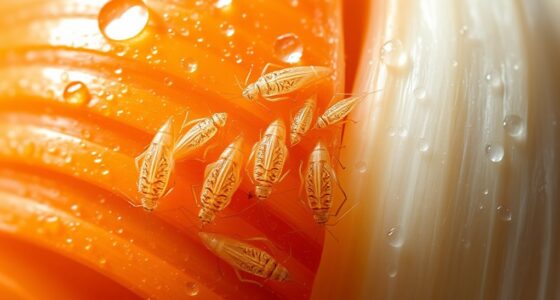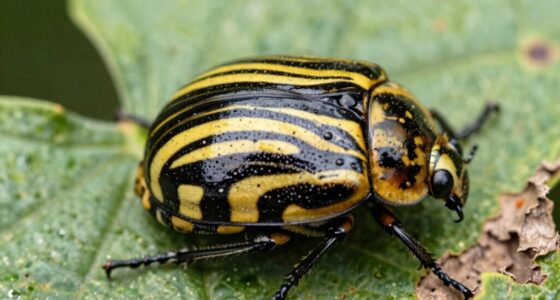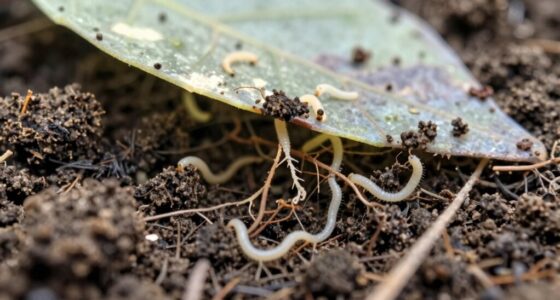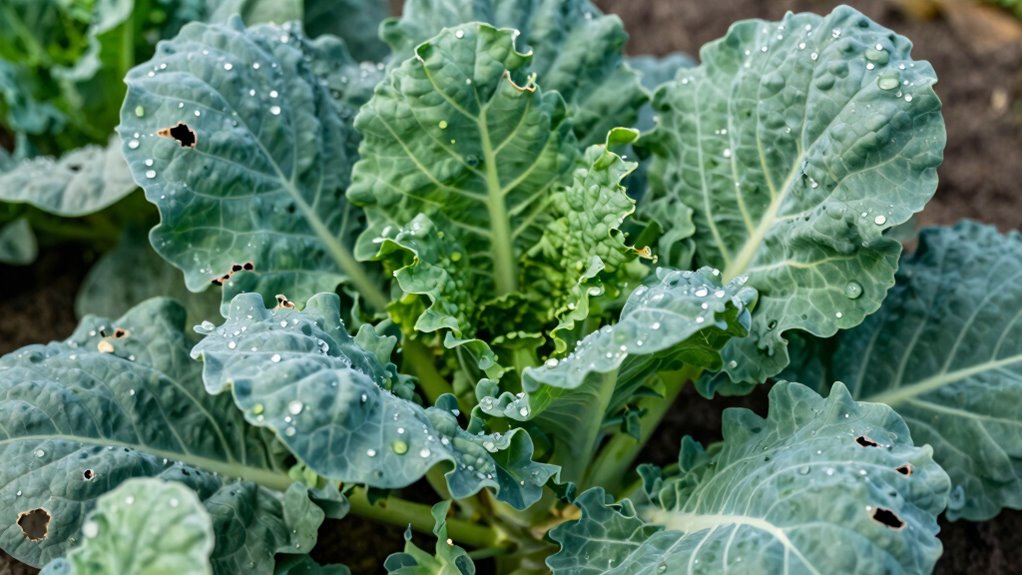
Your brassica beds often get hammered first because pests are attracted to lush, tender leaves and strong aromas, especially if you plant during peak pest seasons. Poor soil health, lack of crop rotation, and soil disturbance from tilling can also create ideal conditions for pests to settle and multiply. Stressed plants emit signals that draw pests further. Keep these factors in mind — learn how to turn things around for healthier, pest-resistant brassicas.
Key Takeaways
- Continuous planting without crop rotation allows pest populations to build up in the soil.
- Soil disturbance from tillage can activate dormant pests and disrupt natural pest predators.
- Beds with lush, tender leaves or strong aromas attract more pests like aphids and cabbage worms.
- Poor soil health and nutrient deficiencies weaken plants, making them more vulnerable to pest attacks.
- Planting during peak pest seasons or at improper times increases the risk of early infestations.
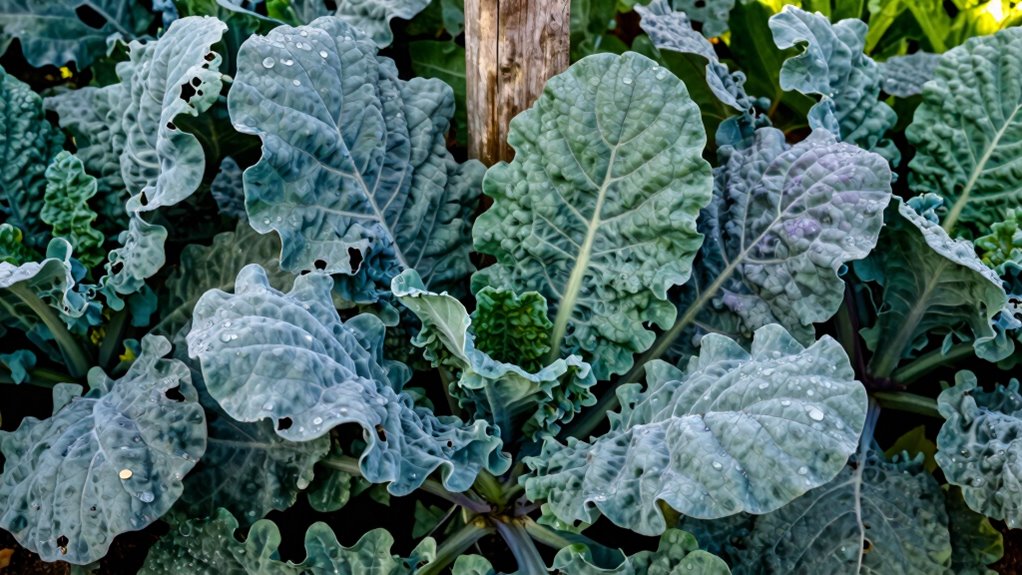
If some of your brassica beds are consistently hit harder by pests and diseases, there’s usually a reason behind it. One of the main factors is pest attraction. Certain pests, like aphids, cabbage worms, and flea beetles, are naturally drawn to brassicas because of their scent, color, or chemical signals. If your bed has a strong aroma or lush, tender leaves, it can act like a magnet, bringing in pests in droves. Additionally, if you’ve planted brassicas in the same spot year after year without rotation, pests that overwinter or persist in the soil become more likely to target those plants. The more a pest population is allowed to build up, the easier it becomes for infestations to take hold and spread rapidly.
Another vital contributor is soil disturbance. When you till or dig in a bed, you unintentionally invite pests and diseases to thrive. Soil disturbance exposes dormant pests or their eggs, which might have been resting beneath the surface, to the surface where they can hatch or become active. It can also disturb beneficial soil organisms that naturally help keep pest populations in check. For example, soil bugs or predatory nematodes that prey on pest larvae can be disrupted or killed off during excessive tillage. This disturbance creates a more welcoming environment for pests to settle and multiply, rather than a balanced ecosystem that controls pest populations naturally. Maintaining soil health through minimal disturbance and organic practices can help reduce pest problems over time. Healthy soil supports beneficial organisms that naturally suppress pest populations and prevent outbreaks, creating a more resilient environment for your brassicas.
The timing and method of planting also influence pest attraction. Planting brassicas during peak pest seasons, or when conditions favor pest activity, makes your bed an easier target. If you don’t prepare your soil properly beforehand, the plants may grow weak or stressed, which further attracts pests. Weak or stressed plants emit different chemical signals that pests find more appealing, making your brassicas an irresistible buffet. Similarly, if your soil lacks organic matter or nutrients, plants may struggle, weakening their defenses against pests and diseases. Proper soil preparation and planting at optimal times can greatly reduce pest pressure and improve plant resilience. Ensuring your plants are healthy from the start reduces their attractiveness to pests and helps them resist attacks better.
Furthermore, poor crop rotation or neglecting soil health can create a cycle that favors pest buildup. Without rotating crops, pests that target brassicas stay in the soil, ready to attack again. Without replenishing soil nutrients or adding organic amendments, plants become more vulnerable, and pest attraction increases. Over time, these practices turn your brassica beds into hotspots for pest activity, ensuring they’re the first to suffer whenever pests and diseases emerge. Proper crop rotation and soil management are key to breaking this cycle and reducing pest pressure. Adopting integrated pest management strategies can help break this cycle and maintain healthy, pest-resistant brassica beds.

Earth's Ally 3-in-1 Plant Spray – Insect Repellent & Pest Control for Indoor Outdoor Organic Gardening – 32 Oz Ready-to-Use
3-IN-1 GARDEN CARE SPRAY – Earth’s Ally 3-in-1 Plant Spray is a ready-to-use botanical oil spray designed for…
As an affiliate, we earn on qualifying purchases.
As an affiliate, we earn on qualifying purchases.
Frequently Asked Questions
How Do Soil Conditions Affect Brassica Bed Vulnerability?
Soil conditions greatly influence your brassica bed’s vulnerability. If the soil pH is too low or high, it stresses plants, making them more susceptible to pests and diseases. An imbalance in nutrients, like insufficient nitrogen or excess potassium, weakens plant defenses. Healthy soil with balanced nutrients and suitable pH helps brassicas grow strong, resist pests, and thrive, reducing the chances of them getting hammered first.
What Role Do Neighboring Plants Play in Pest Attraction?
Did you know that pests are 50% more attracted to brassicas planted near certain neighbors? Your companion planting choices can markedly influence pest attraction. Some plants act as natural pest barriers, repelling harmful insects, while others invite pests by emitting attractive scents. By strategically selecting neighboring plants, you can reduce pest issues and protect your brassicas more effectively, fostering a healthier, more resilient garden ecosystem.
Are There Specific Brassica Varieties More Resistant to Pests?
Yes, certain brassica varieties are more resistant to pests thanks to genetic resistance. Pest-resistant varieties have been bred to naturally deter common pests like aphids and cabbage worms, reducing damage. When you choose these varieties, you give your garden a better chance of staying healthy without relying heavily on pesticides. Look for labels indicating pest resistance or consult local seed catalogs that specify which brassicas are naturally more resilient.
How Does Crop Rotation Influence Pest Pressure on Brassicas?
Crop rotation reduces pest pressure on brassicas by disrupting pest life cycles and preventing buildup. You can enhance this effect through companion planting, which attracts beneficial insects and acts as pest deterrents. By rotating your brassica beds and combining it with strategic companion planting, you create a less inviting environment for pests, helping to protect your plants naturally and reduce the need for chemical interventions.
Can Early Planting Reduce Pest Damage in Brassica Beds?
Yes, early planting can reduce pest damage in brassica beds by giving your crops a head start before pests become active. Combine this with companion planting to deter pests naturally and pest monitoring to catch infestations early. These strategies help create a less inviting environment for pests, allowing your brassicas to grow healthier and stronger, ultimately lowering damage and boosting your harvest.

Superworm CO – 500ct Live Superworms – Large 1.75"-2"+ – Live Arrival Guaranteed (500)
Guaranteed fresh – Our Superworms are shipped straight to your door, ensuring optimal health and freshness.
As an affiliate, we earn on qualifying purchases.
As an affiliate, we earn on qualifying purchases.
Conclusion
Remember, “an ounce of prevention is worth a pound of cure.” By staying vigilant and inspecting your brassica beds regularly, you can catch pests early before they cause serious damage. Rotate crops, keep the beds clean, and encourage natural predators. The more proactive you are, the less likely your brassicas will get hammered first. Stay ahead of the pests, and your garden will thrive with healthy, hearty plants.

Live Beneficial Nematodes – 15 Million Hb+Sc+Sf – Kills Over 200 Different Species of Soil Dwelling and Wood Boring Insects.
Can be used indoors and outdoors
As an affiliate, we earn on qualifying purchases.
As an affiliate, we earn on qualifying purchases.

MySoil Soil Test Kit, Unlock Your Lawn & Garden Potential, Complete & Accurate Nutrient and pH Analysis with Recommendations Tailored to Your Soil and Plant Needs
KNOW BEFORE YOU GROW | Grow the healthiest, sustainable lawn and garden with the most accurate and easy…
As an affiliate, we earn on qualifying purchases.
As an affiliate, we earn on qualifying purchases.