TL;DR

Get garden gear delivered free with Prime
- Fast, free delivery on millions of items
- Prime Video, Amazon Music and more included
- Member-only deals all year
A Grow Organic report describes an integrated approach to codling moth management, combining pest identification, trap monitoring, sanitation and fruit barriers. It says treatment timing should be guided by local forecasts and product labels; the source does not report a new study, rule or measured control result.
Grow Organic’s codling moth guide recommends an integrated orchard plan built around pest identification, flight monitoring, removal of infested fruit and protection of developing fruit, rather than relying on one control product. The practical advice matters to apple, pear and walnut growers because codling moth larvae can enter fruit and cause internal feeding damage, but the report is a guidance article, not a new trial or announcement of a control method. Growers can also compare codling moth trap kits when choosing monitoring tools.
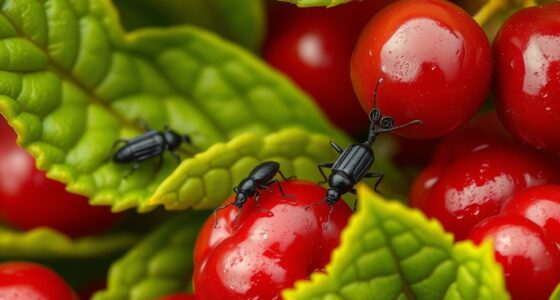
The report says growers should first confirm the pest by examining damaged fruit and comparing symptoms with reliable local guidance. Codling moth larvae can leave entry holes and frass, feed inside fruit and contribute to premature fruit drop. Other insects or disorders can also cause holes, decay or dropping fruit, so the source cautions that identification matters before choosing a response.
For monitoring, it recommends using pheromone traps to track adult flight, installing and servicing them according to product directions and recording catches consistently. Trap counts can be considered alongside a local degree-day model or Cooperative Extension forecast to estimate egg hatch. The report distinguishes these monitoring traps from mating-disruption products, whose performance depends on labeled placement, timing, orchard size, nearby pest populations and a maintained dispenser pattern.
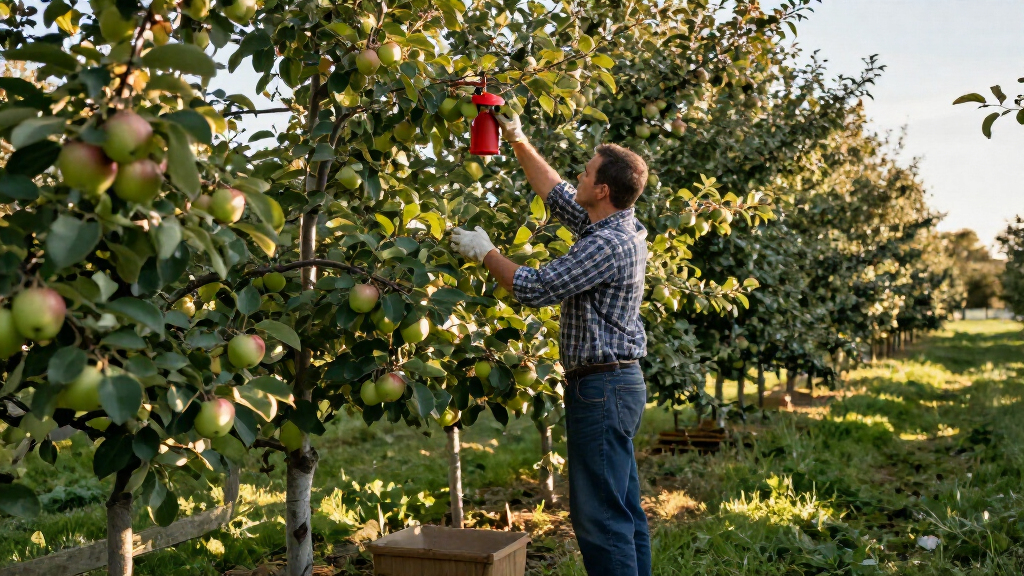
Sanitation and barriers are presented as additional tools, alongside other organic garden pest control products. Growers can collect fallen and infested fruit frequently and manage it so larvae cannot complete development; after harvest, they can remove leftover fruit and reduce sheltered pupation sites where practical, taking care not to damage healthy bark. In small orchards, fruit bags or other barriers may protect individual fruit when applied at the directed crop stage, after thinning and after checking that fruit is not already damaged.
How Timing Shapes Fruit Protection
The guidance emphasizes that timing affects whether a treatment can reach the pest. Once larvae have entered fruit, surface treatments have limited reach. Monitoring and local forecasts can help growers decide whether a treatment is warranted and when to apply it, rather than treating by calendar alone. The source does not provide a universal schedule or promise that any tactic will prevent all damage.
Using several compatible measures can also spread management across the season: traps help indicate adult activity, sanitation removes some sources of larvae, and barriers can shield fruit. That matters especially where the season is long enough for more than one codling moth generation, according to the report. Continued monitoring is advised rather than assuming the first flight is the only risk.
For any biological or insecticidal product, the article says growers must confirm that its label covers the crop and codling moth, then follow directions for rate, timing, intervals, harvest restrictions, resistance management and environmental safety. It also calls for protective equipment, drift and runoff prevention, and pollinator precautions. These steps make the advice conditional on the specific product label and local conditions.
Products Worth Considering

Husqvarna Power Axe 350i 18-Inch Cordless Chainsaw Kit

EGO POWER+ 21 Cordless Electric Lawn Mower Kit, Self-Propelled

Greenworks 40V 16-inch Cordless Push Lawn Mower with 4.0 Ah Battery and Charger
As an affiliate, we earn on qualifying purchases.
A Season-Long Orchard Approach
The report frames codling moth control as integrated pest management: identify the pest, monitor its activity, reduce sources of larvae and use suitable barriers or treatments when justified. This sequence reflects the pest’s movement from adult flight and egg hatch to larvae entering fruit. The guide does not claim that organic management means using no treatments; it discusses biological and insecticidal options while stressing label compliance.
Its recommendations are not a substitute for local pest forecasts or product directions. Degree-day models, timing, orchard scale and surrounding populations can affect decisions, while the article supplies no region-specific thresholds, treatment rates or efficacy comparisons. It also points readers to separate resources on the codling moth life cycle and CpGV biological control, but the supplied report gives no results from those resources.
“Effective management begins before larvae enter fruit and combines several compatible tactics rather than relying on one product.”
— Grow Organic report
Limits of the Available Guidance
The supplied report does not identify a publication date, a specific orchard region, or measured results comparing the recommended tactics. It gives no universal trap threshold, degree-day schedule, treatment rate or expected reduction in fruit damage. Those details depend on local conditions, product labels and the pest’s timing.
It is also not clear from the source which products or formulations are currently registered for every crop and jurisdiction. Growers must check the specific label and local guidance before use. The report describes possible tools and precautions; it does not establish that every tool is suitable or effective in every orchard.
Track Flights Through Harvest
The guide’s next step for growers is to keep records through the season: trap catches, local model dates, fruit damage, sanitation, treatments and harvest outcomes. Monitoring should continue after the first adult flight where the season may support another generation. Any treatment decision should be checked against a local forecast and the product label, including protective equipment, pollinator precautions and harvest restrictions.
The source does not announce a forthcoming study, policy change or scheduled update. It directs readers to additional codling moth and integrated pest management resources; the practical next development for an individual orchard is therefore its own locally informed monitoring and harvest record.
Key Questions
What does the guide recommend first?
Identify the pest before selecting controls. Inspect damaged fruit and compare symptoms with reliable local pest guidance, because other insects and disorders can produce similar signs.
Are pheromone traps a treatment?
The report presents pheromone traps primarily as monitoring tools for adult flight. It distinguishes them from mating-disruption products, which require appropriate labeled placement and timing.
Why does treatment timing matter?
According to the guide, surface treatments have limited reach after larvae enter fruit. Monitoring and local degree-day forecasts can help estimate egg hatch and inform whether and when a labeled treatment is warranted.
Can organic growers use insecticidal or biological products?
The report discusses biological and insecticidal treatments, but says growers must confirm the product label covers the crop and pest and follow all directions, including protective equipment, harvest restrictions and environmental precautions. The supplied material does not list specific approved products.
Does one round of monitoring cover the season?
No. The report says codling moth may have more than one generation in a sufficiently long season and recommends continued monitoring rather than assuming the first flight is the only risk.
Source: groworganic.com